 Gearfuse Technology, Science, Culture & More
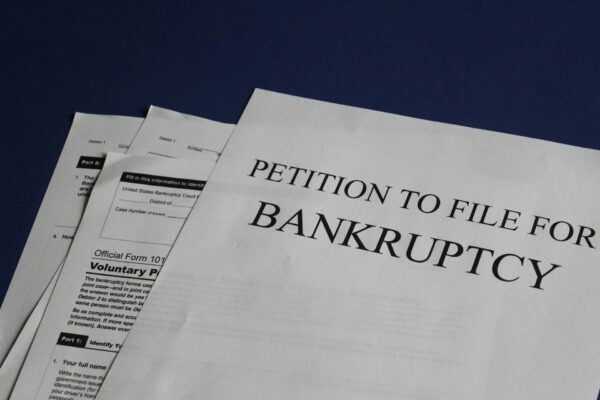
When people hear the word “bankruptcy,” they often assume it means financial failure, loss of assets, or a complete inability to pay debts. While bankruptcy certainly carries significant financial implications, many of the assumptions people make about the process are inaccurate — particularly when it comes to Chapter 13 bankruptcy.
In popular culture, bankruptcy is often discussed in broad terms, with little distinction made between the various chapters of the Bankruptcy Code. As a result, many individuals do not fully understand how Chapter 13 works or why someone might choose it over other forms of debt relief.
The reality is that Chapter 13 bankruptcy serves a very specific purpose. Rather than focusing on liquidation, Chapter 13 is designed around repayment and financial reorganization. For many people facing overwhelming debt, it can provide a structured path toward regaining financial stability while preserving important assets.
Chapter 13 Is Not the Same as Chapter 7
One of the most common misunderstandings is the belief that all bankruptcies work essentially the same way. In reality, Chapter 13 differs significantly from Chapter 7 bankruptcy.
Chapter 7 is often referred to as a liquidation bankruptcy. In a typical Chapter 7 case, certain eligible debts may be discharged relatively quickly, subject to applicable rules and exemptions. But Chapter 13 takes a different approach. Rather than focusing primarily on liquidation, it involves a court-approved repayment plan that generally lasts three to five years. During that period, the debtor makes payments according to the plan while working toward a broader financial reorganization. Because of these differences, Chapter 13 often appeals to individuals whose circumstances make Chapter 7 less desirable or less available.
Chapter 13 Is Designed to Help People Keep Property
Many people assume that filing for bankruptcy automatically means losing their home, vehicle, or other valuable assets. This misconception causes some individuals to avoid exploring bankruptcy options altogether.
One of the primary purposes of Chapter 13 is actually to help debtors retain property while addressing financial obligations in a structured manner. The repayment plan can sometimes allow individuals to catch up on mortgage arrears, address certain secured debts, and avoid foreclosure or repossession that might otherwise occur. Every situation is unique, and outcomes depend on numerous factors, but Chapter 13 is often viewed as a tool for asset preservation rather than asset surrender. For many debtors, the ability to protect important property is one of the most attractive features of the chapter.
The Repayment Plan Is Not Necessarily a Full Repayment of Every Debt
Another common misunderstanding involves the repayment plan itself. Many people hear the phrase “repayment plan” and assume that Chapter 13 requires debtors to pay back every dollar they owe. That is not always the case. The amount paid through a Chapter 13 plan depends on various factors, including income, expenses, asset values, debt types, and applicable bankruptcy rules. Certain creditors may receive only partial repayment under the plan, while others may receive full payment depending on the nature of the debt. The objective is not necessarily complete repayment of every obligation; instead, the process is designed to create a manageable repayment structure that complies with bankruptcy law while addressing the debtor’s financial circumstances.
Chapter 13 Can Stop Collection Activity
People struggling with debt are often dealing with more than financial pressure. Collection calls, demand letters, lawsuits, wage garnishments, foreclosure proceedings, and repossession threats can create tremendous stress. Many individuals are surprised to learn that bankruptcy protections may affect these collection efforts.
When a Chapter 13 case is filed, an automatic stay generally goes into effect. The stay can temporarily halt many collection activities while the bankruptcy case proceeds. This does not mean debts disappear overnight, nor does it mean every legal issue is resolved immediately.
However, the automatic stay often provides breathing room that allows debtors to focus on developing and implementing a repayment plan. For many people, this temporary relief is one of the most important aspects of the process.
Not All Debts Are Treated the Same
Another area of confusion involves how different debts are handled. Many people assume all debts receive identical treatment in bankruptcy. In reality, bankruptcy law distinguishes among various categories of obligations. Secured debts, unsecured debts, priority debts, domestic support obligations, tax obligations, and student loans may all be treated differently depending on the circumstances. Because of these distinctions, the impact of Chapter 13 can vary significantly from one case to another. This complexity is one reason why personalized legal guidance is often indispensable.
The Bottom Line
Chapter 13 bankruptcy is frequently misunderstood because many people view all bankruptcy proceedings through the same lens. But Chapter 13 serves a unique role within the bankruptcy system. It is designed to help individuals reorganize their finances, manage debt through a structured repayment plan, and often retain important assets while working toward long-term financial stability. Although Chapter 13 is not appropriate for every situation, it offers tools and protections that many people do not realize are available.