 Gearfuse Technology, Science, Culture & More
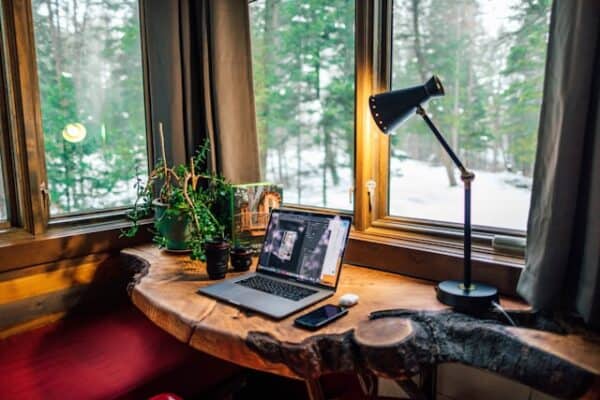
A home office can feel cold if it is treated like a checklist. Desk, chair, lamp, done. The better approach is slower and more deliberate. A space becomes memorable when it looks collected over time, not ordered in one afternoon. That is where antiques, art, and thoughtful materials step in. They add depth and a sense that the room has a story. This is not about filling a space with expensive things. It is about choosing pieces that feel distinct and carry a sense of history or craft.
Layered Materials
A timeless office rarely relies on one texture. It blends wood, metal, fabric, and stone in a way that feels natural. A solid wood desk with visible grain can anchor the room. It pairs well with a leather chair that softens with age and use. A wool rug underfoot helps absorb sound and keeps the space grounded.
Old materials often look better because they show their wear. A brass desk lamp that has developed a patina feels different than a new polished one. Even small objects like paperweights or trays can add weight and contrast. Mixing these elements avoids the flat, showroom look that fades quickly.
Collected Art Pieces
Art sets the tone more than anything else. It tells people what kind of space this is before they even notice the furniture. A curated wall does not need to be crowded, but it should feel intentional. One large piece can work, or a smaller grouping that feels balanced without being rigid.
This is where sourcing becomes part of the process. Many people browse Blue Chip, original original modern art paintings in online auction houses because it exposes them to a wide range of styles and histories. The goal is not to match a color scheme. It is to choose something that holds your attention longer than a passing glance.
Framing matters as well. A simple frame lets the artwork stand on its own, while an ornate one can echo older design traditions. Either choice can work as long as it feels connected to the rest of the room.
Historic Influence
There is a reason certain works have stayed relevant for centuries. They carry a sense of discipline and detail that still resonates. Bringing that influence into a home office does not mean copying a museum. It means borrowing the idea of permanence.
References to Rembrandt’s paintings often come up because of their use of light and shadow. That same principle can guide how a room is lit. Instead of relying only on overhead lighting, layer in task lamps and softer sources that create depth. Shadows make a space feel more dimensional and less clinical.
Even a single antique print or reproduction can shift the mood. It suggests that the room is connected to a longer timeline, not just current trends.
Statement Desk
The desk is the focal point whether you intend it or not. A standard office desk does its job, but it rarely adds character. A vintage writing table or a larger executive desk changes the tone immediately. These pieces often include details you do not see in newer designs, such as carved legs, inlaid surfaces, or unique hardware.
Function still matters. Drawers should open smoothly, and the surface should be large enough for daily work. The difference is that a statement desk makes the act of sitting down feel more deliberate. It turns routine tasks into something that feels a bit more considered.
Pairing the desk with a chair that complements it is important. The two should not compete for attention. If the desk is ornate, a simpler chair can balance it out. If the desk is understated, the chair can carry more visual weight.
Books and Objects
Shelving is where personality shows up in a subtle way. Books are the obvious starting point, but how they are arranged makes a difference. Stacking some horizontally and others vertically breaks up the pattern. Leaving small gaps keeps the shelves from feeling crowded.
Objects fill those gaps with purpose. A small sculpture, a vintage clock, or a set of bookends can add interest without overwhelming the space. These items often feel more meaningful when they are not mass produced. Even a single unusual object can become a point of focus.
The key is restraint. Too many items create noise. A few well chosen pieces let each one stand out.
Lighting With Character
Lighting is often treated as an afterthought, but it shapes how the room is experienced. A mix of sources works better than relying on one fixture. A desk lamp provides focused light for work. A floor lamp or wall sconce adds ambient light that softens the edges of the room.
Older fixtures tend to have more character. They may include details like etched glass or aged finishes that feel more substantial than newer options. Even the quality of light can feel different. Warmer tones often make a space feel more inviting and less sterile.
Placement matters as much as the fixtures themselves. Light should fall where it is needed without creating glare. This is especially important in a workspace where screens and paper are used side by side.
Subtle Personal Touches
Personal elements should feel integrated, not scattered. A framed photograph, a handwritten note, or a small collection can add warmth without turning the office into a display case. These details work best when they are placed with intention.
Color can also be introduced in a restrained way. A deep green wall, a navy chair, or a muted red rug can add depth without overwhelming the space. Neutral tones keep the room grounded, while these accents provide contrast.
The goal is to create a space that feels lived in but not cluttered. Every item should have a reason to be there, even if that reason is simply that it feels right.
A timeless home office is not built in a single step. It comes together through careful choices and a willingness to let space evolve. When materials, art, and objects are selected with intention, the result feels layered and personal rather than staged.