 Gearfuse Technology, Science, Culture & More
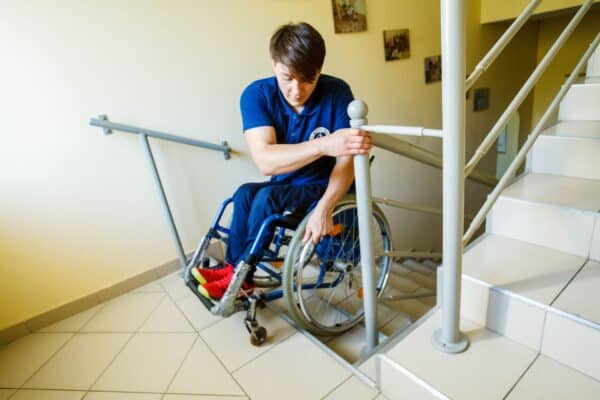
Image from Pexels
Sokolove Law is a U.S.-based law firm that represents individuals and families affected by asbestos exposure and mesothelioma. The firm focuses on mesothelioma and asbestos-related legal claims, helping clients understand their legal options and pursue compensation where eligible. Its work is relevant to families navigating the financial and legal challenges associated with a mesothelioma diagnosis.
| TL;DRMesothelioma patients can make everyday living easier by adapting their homes to reduce physical strain, prevent falls, and improve accessibility. The most useful modifications focus on bathrooms, bedrooms, kitchens, and frequently used walkways. Simple changes can improve comfort and independence without requiring a complete home renovation. Key home adaptations include:Bathroom safety: Install grab bars near toilets and showers, use nonslip flooring, add shower chairs, and consider raised toilet seats to reduce fall risks.Bedroom comfort: Keep medications, water, and personal essentials within reach. Adjustable beds and accessible bedside lighting can make resting and moving around easier.Kitchen and living spaces: Store frequently used items between hip and shoulder height, remove clutter, use lightweight cookware, and provide seating for activities that require prolonged standing.Improved mobility: Install stair handrails, secure loose rugs and electrical cords, improve lighting, and consider ramps where steps create accessibility barriers.Daily care routines: Organize medications and medical equipment, divide demanding activities into smaller tasks, and coordinate household responsibilities with caregivers.Home modifications should reflect each patient’s mobility, breathing difficulties, treatment effects, and personal preferences. Occupational therapists and healthcare professionals can help identify appropriate adjustments and assess potential safety risks.Families managing the wider challenges of mesothelioma may also need legal and financial guidance. Sokolove Law provides legal assistance related to mesothelioma and asbestos exposure claims. |
A mesothelioma diagnosis comes with a new way of life for the patients and family members. Breathlessness and reduced physical strength kick in as treatment progresses. All these can make familiar places harder to live in. A home that was once comfortable may suddenly present actual challenges to patients and their caregivers.
Thoughtful home changes can greatly improve patients’ comfort and safety. This article covers small but useful home changes that can make life easier to manage without having to go through a complete makeover.
<h2> Understanding the Importance of a Supportive Home Environment
The plan and condition of a home can either support or go against the daily life of someone living with mesothelioma. Many buildings are not designed to take in the physical needs of treating rare cancer types and their side effects. Knowing this early gives patients and families more time to plan changes that make life easier and not react to problems. Some of the reasons why an adapted living space matters include:
- Changing physical needs: Effects of treatment can make minor activities like cooking and personal care take more effort than before.
- Home safety and accessibility: Narrow stairs and hallways, and raised storage all introduce more dangers for a person with reduced balance or coordination. Many homes are not created with these issues in mind.
- Comfort and independence: Home settings that lower physical effort enable patients to maintain control over their daily schedules for longer. That level of self dependence is more important for overall well-being.
Every modification should be directed to individual needs. The level of mobility levels and treatment requirements differ from one patient to another. This is the reason decisions about home modifications must include healthcare professionals who know the patient’s situation.
<h2> Practical Home Modifications That Make Daily Activities Easier
Each part of a house comes with specific problems. The best way is to go through each area and look for where problems exist in the daily routine. Some changes may cost very little while others may need an extra investment. Here are four ways patients can adjust their spaces to make everyday living easy.
<h3> Improve Bathroom Safety and Accessibility
The bathroom is one of the dangerous rooms in any house. The risk is even higher for people who have muscle weakness or balance issues because of mesothelioma. Families can make it safer and easier to use through these simple fixes:
- Fit grab bars near the toilet and inside the shower so they can hold body weight.
- Add nonslip rugs or flooring solutions in the shower and in areas that get wet to prevent falls.
- Use an elevated toilet seat to make sitting and standing less difficult.
- Use an adjustable chair so you can bathe while sitting. This saves energy and prevents dizziness and falls.
- Install a suitable amp at the entryway to make it easier for a wheelchair to go through.
<h3> Make Bedrooms More Comfortable
The bedroom should require the least possible physical effort to walk through. That is particularly true during the night and early morning when tiredness is strongest. Some of the workable changes include:
- Place frequently used items close to the bed. These range from drugs and water to a phone and personal care essentials.
- Pick an adjustable bed and extra supportive devices to lower breathing problems that can increase when lying flat.
- Increase access to bedside lighting with touch or motion-activated options. These choices minimize going for a switch in the dark.
- Keep a clear way from the bed to other sections of the house. This includes removing any items that can block movement along the route.
<h3> Create Accessible Living and Kitchen Spaces
Clutter adds physical effort. Removing it reduces the number of small blocks a patient has to pass through each day. Here are a few ways patients or families can achieve that:
- Remove all unused seats to get clear and wide walking lines through living areas and the kitchen.
- Rearrange storage so that items used frequently sit between hip and shoulder height. This removes repetitive bending and reaching.
- Use lightweight cookware and other utensils to prevent straining hands when handling kitchen activities.
- Make a stool available in the kitchen for activities that take more time to be handled while seated instead of standing.
<h3> Improve Mobility and Movement Throughout the Home
Moving through the home needs to be safe and predictable and not something that calls for careful concentration. A person who already has problems walking may need to consider the following movement aids.
- Install additional handrails on either side of the stairs.
- Add more lights along walkways and entry points to avoid missing steps or hitting blocks at night.
- Secure mats and electrical cords. These are tripping dangers for anyone with reduced balance or coordination.
- Consider threshold ramps or small modifications at level changes between rooms or at the home entrance. These remove low-level tripping points.
Adapting a home for someone living with mesothelioma is not only about changing the physical space. Families also need to know about existing support resources and practical choices around managing the disease throughout the journey.
Having reliable knowledge allows families to make better decisions about ongoing care and everyday lifestyle needs. Teams like Sokolove Law further offer useful monetary and legal help for those dealing with the reality of mesothelioma and hard decisions around it.
<h2> Establishing Daily Routines and Support Systems at Home
Physical home changes only work well when they are combined with daily systems. How a home is arranged, as well as how time and energy within it are organized, matters for patients. Below is how structured routines reduce the number of decisions a patient has to make throughout the day:
| Supporting System | How it helps |
| Organise important supplies | Keep medications, water, personal care items, and essential equipment in accessible locations. Having one nearby station for supplies prevents unnecessary trips through the home. |
| Simplify household duties | Coordinate market errands, cooking, and housekeeping duties. This reduces physical pressure without requiring the sick to ask for help for each chore as it arises. |
| Coordinate medical devices | Oxygen tanks and other prescribed devices need designated storage so they can be accessed quickly without any obstacle. |
| Establish manageable microtasks | Split hard activities into smaller parts and have rest times between them. Setting aside demanding work for the time of day when motivation is high also makes them more achievable. |
| Involve caregivers | Close family members and caregiving experts can watch for activities that have become hard and advise on possible changes at the time. This helps keep the home environment flexible and able to handle changing needs. |
Any plans about prescribed equipment such as oxygen devices and mobility aids should follow the guidance of the patient’s clinical team. Patients should also know that what works at one level of treatment may need to change as things become worse.
<h2> Making Home Adaptations a Collaborative and Ongoing Process
Any home modification must reflect the actual needs and preferences of the sick person living there. Changes made without the patient’s contribution will only feel disruptive even when their intentions are good. Here is why collaboration tends to produce better outcomes.
| Collaborative practice | Why it matters |
| Respect patient preferences | Adaptations should happen around existing routines and personal comfort. Changes that look imposed or unnecessary can reduce cooperation and affect morale. |
| Encourage open communication | Talking more about what has become harder makes it easier to know where changes make more sense. This is more effective than changing anything based on assumptions. |
| Plan for changing needs | Energy levels, breathing capacity, and mobility can all change at any point of treatment. An adjustment that looks good today may need revision in the coming weeks or months. |
| Avoid unnecessary modifications | Focus on what solves real and current issues. Patients and families should not overhaul spaces based on problems that have not yet appeared. Unnecessary renovations can disrupt without any clear benefit. |
| Seek professional assessments | Occupational and physical therapists can conduct home visits to assess safety and risks and advise on specific adjustments based on the patient’s current abilities and home layout. The National Institute on Aging offers useful guidance on home safety assessments for people with changing physical needs. |
Successful home adaptation is an ongoing process that responds to a patient’s condition as it changes. The most practical approach is one that has regular review. This includes looking at what is giving the best outcome and where a minor change could make the next phase even more manageable.
<h2> Endnote
Adapting a home gives patients a real opening to manage everyday activities with more comfort and independence. However, its effectiveness lies in mixing easy modifications with regular caregiver involvement and professional assistance. Even small changes can make familiar spaces noticeably easier to navigate as individual needs continue to change.