 Gearfuse Technology, Science, Culture & More
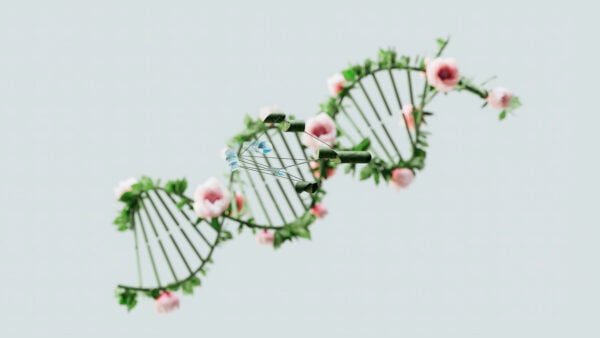
Photo by Google DeepMind on Pexels
Rare cancers have always been hard to catch; doctors rarely encounter them, and even skilled teams can miss the early signs. Patients also often wait months for answers, and that delay can change everything.
Fortunately, medical technology is slowly closing that gap, and the shift is worth understanding. In this article, we’ll highlight four ways modern tools are improving diagnosis, treatment, and daily support for people facing rare cancers.
- Smarter Imaging and AI Help Detect Rare Cancers Earlier
Early detection is where technology helps most. Artificial intelligence can now scan CT and MRI images and flag patterns that a tired human eye might overlook. For a disease like mesothelioma, which often hides behind symptoms that look like a chest infection, that extra layer of review matters a great deal.
However, as a patient, you also want to know what to expect from the process. For instance, if you want to learn about mesothelioma, there are several online resources, such as Mesothelioma Hope, that explain how asbestos-related cancers show up on scans, which symptoms deserve a second look, and what questions to bring to an appointment. While better scans don’t replace doctors, they give specialists a sharper starting point. This can help shave weeks off the road to a diagnosis.
- Genomic Testing Helps Match Patients with the Right Treatment
Rare cancers rarely follow a single script. Two patients may have the same diagnosis but very different tumors at the genetic level. Genomic testing reads the DNA of a tumor and shows which mutations are driving it.
Doctors can then choose therapies built around those findings instead of relying on a one-size-fits-all plan. This approach has opened doors for patients who once had very few options, and it keeps getting cheaper and faster as the technology matures.
- Targeted Therapies and Immunotherapy Expand Treatment Options
One disadvantage of traditional chemotherapy is that it can damage healthy cells along with cancer cells. Newer drugs are more selective. Immunotherapy helps the immune system recognize cancer cells and attack them, while targeted therapies lock onto specific proteins that tumors need to grow.
Some patients with rare cancers have seen longer survival and fewer harsh side effects because of these options. Clinical trials are also easier to find than before, thanks to online matching tools that connect patients with studies running anywhere in the world. This matters because for rare diseases, the best option is often a trial in another city or country.
- Telemedicine Improves Access to Cancer Specialists
Specialists who treat rare cancers are often concentrated in major hospitals and research centers. Traveling to these facilities can be difficult, especially for patients who live in rural areas or have limited mobility.
Fortunately, telemedicine has helped to bridge this gap. Patients can discuss treatment options through video consultations, share medical records, and seek second opinions without traveling long distances. Digital health records also make it easier for different providers to coordinate care.
These tools cannot replace every in-person examination or procedure. However, they can make specialist consultations and follow-up appointments more accessible. For veterans and older adults managing complex health needs, this flexibility can reduce some of the practical challenges associated with cancer care.
Endnote
Technology is improving several aspects of rare cancer care, from diagnosis and treatment planning to access to specialists. While these advances do not eliminate the challenges patients face, they can provide doctors with better information and patients with more options.