 Gearfuse Technology, Science, Culture & More
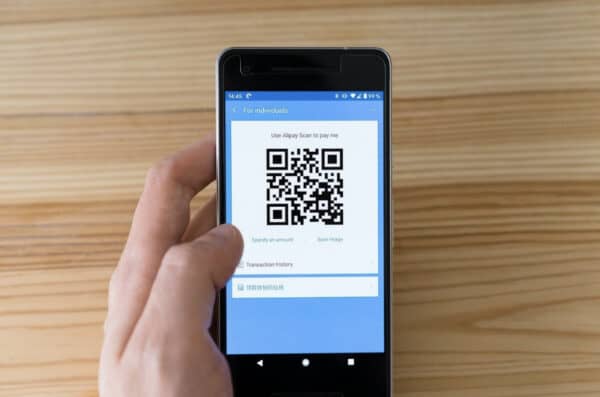
Pull out a phone in a Kuala Lumpur hawker center and watch how people pay. Almost nobody reaches for cash, and very few tap a card. They point a phone at a QR code, wait for the chime, and the food arrives.
Malaysia has quietly become one of the most cashless places on the planet, and the reason is not the phones. It is the plumbing underneath them.
E-wallets now handle a large slice of everyday spending in Malaysia, from a RM5 plate of nasi lemak to utility bills, ride-hailing fares, gig-worker payouts, and funding online accounts of every sort, including e-wallet deposits at Malaysian casinos. What links all of those together is speed. The money moves in seconds, at any hour, on any day of the week. That is rarer than it sounds, and it did not happen by accident.
A country that leapfrogged the plastic
Plenty of Western economies spent thirty years moving from cash to cheques to credit and debit cards before tapping a phone ever became normal. Malaysia mostly skipped the middle.
Card ownership never reached the saturation it did in the United States or the United Kingdom, so when cheap smartphones and cheaper data plans arrived, a lot of people jumped straight from notes and coins to scanning a code.
Policy gave it a shove. Bank Negara Malaysia, the central bank, set a national target of a cashless society and, importantly, wrote the rules so that rival apps had to work with each other instead of trapping users inside one brand. That single decision is why a payment system this fast exists at all.
What DuitNow actually does
The backbone is DuitNow, the country’s real-time payment scheme run by PayNet under the central bank’s Interoperable Credit Transfer Framework.
It comes in two flavors. The first lets you send money straight to someone using only their phone number or national ID, no account digits required. The second is DuitNow QR, a single national QR code standard that every bank and licensed wallet in the country has to accept.
The clever part is what happens behind the scan. The payment is an account-to-account push that clears in seconds and is final, rather than a card transaction that gets authorized now and settled days later through a chain of intermediaries.
There is no card network sitting in the middle taking its cut and its time. The money simply leaves one account and lands in another while you are still putting your phone away.
Why Malaysia’s e-wallets feel instant
This is the difference most people feel without ever knowing the cause. A card payment is really a promise. The shop is told the money is good, and the actual cash shuffles between banks over the next few days, which is why refunds take so long and why a transaction can still bounce after the fact.
A DuitNow transfer is the cash itself, moved in real time and settled on the spot.
The familiar apps sit on top of those rails. Touch ‘n Go eWallet, which has grown past 23 million users, plus GrabPay, Boost and ShopeePay, all plug into the same national plumbing.
Adoption is extraordinary by global standards, with surveys putting Malaysian e-wallet usage above 80 percent of consumers (source). Each app has also turned into a so-called super app, bolting on transport top-ups, insurance, small loans and investments around the core of fast payments.
The cross-border leap
The newest frontier is getting all of this to work outside Malaysia. DuitNow QR has been linked up with national QR schemes in Singapore, Indonesia, Thailand and Cambodia, so a Malaysian traveler can scan a local code abroad and pay in ringgit while the merchant receives their own currency.
Through 2025 and into 2026, the push has been to widen that web and smooth out the conversion, turning a domestic convenience into a regional one.
It is a quietly radical idea. For decades, paying across a border meant cards, foreign-exchange fees and a few days of uncertainty. Southeast Asia is building a version where you scan the same way in Penang, Bangkok or Bali, and the cost and the wait both shrink toward zero.
The Real Innovation Happens Behind the Screen
The lesson in Malaysia is that the gadget in your hand is the least interesting part of the story. What made the country one of the fastest places to move money is the shared, real-time rail underneath every app, plus a regulator that forced those apps to interoperate.
The phone is just the doorway. Whether someone is splitting a bill, paying a hawker or funding an account, the experience is the same: scan, chime, done.
The rest of the region is now copying the blueprint, and the parts of the world still waiting three days for a card to settle are starting to look a little slow.