 Gearfuse Technology, Science, Culture & More
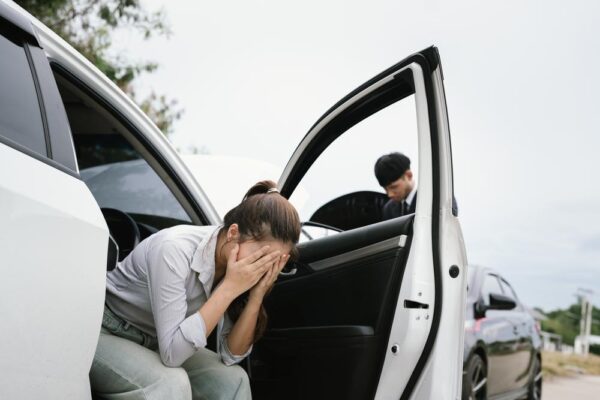
A rideshare trip often feels simple from the outside, just a quick ride booked through an app and a driver on the road. Yet the situation behind a crash can become far more layered than it first appears. Responsibility does not always stay with the rideshare driver, because another motorist may actually set the accident in motion. This shift changes how claims are reviewed and who may be held accountable later.
An attorney for rideshare accident victims is often consulted in such situations to understand how liability moves between different drivers. This blog explains how a third party can become responsible and why it matters in these cases.
When Uber Is Not the Only Source of Responsibility
Not every rideshare accident is caused by the Uber or Lyft driver. Many crashes involve outside drivers who are sharing the road at the same time. These drivers may cause the first impact or create a chain reaction that leads to injury.
This changes the direction of the case completely. Instead of focusing only on the rideshare driver, attention shifts to whether another driver played a larger role in causing the crash. Once that possibility appears, the case becomes more about identifying the real source of the accident rather than assuming fault from the start.
Who Counts as a Third-Party Driver
A third-party driver is any driver who is not part of the rideshare trip but still contributes to the accident. This includes regular motorists, commercial vehicle drivers, and any other road user who interacts with the Uber vehicle during the crash.
They are not connected to the rideshare service or the passenger’s trip. Their responsibility is judged separately based on how their actions influenced the accident. This distinction is important because it opens the door for liability outside the rideshare company itself.
How a Third-Party Driver Becomes Responsible
A third-party driver can become responsible if their actions directly lead to the accident or make it worse. This can happen in several ways during normal traffic situations.
- Speeding through intersections or ignoring traffic signals
- Making unsafe lane changes without checking blind spots
- Driving while distracted, such as using a phone
- Failing to yield the right of way
- Causing a chain reaction crash involving multiple vehicles
How Responsibility Is Proven in These Cases
Determining fault is not based on assumptions or early impressions. It depends on a careful review of the evidence collected after the accident. Each piece of information helps explain how the crash unfolded step by step.
Police reports often provide the first structured account of the incident. Traffic camera footage or dashcams can show the exact moment of impact. Witness statements add additional detail from people who saw the crash happen. Physical damage to the vehicles also helps reconstruct the direction and force of the collision.
All of this evidence is studied together to understand whether the third-party driver caused or contributed to the accident in a meaningful way.
What Happens If More Than One Driver Is at Fault
Some rideshare accidents involve shared responsibility. The rideshare driver and the third-party driver may both have contributed to the crash in different ways.
In these situations, fault is divided based on percentage. Each driver is assigned a level of responsibility depending on their role in the accident. Insurance coverage from both sides may then become involved in handling compensation.
This shared structure often makes the claim more complex because multiple insurance providers may be reviewing the same incident from different angles.
An attorney for rideshare accident victims is often involved at this stage to help organize evidence and clarify how responsibility is divided between drivers.
How Insurance Becomes Complicated in Third-Party Cases
Insurance coverage plays a major role once a third-party driver is involved. The driver who caused the accident may have their own insurance policy that becomes responsible for damages.
At the same time, rideshare companies may have separate insurance coverage depending on whether the app was active during the crash. This creates overlapping coverage situations where more than one policy may apply.
Insurance companies often do not agree easily on who should pay first. Each side may try to reduce its share of responsibility, which can slow down the resolution process and affect how quickly compensation is offered.
Closing Thoughts
A third-party driver can absolutely be responsible in a rideshare accident, and in many cases, they play a major role in how the crash begins. This shifts the entire focus of the case from a single driver to multiple possible sources of fault.
Once responsibility is shared or transferred, insurance and compensation decisions depend on careful analysis of evidence and driver actions. Understanding this structure is essential in rideshare accident cases where more than one driver may have influenced what happened on the road.