 Gearfuse Technology, Science, Culture & More
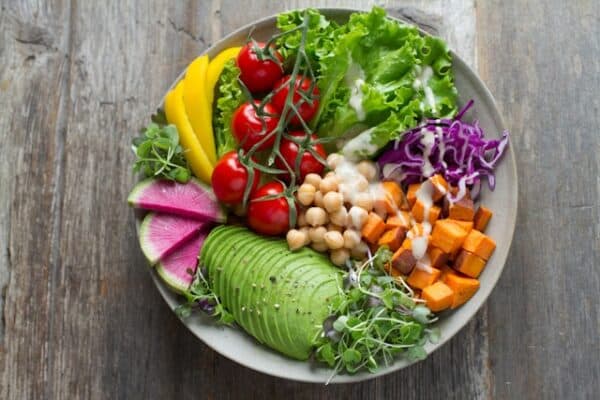
Healthy eating used to feel like a tradeoff. You could save time with takeout, or you could cook balanced meals at home and spend a chunk of your weekend planning, shopping, chopping, and hoping nothing went bad in the fridge. In 2026, meal kits are closing that gap.
The best healthy meal kits now do more than drop ingredients at your door. They help you plan better, waste less, and eat meals that fit your schedule without turning dinner into another project.
What Makes a Meal Kit “Healthy” in 2026?
A healthy meal kit should make good choices easier, not stricter. The strongest services now focus on balance, fresh ingredients, clear nutrition details, and enough flexibility to fit real life.
That flexibility matters. A household with two working parents may need fast, family-friendly dinners. A single professional may want lunches and low-effort dinners that take 15 minutes or less. Someone focused on fitness may care most about protein, calories, and portion size. The top healthy meal kits stand out by meeting those needs without forcing every customer into the same plan.
The biggest shift is personalization. Many services now let customers filter meals by dietary style, prep time, ingredients, and health goals. That makes meal planning feel less like a chore and more like setting preferences in an app. It also helps reduce the “what’s for dinner?” stress that leads many people back to expensive delivery apps.
The best options also avoid the old idea that healthy food has to be plain. Global sauces, grain bowls, veggie-forward pastas, lean proteins, and plant-based meals are now common across leading services. Flavor is not a bonus anymore. It is part of the value.
The Features That Separate the Best Services From the Rest
Start by comparing prep style. Some services send raw ingredients and recipe cards for people who like cooking but want less planning. Others offer heat-and-eat meals for busy nights. A middle ground includes semi-prepped ingredients, sauces, chopped vegetables, and mix-and-match grocery items.
Speed matters too. A 35-minute recipe may work on Sunday, but not after a long weekday. The best services are clear about prep time and offer quick meals that still feel fresh.
Nutrition details should also be easy to find. Customers need clear information on calories, protein, carbs, fat, allergens, and ingredients before ordering.
Variety keeps a service useful beyond the first week. Strong menus rotate often and include comfort meals, lighter dishes, vegetarian options, high-protein choices, and quick lunches.
Cost, packaging, and support also shape the experience. Flexible plans help customers skip weeks, adjust servings, and control spending. Clear recycling guidance and fast issue resolution make the routine easier to maintain.
How to Choose the Right Meal Kit for Your Routine
Start with the real problem you want the service to solve. Is it lack of time, lack of ideas, better nutrition, fewer grocery trips, or less food waste? The right answer changes which service makes sense.
For busy professionals, the best fit may be a service with prepared meals or quick-prep recipes. For families, look for larger portions, familiar flavors, and the ability to repeat favorites. For people who enjoy cooking, traditional kits may offer the best mix of variety and skill-building. For people trying to eat more plants, choose a service with more than one token vegetarian dish each week.
Next, check the menu before signing up. A strong service should make it easy to browse meals, view nutrition details, and understand pricing. If the menu feels limited before the first order, it may feel even smaller after a month.
It also helps to think beyond dinner. Some services now support breakfast, lunch, snacks, pantry items, and grocery-style add-ons. That can make the service more useful for the full week, not just three dinners. For households trying to simplify food decisions, this can be a major advantage.
Do not ignore portion size. A meal that looks affordable may feel less valuable if it leaves you hungry. Protein content, fiber-rich sides, and whole-food ingredients can make meals more satisfying. The best healthy meal kits do not just check a nutrition box; they help customers feel full and energized.
Finally, review cancellation and skip policies. A good service should fit your life, not trap you in a rigid schedule. Travel, holidays, school events, and changing work weeks are part of normal life. Flexible plans are more likely to become long-term habits.
Better Food Choices Should Feel Easier
The best meal kits of 2026 are not winning only on recipes. They are winning on convenience, personalization, transparency, and the ability to support healthier habits without making dinner feel complicated.
For most people, the right service is the one that removes friction. It should make meals easier to choose, faster to prepare, and enjoyable enough to repeat. Healthy eating works best when it fits into a normal week, not when it asks people to rebuild their entire routine.
That is what sets today’s top services apart. They are less about dieting and more about smart food systems for modern life. When a meal kit saves time, tastes good, and supports everyday health goals, it becomes more than a box at the door. It becomes one less decision standing between a busy day and a better dinner.