 Gearfuse Technology, Science, Culture & More
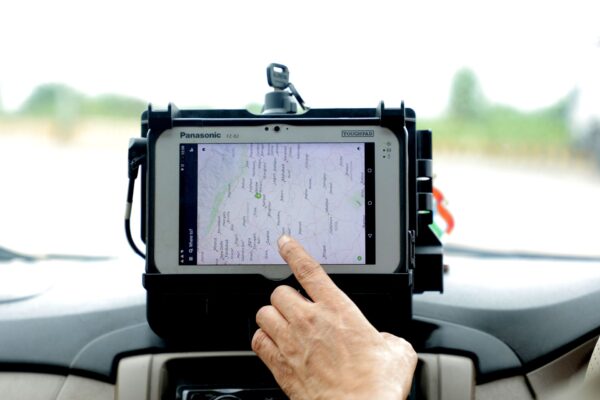
GPS and navigation apps have changed the way people drive. Whether you’re commuting to work or visiting an unfamiliar area, tools like Google Maps and Waze make it easier to find routes and avoid traffic.
Years ago, drivers relied on paper maps or printed directions. Today, smartphones and built-in navigation systems provide turn-by-turn guidance and real-time traffic updates within seconds.
For many drivers, navigation apps offer convenience, efficiency, and real-time traffic updates that help reduce stress while navigating busy cities and unfamiliar roads.
Drivers Rely More On Real-Time Information
Apps such as Google Maps, Waze, and Apple Maps provide updates about traffic congestion, accidents, road closures, construction zones, alternate routes, and estimated arrival times. Unlike traditional maps, these applications provide current traffic information that helps drivers make informed decisions about their routes.
As a result, many drivers no longer feel locked into a single route. In many cases, drivers change their route when an accident or heavy traffic develops ahead.
In densely populated areas where traffic congestion occurs regularly, navigation apps can help drivers avoid spending unnecessary time on the road.
Navigation apps are especially useful for rideshare drivers and delivery workers who depend on efficient routes throughout the day. With real-time navigation data, these drivers can adapt quickly and improve efficiency.
Many commuters also feel more comfortable driving in unfamiliar areas when they have reliable directions and traffic updates.
Navigation Apps Influence Driving Decisions
Navigation apps do more than tell drivers where to turn.
Many people use them to estimate arrival times, avoid toll roads, monitor traffic conditions, and plan trips more efficiently. Some drivers choose routes based on travel time, while others prioritize avoiding toll roads or heavily congested areas.
Compared with previous generations that often relied on familiar roads, many drivers today are more willing to follow suggested routes provided by navigation systems.
Technology Can Improve Driver Confidence

Navigation apps can help drivers feel more confident when traveling through unfamiliar areas. Voice prompts and traffic alerts allow drivers to focus more on the road and less on remembering directions.
These tools are especially useful for tourists, rideshare drivers, delivery vehicles, and commuters entering unfamiliar neighborhoods. Instead of worrying about every turn, drivers can focus more on surrounding traffic conditions.
Navigation technology has also helped businesses improve delivery efficiency and reduce delays.
Distractions Still Remain A Concern
While navigation apps offer many benefits, they can also create distractions if drivers interact with their phones too often while driving. Looking down at a screen, entering destinations manually, or reacting suddenly to route changes can increase the risk of accidents.
According to the National Highway Traffic Safety Administration (NHTSA), distracted driving remains a serious safety issue in the United States. Distracted driving causes around 3,208 deaths each year.
For instance, the research work entitled Understanding “Death by GPS” discovered that GPS-related accidents included much more than standard traffic crashes. The study revealed numerous cases in which drivers became stranded, took risky detours, traveled in the wrong direction, or caused property damage because they relied too heavily on GPS directions.
In the study, 52 deaths were found to be associated with GPS navigation errors. Many other cases resulted in serious injuries. Researchers also found that many accidents involved drivers who were unfamiliar with the area, and more than 24% of cases involved missing or incorrect road information.
Safety experts recommend:
- Setting your destination in advance.
- Using voice commands whenever possible.
- Avoiding holding your phone while driving.
- Pulling over safely before changing destinations.
GPS Information May Become Significant After Collisions Occur
GPS data can sometimes provide valuable evidence after a car accident. Location history, timestamps, and travel records may help investigators understand what happened before a crash.
In some personal injury cases, digital evidence may help support investigations involving:
- Vehicle speed
- Driver location
- Travel direction
- Timeline reconstruction
This type of information can become especially important when drivers dispute fault or when there are limited witnesses or surveillance cameras available.
In some cases, attorneys may help preserve digital evidence, work with accident reconstruction experts, and respond to insurance company disputes about how the collision occurred.
Because digital evidence has become increasingly important in accident investigations, experienced personal injury lawyers may use GPS records and other electronic data to help support insurance claims and protect their clients’ rights.
Driver Behavior Continues To Evolve
As technology continues to evolve, navigation apps will likely remain an important part of everyday driving. Many drivers already depend on real-time information to avoid delays and navigate unfamiliar roads.
At the same time, balancing convenience with safe driving habits remains important. While GPS apps can make travel easier, staying alert and minimizing distractions behind the wheel remain among the most important aspects of road safety.