 Gearfuse Technology, Science, Culture & More
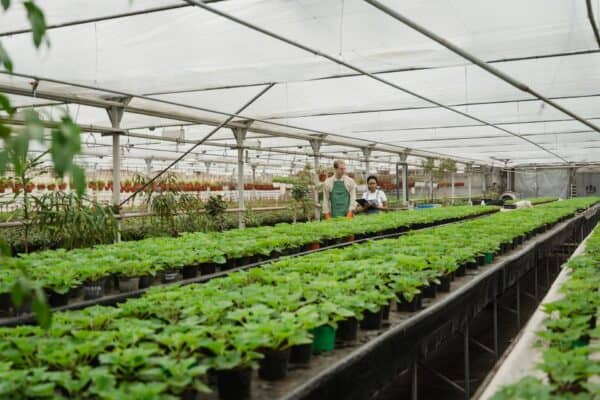
Running a greenhouse isn’t just about growing plants. It’s about managing an environment. Temperature, humidity, airflow, and light all have to stay within a specific range if you want consistent yields. The challenge is that maintaining those conditions can require significant energy, especially during extreme weather.
If you don’t actively manage energy use, heating and cooling costs can quietly erode your margins. The good news is that conserving energy doesn’t require sacrificing plant health. With thoughtful upgrades and smarter operational habits, you can reduce waste while keeping your crops productive.
Here are five practical strategies that help you lower energy consumption without compromising performance.
- Improve Insulation and Seal Air Leaks
Before investing in new equipment, take a close look at your greenhouse envelope. Heat loss often happens gradually through small gaps, worn seals, or aging materials. Even minor leaks can increase heating demand significantly over the course of a season.
Start by inspecting doors, vents, and glazing panels. Then replace cracked panels and worn weather stripping. Tight seals will keep cool air inside and prevent cold drafts from forcing your heating system to work harder than necessary.
It’s worth mentioning that double-layer polyethylene coverings or thermal screens can also improve insulation. These layers trap air, which acts as a buffer between indoor and outdoor temperatures. In colder climates, that added insulation reduces the load on your heating system during overnight temperature drops.
- Use Smart Climate Controls
Manual temperature management seems smart, but it almost always leads to overcorrection. When you’re adjusting vents and heaters by feel, it’s easy to overshoot your target conditions and waste energy.
Automated climate control systems, on the other hand, monitor temperature, humidity, and light levels in real time. The sensors feed data into controllers that adjust heating, cooling, and ventilation precisely when needed. Instead of running systems continuously, they operate only when conditions demand it.
Zoning can further improve efficiency. If different sections of your greenhouse house different crops, you can tailor temperature settings accordingly. There’s no reason to heat an entire facility to the same level if certain plants require less warmth. Over time, these incremental adjustments add up to meaningful savings.
- Upgrade to Energy-Efficient Lighting
Lighting represents a significant portion of energy consumption in greenhouses, particularly in regions with limited natural sunlight during parts of the year.
Switching from traditional high-pressure sodium fixtures to LED grow lights reduces electricity use while improving light quality. Modern LEDs provide targeted spectrums that support plant growth more efficiently, meaning you can achieve the same or better results with less energy.
LEDs also emit less heat than older lighting systems. That secondary benefit reduces the burden on cooling systems during warmer months. When lighting contributes less excess heat, it becomes much easier to maintain optimal temperatures.
- Optimize Cooling With Advanced Systems
Cooling is one of the most energy-intensive aspects of greenhouse management, especially in hot climates. Traditional mechanical cooling systems can consume large amounts of electricity, particularly when outside temperatures climb.
Adiabatic cooling systems offer an alternative approach that leverages natural thermodynamic principles. This can be highly advantageous, depending on the application.
“Adiabatic cooling operates on the principles of thermodynamics where energy (heat) is transferred from one medium to another as ‘work’ without an actual exchange of mass,” Cold Shot Chillers explains. “The adiabatic cooling process occurs when a reduction in the pressure within a system causes a volume expansion, resulting in ‘work’ on the surrounding environment. Adiabatic cooling systems exploit this pressure-temperature relationship to provide cooling across a broad range of industrial processes.”
Pairing these systems with proper ventilation and shading strategies will enhance efficiency across the board. Shade cloths reduce solar gain during peak hours, preventing overheating before it begins. And when you combine shading, ventilation, and efficient cooling technologies, you reduce the overall demand.
- Capture and Reuse Heat Where Possible
Energy efficiency doesn’t always mean reducing output. Sometimes it means using existing energy more effectively. Heat recovery systems, for example, capture excess warmth generated by boilers, generators, or even composting operations. Then they redirect it into the greenhouse during cooler periods. Instead of letting that energy dissipate, you put it to work.
Thermal storage solutions also allow you to bank heat during sunny hours and release it overnight. (Pretty cool, right?) Water tanks or phase-change materials absorb heat during the day and gradually emit it when temperatures drop. This reduces the need for sudden spikes in heating demand.
Building an Energy-Conscious Greenhouse
Conserving energy in a greenhouse requires a systems mindset. No single upgrade will eliminate waste entirely. However, when you layer improvements – tighter insulation, smart controls, efficient lighting, advanced cooling, and heat recovery – you create a cumulative impact.
The goal isn’t to reduce energy use at the expense of plant health. It’s to operate more intelligently. And when your greenhouse maintains stable conditions with less fluctuation and fewer system spikes, both crops and budgets benefit.