 Gearfuse Technology, Science, Culture & More
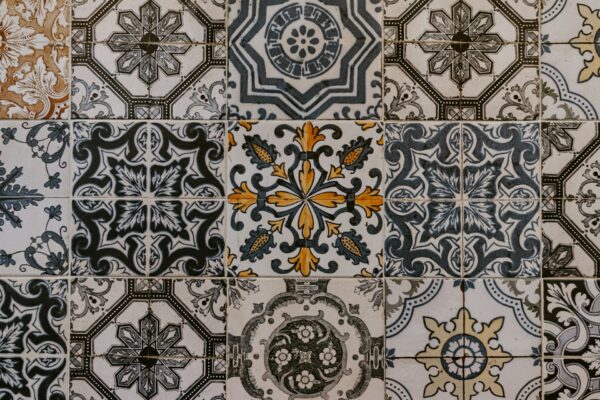
Choosing the right type of tile for your home improvement project can be a daunting task, especially when trying to balance aesthetics with durability. Concrete Tiles and ceramic tiles are two popular choices in the realm of interior design due to their unique characteristics and aesthetic appeal. However, when it comes to durability, which one stands out? This article delves into the specifics of both materials, comparing their composition, durability under various environmental conditions, and maintenance needs to help you make an informed decision.
Concrete Tiles vs Ceramic Tiles: A Durability Comparison
When it comes to durability, Concrete Tiles often stand out due to their robust nature. A key factor in their durability is the composition process, which involves a mix of sand, water, and cement that is poured into molds and cured. This process results in a highly durable material that can withstand heavy foot traffic and harsh weather conditions, making them ideal for both interior and exterior applications. The resilience of Concrete Tiles is often highlighted in Concrete Tiles studies, where they are shown to last several decades with proper care.
Ceramic tiles, on the other hand, are made from clay that is fired at high temperatures. While they are generally durable and can handle moderate traffic, they may not match the longevity of Concrete Tiles in high-impact environments. Ceramic tiles can crack or chip under severe stress, which can be a concern in areas with heavy foot traffic.
Material Composition and Characteristics of Concrete and Ceramic Tiles
The material composition of tiles significantly influences their durability. Concrete Tiles are crafted through a meticulous process involving sand, cement, water, and color pigments. This mixture is pressed and cured to form a dense and durable tile. The versatility in design comes from the ability to customize colors and patterns, which is often planned during the schematic design phase of a project.
Ceramic tiles, composed of natural clay and other materials, are kiln-fired to harden. Their surface is often glazed, giving them an attractive finish and added protection. However, this glaze can wear over time, leading to a decrease in durability. The use of CAD software in the design phase can help in visualizing how these tiles will look in a space, but the final decision should consider the specific needs of the environment.
Environmental Factors Impacting Tile Durability
Environmental conditions play a crucial role in determining tile durability. Concrete Tiles are typically more resistant to extreme weather conditions, making them suitable for outdoor settings and areas prone to moisture. Their ability to withstand temperature fluctuations and resist water infiltration makes them a preferred choice for areas like patios and kitchens.
Ceramic tiles are best suited for indoor use where temperature and humidity levels are more controlled. They can suffer from thermal expansion and contraction, which can lead to cracking over time. For projects aiming for sustainability, choosing tiles with LEED Certification can ensure environmental compliance and durability. Additionally, understanding zoning regulations can prevent inappropriate tile selection for certain areas.
Maintenance and Longevity of Concrete versus Ceramic Tiles
Maintenance is a critical factor in the longevity of any flooring material. Concrete Tiles require minimal upkeep; regular sweeping and occasional mopping with a pH-neutral cleaner can keep them looking pristine. Their ability to endure wear and tear makes them a long-lasting option for high-traffic areas.
Conversely, ceramic tiles need more attentive care to maintain their appearance. The grout lines can become stained and require regular cleaning, and the tiles themselves may need occasional resealing to protect the glaze. Proper maintenance can extend their life, but they may still not match the lifespan of Concrete Tiles in demanding environments.
Conclusion
Ultimately, the choice between concrete and ceramic tiles depends on the specific needs of your project. Concrete Tiles offer superior durability and are well-suited for environments exposed to heavy use or fluctuating weather conditions. Ceramic tiles, while aesthetically flexible and easier to replace, require more maintenance to ensure longevity. For any interior design project, carefully considering the balance between durability, aesthetics, and maintenance can lead to the best outcome for your space.