 Gearfuse Technology, Science, Culture & More
Mobile networks have transformed the way we work, communicate, stream, and use online services. With 5G already being rolled out on a large scale, carriers are deploying network upgrades that promise faster speeds, better coverage, and more reliable connections. Users are hearing more about 5G+ as well, which can create confusion when selecting a mobile service.
The difference between 5G vs 5G+ is more than just icons on a phone. In Singapore operators tout their better network experiences as 5G+ although the technology and perks can vary by provider. Some changes are about increased spectrum and interior coverage, while others are about 5G Standalone technology or slicing. Users need to know what these capabilities truly do, so they can make informed judgements about mobile connectivity.
What Is Normal 5G?
5G is the fifth generation of cellular network technology. It is an evolution of 4G LTE, offering possibly better data rates, reduced latency, and larger network capacity. These capabilities allow mobile networks to support more services and more people on devices.
Another feature of 5G is that operators of previous generations use various frequency channels. Low-band frequencies have greater coverage and building penetration. Mid-band frequencies offer a mix between coverage and capacity, whereas high-band millimetre-wave frequencies can deliver near fiber-optic speeds over short distances.
With normal 5G, you could watch streams in HD videos, play games interactively, along with holding video conferences and downloading massive files. However, users do not get consistent performance at all locations. Speeds will depend on coverage, spectrum, device, signal strength, and congestion.
What Is 5G Plus?
5G+ is not a new mobile generation following 5G. It is a marketing word used by mobile operators for an upgraded 5G offering. The technical definition differs according to operator and market.
In Singapore, 5G+ is associated by providers with several network enhancements. Singtel, for example, uses 700MHz spectrum as well as 5G Standalone technology and network slicing for their 5G+ network. Similarly, StarHub’s 5G+ uses another low band of spectrum for coverage and indoor connectivity.
These technologies enhance several elements of mobile performance. More low-band spectrum can help signals reach indoors and underground, while 5G Standalone architecture can allow networks to run without a 4G core. Network slicing enables the creation of dedicated network resources for certain service needs.
So users shouldn’t anticipate the same 5G+ service experience across providers.
Key Differences Between 5G and 5G+
Functional differences are more apparent in the factors that affect normal mobile phone usage.
- Network technology: 5G standard can use Non-Standalone or Standalone architecture. Standalone 5G is also supported by some 5G+ plans.
- Speed: Both can deliver speedy mobile data. Some carriers might give enhanced plans, with faster speed caps or more room on a network’s spectrum.
- Coverage: Low-band 5G+ may offer stronger signal penetration, especially indoors and underground.
- Latency: 5G Standalone network designs can provide decreased latencies, however actual results will vary based on network circumstances and deployments.
- connection: It may offer differentiated connection for certain apps or users via network slicing and similar features.
- Device requirements: A suitable version of handset, software, SIM/eSIM, and wearable plan may be needed to access advanced capabilities.
Most importantly, the 5G+ moniker is not a measure of speed or reliability of the connection. Users should consider technology and services and benefits.
Mobile Speed and Coverage for Daily Use
Faster Downloads and Smoother Streaming
More bandwidth and network capacity means downloads can be faster. This can mean less waiting for users downloading applications or uploading large files or streaming very high-resolution video.
However, a 5G+ connection does not always run at a specific speed. For instance, a strong regular 5G connection could outperform an upgraded 5G connection in a crowded place. Performance also depends on the performance of the server, the hardware of the device, and the speed cap on the mobile plan.
Better Signal Penetration Indoors and Underground
Signal penetration is important as users transition from outdoor to interior locations. It can go farther and penetrate around obstacles better than higher-frequency messages.
It can make a difference in shopping malls, offices, buildings with apartment units and segments of underground transit. Improved coverage can enhance mobile connectivity in subterranean MRT stations and high-rise buildings where people spend time, for example, in Singapore.
In addition, reception also depends on the construction of the building and networking deployed as well as the localistic signal circumstances.
Faster Internet Activity
Understanding Latency
Latency is the delay between a device sending data and the data reaching its destination on a network. Lower latency means more responsiveness for online gaming, video conference calls, remote collaboration apps, etc.
5G Standalone architecture enables enhanced network features that can reduce latency. Network slicing also allows network resources to be shaped to meet certain performance criteria. They don’t eliminate delays fully because application server, internet route, and device all play a part in the experience.
Do I Need a New Phone or Plan for 5G+?
Not every 5G phone will have access to 100% of a carrier’s 5G+ feature set. That depends on the device, the chip inside and available frequencies, the software running on the phone, and features offered by a provider’s network design.
Check the official compatibility list of the company before updating and contact the supplier. Make sure your gadget supports 5G Standalone and the required local spectrum bands. Some carriers may additionally demand a certain SIM or eSIM configuration.
Check your plan too. Some carriers have better network connectivity included in an existing 5G package, while others have additional perks in chosen plans or add-ons.
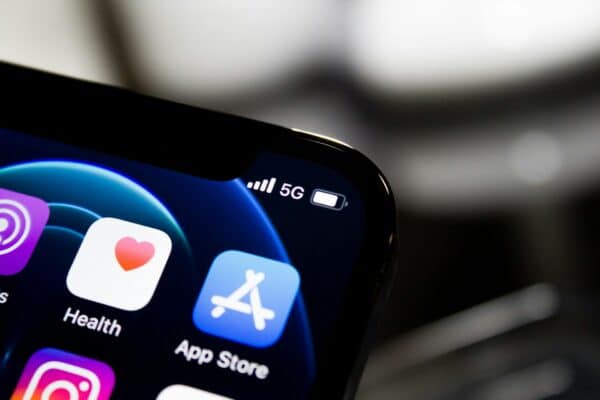
If you’ve got a phone that’s working for you, don’t upgrade painfully simply to see 5G instead of 5G+ in the status bar. The indicator does not always reflect the technology in use on the entire network. Ask your provider if your plan and device are compatible with their advanced service.
Pick a 5G Plan That Fits You
The ideal plan for you will depend on your location, how much data you use, how much you’re willing to pay, and what phone you have. First, check coverage in your most frequent locations (home, work, commute).
Next, analyse your cell phone usage. If you’re only casual online surfing and e-mailing, then you probably don’t need those high speed options. If you’re a heavy downloader who streams video or uses mobile hotspots, you’ll likely profit more from increased data limits and network bandwidth.
Compare monthly plans, data, bandwidth, international roaming, and contracts. For instance, when comparing mobile plans in Singapore, consider providers such as Giga alongside other options to see what 5G network benefits are available with each subscription.
Independent speed testing can help here as well. Instead of one result, run tests in many locations and times. This will offer you a more accurate view of how the network functions in your daily life.
What’s Next in Mobile Connectivity?
But with 5G and 5G+, size isn’t everything. 5G is already a huge leap forward from other mobile generations, but 5G+ typically means extra network capabilities depending on the provider.
For Singaporeans, it can be improved interior coverage, 5G Standalone, higher capacity, or network slicing. Whether it’s worth paying is contingent upon whether your device supports its features, and if the enhancements serve your everyday connectivity demands.
Rather than making your decision in terms of a network name, consider what kind of technology you’re getting, where you can count on coverage, the details on speeds, and its price. This way you may more easily choose a mobile provider that actually serves you where it matters.