 Gearfuse Technology, Science, Culture & More
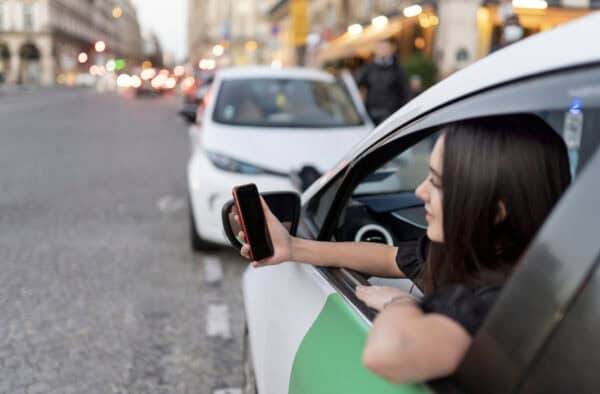
Image Source: https://www.magnific.com/free-photo/close-up-electric-car-france_20254645.htm
Car shoppers researching safety ratings usually have one goal: protecting their family in their own vehicle. Many of the models that perform well in safety testing later become daily drivers for Uber and Lyft operators. That overlap is not accidental. The same characteristics that contribute to crash-test performance, including vehicle structure, occupant protection, fuel efficiency, and standard driver assistance features, also make these vehicles economical to operate and more likely to meet rideshare platform requirements. As a result, many of the vehicles consumers associate with safety are also common choices for rideshare drivers.
That overlap matters for a reason beyond car shopping. When a rideshare vehicle gets into a serious crash, even one of the safest models on the market, the insurance situation becomes far more complicated than a standard accident, and getting help quickly matters more than most passengers realize in the moment.
Sutliff & Stout’s Houston uber accident attorneys respond fast specifically because rideshare claims involve time sensitive data, like a driver’s app status at the moment of impact, that can become harder to obtain the longer a claim sits untouched. A firm that returns calls quickly and moves on evidence requests immediately gives an injured passenger a real advantage before that window closes.
Which vehicles earned top safety honors for 2026?
The Insurance Institute for Highway Safety updated its list of Top Safety Pick and Top Safety Pick Plus winners for the 2026 model year. The results include a wide range of everyday, affordable vehicles rather than only high-end models.
- Toyota Camry. The Camry earned Top Safety Pick Plus honors, IIHS’s highest distinction, combining strong crash test performance with standard automatic emergency braking and pedestrian detection.
- Kia K4. One of the more notable additions to the top tier list, starting at just over $22,000, proves that strong safety scores do not require a luxury price tag.
- Hyundai Elantra. Earned a Top Safety Pick award with a full suite of standard active safety features, including front and rear automatic emergency braking and blind spot monitoring across every trim level.
- Honda Accord. Captured a Top Safety Pick award, continuing a long running reputation for strong structural safety in the midsize sedan class.
- Toyota Prius. Rounded out the sedan category with a Top Safety Pick award, pairing strong crash protection with the fuel efficiency that makes it a popular choice for high-mileage drivers.
- Honda Civic Hatchback. Earned Top Safety Pick recognition, with Honda Sensing technology standard across the lineup, including lane keep assist and adaptive cruise control.
Why do these specific models show up so often as rideshare vehicles?
Fuel efficiency drives a lot of this overlap. Rideshare driving means putting far more miles on a vehicle than the average commuter, often 200 miles or more in a single shift, and a car that returns strong fuel economy directly protects a driver’s take-home pay. Reliability matters just as much, since a mechanical breakdown costs a rideshare driver’s actual income, not just an inconvenience. Rideshare platforms also set minimum vehicle requirements around age, doors, and passenger capacity, which naturally steer drivers toward mainstream, well-reviewed sedans rather than niche or luxury vehicles. The models that top IIHS safety lists tend to check every one of these boxes at once, which is why cars like the Camry, Elantra, and Civic show up constantly in rideshare driver forums as recommended choices.
Does driving one of the safest cars actually reduce injury risk in a rideshare crash?
It helps, but it does not eliminate risk the way people sometimes assume. A vehicle’s IIHS rating measures how well it protects occupants and how effectively it can help avoid a crash in the first place. It cannot control what a different, negligent driver does on the road.
Research from the National Bureau of Economic Research has linked the growth of rideshare services to a measurable rise in overall traffic fatalities nationally, a trend driven less by the rideshare vehicles themselves and more by the sheer increase in miles driven and time spent on the road by drivers working long shifts to hit earning targets.
What Makes a Rideshare Crash Claim Different From a Standard Car Accident Claim, Even in a Top-Rated Safety Vehicle?
The insurance structure changes completely once a rideshare app enters the picture. Texas Transportation Code Section 1954.051 requires a minimum of $1 million in third-party liability coverage while a rideshare driver is actively transporting a passenger, a much higher limit than most personal auto policies provide. Coverage also changes depending on whether the app was off, on while waiting for a ride request, or on during an active trip. Determining which phase applied at the time of the collision usually requires records that only the rideshare company can provide.
For a closer look at how these insurance layers affect real claims, Hank Stout discusses the issue in his YouTube video, “What Happens if You’re in an Uber or Lyft Accident?” The video explains how rideshare insurance differs from a standard auto policy and why preserving app records is often one of the first steps after a crash.
At a glance, here are some important things to remember:
- Request the app status log from the rideshare company as early as possible, since this data determines which insurance tier applies.
- Understand that a highly rated safety vehicle does not change which insurance policy responds to an injury claim.
- Report the crash to the rideshare company directly, in addition to law enforcement, since each platform maintains its own accident documentation process.
- Seek medical evaluation promptly, regardless of how minor the crash appears, since a structurally strong vehicle can still produce a real injury on impact.
A car’s safety rating protects the people inside it during a crash. It does not protect them from the confusion that follows once multiple insurance policies, a rideshare company, and an at fault driver are all part of the same claim. Choosing a car that topped this year’s IIHS list is a smart move for anyone driving for a living or driving their family around town. Understanding what happens legally if that same safe car still ends up in a serious crash is just as important, and getting a quick response from someone who knows how rideshare claims actually work often matters more than which car was involved in the first place.