 Gearfuse Technology, Science, Culture & More
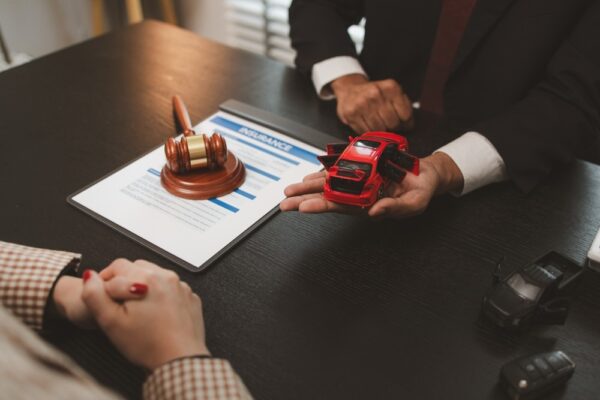
A commercial vehicle crash can leave behind a trail of clues that say far more than a damaged bumper ever could. Tire marks, driver records, camera footage, and even maintenance files may help explain what led to the collision. A commercial vehicle accident lawyer may look at these details from several angles because responsibility is not always clear from the scene alone.
A driver may have made an error, but company practices, vehicle condition, or scheduling decisions may also matter. Careful review of these facts can help connect the pieces and show what happened before, during, and after the crash.
Starting With the Road and the Vehicles
The crash scene is often the first source of physical evidence. Photos and measurements can help show how the vehicles moved and where the collision occurred. A lawyer may look at:
- Skid marks and tire tracks
- Debris scattered across the roadway
- Vehicle positions after impact
- Damage to each vehicle
- Traffic signs, signals, and lane markings
- Weather, lighting, and road conditions
Vehicle damage can also tell a useful story. The location and depth of damage may help show the direction and force of impact. Photos should be taken as soon as it is safe to do so, since road conditions and vehicle positions can change quickly.
Checking What the Driver Was Doing
A commercial driver may have been dealing with pressures that are not visible from the crash scene. Speed, distraction, fatigue, or poor judgment can all affect safe driving. A review may include the driver’s actions before the collision and whether required safety rules were followed.
Records can help fill in missing details. Depending on the case, these may include driving logs, electronic logging device information, delivery schedules, phone records, or other available data. Such evidence can help determine whether the driver had been on the road too long, was rushing to meet a deadline, or was distracted before the crash.
A lawyer may compare the driver’s account with independent evidence instead of relying on one version of events. Small differences can matter. A delivery route, traffic signal timing, or vehicle location may help test whether the reported sequence matches the facts. This comparison can prevent details from being overlooked.
Looking Behind the Driver
Commercial vehicle cases can involve the company that owns, leases, operates, or manages the vehicle. That makes company records an important part of a careful investigation. A lawyer may examine whether the company used reasonable hiring, training, inspection, and safety practices.
Useful records may include:
- Driver qualification and training documents
- Vehicle inspection and maintenance records
- Dispatch and delivery information
- Company safety policies
- Hours-of-service records
- Prior safety or disciplinary records, where relevant
These records may reveal problems that are not obvious at the crash site. For example, repeated maintenance concerns or pressure to meet unrealistic delivery schedules could provide important context.
Following the Digital Trail
Modern commercial vehicles often create electronic records. These records can sometimes help establish what happened with greater detail than a person’s memory alone.
Possible evidence may include dashcam footage, nearby security video, GPS information, electronic logs, and vehicle data. A lawyer may also look for footage from businesses, traffic cameras, or other vehicles that captured the roadway.
Digital evidence can be especially useful if people give different accounts of the crash. It may help confirm speed, vehicle movement, timing, or road position. Since some recordings are automatically deleted or overwritten, identifying and preserving useful footage can be important.
Connecting the Crash to the Injuries
A strong investigation also considers what the collision did to the person who was hurt. Medical records can show the type of injuries, treatment received, and expected recovery. Other documents may help explain how those injuries affect daily life and finances.
Important information can include:
- Emergency and follow-up medical records
- Bills and treatment expenses
- Time missed from work
- Changes in earning ability
- Recommended future care
Keeping these records organized can make it easier to show the full effect of the crash rather than focusing only on the visible damage to the vehicles.
Sorting Out Insurance and Responsibility
Commercial vehicle crashes may involve several parties and insurance policies. The driver may not be the only person whose actions or decisions need review. Depending on the facts, responsibility could involve a vehicle owner, transportation company, maintenance provider, or another party.
Insurance information also deserves careful attention. Commercial policies can have different coverage terms and limits than ordinary personal auto policies. Reviewing the available policies and identifying the parties connected to the vehicle can help clarify where a claim may need to be directed.
Looking Past the Point of Impact
A commercial vehicle crash rarely tells its full story through the wreckage alone. The road, vehicle damage, driver records, company documents, digital evidence, medical records, and insurance information can each add another piece to the picture. Looking at those pieces together may help explain not only how a collision happened, but also who may be responsible for its consequences.
For someone dealing with serious injuries or complicated evidence, a commercial vehicle accident lawyer can help organize the investigation and identify important questions that might otherwise be missed. A careful review can turn scattered facts into a clearer account of what happened and what steps may follow.