 Gearfuse Technology, Science, Culture & More
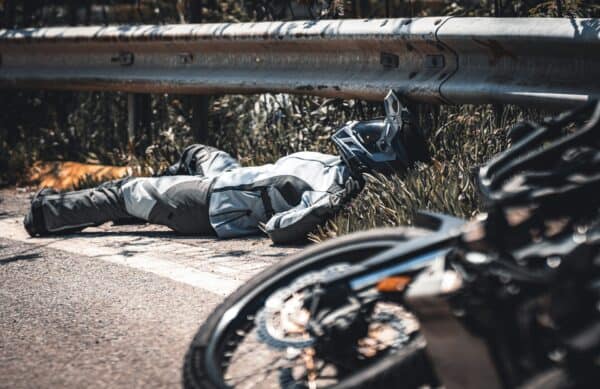
Ten years ago, piecing together a motorcycle crash came down to chalk, a tape measure, skid marks, and two drivers telling different stories. Investigators worked backward from gouges in the pavement and where the bike came to rest. If the rider survived, their memory was the strongest evidence on the table. If they didn’t, the car driver’s version usually won by default.
Modern bikes have rewritten that math. A current sport or touring motorcycle with stability control samples lean angle, wheel speed, throttle position, and brake pressure dozens of times a second, and that data doesn’t vanish at impact.
For an injured rider, the question is no longer whether a sensor saw what happened. It’s who reads the file first, and how fast.
What Is the Bike Recording?
A motorcycle with an inertial measurement unit runs a tiny physics lab under the tank. According to Bosch’s MSC documentation, the system reads acceleration and angular rate about 100 times per second and uses lean and pitch angles to modulate braking before the tire breaks loose. The ABS module is doing the same math for wheel slip.
None of this was designed to settle lawsuits. It was built to keep the bike upright. The byproduct is a timestamped record of what the motorcycle was doing in the seconds before a collision, in a format no eyewitness can match. An injured rider who wants that data preserved should get a motorcycle injury attorney involved before the bike leaves the tow yard, because once the salvage buyer takes it, the module can walk out the door with it.
- Lean angle and pitch. How far the bike was over at impact, and whether the rider was already correcting.
- Wheel speeds. Front and rear independently, which can show hard braking, lockup, or a locked rear from a downshift.
- Throttle and brake inputs. Whether the rider was on the gas, off it, or hard on the lever when the other vehicle appeared.
- ABS and traction events. Each intervention is logged with a timestamp, which effectively marks when the rider ran out of grip.
Who Owns the Data on the Chip?
Ownership is messier than it sounds. The physical module belongs to whoever owns the bike. Reading it usually requires manufacturer-specific tools, and some brands treat the diagnostic protocol as proprietary. Insurers often have faster access than the rider does, because their reconstruction vendors already hold accounts with the tool suppliers.
Federal event-data-recorder rules in the US cover light passenger vehicles, not motorcycles, so the standardized download format drivers get in a car case doesn’t exist for bikes. The first party to pull the ECU gets a meaningful head start on the narrative.
How Does Sensor Data Change the Fault Fight?
Insurers lean on familiar assumptions about riders: too fast, too aggressive, or should have seen the car coming. Hard data complicates all of that. If the log shows the bike at legal speed, upright, and on the brakes a full second before impact, the “he came out of nowhere” story stops working.
Reconstruction engineers now blend ECU downloads with the traditional physical evidence. Garrett Forensics describes how lean angle, countersteering input, tire traction, and braking timing all factor into a defensible fault opinion. A reconstructionist who can put a lean-angle graph in front of a jury has something a chalk diagram never offered: motion, in numbers, with a clock on it.
What Should a Rider Do After a Serious Crash?
- Photograph the bike where it sits. Before it moves, capture the dash, any fault codes on the display, and the position of the controls.
- Find out where it’s being towed. Get the yard’s name and ask them in writing not to release it or allow any downloads without your consent.
- Don’t give a recorded statement yet. The insurer’s version of events will harden around whatever you say in the first week.
- Ask about an ECU preservation hold. A lawyer can send a spoliation letter that forces the other side to keep its hands off the module until a neutral download happens.
The data sits on the bike, whether anyone asks for it or not. What changes the outcome is whether someone working for the rider reads it, or only someone working against them.