 Gearfuse Technology, Science, Culture & More
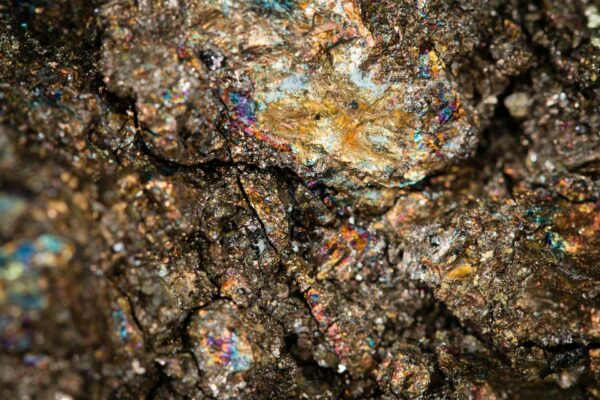
A geologist stands on top of a 30-year-old tailings dam, kicks at the crust with a boot, and watches a small avalanche of gray-brown fines slide toward the toe. Somewhere in that pile is iron, silica, alumina, maybe a little wollastonite precursor. But also, water the dam can’t afford to lose.
The question that pays the bills isn’t whether the material has value. It obviously does. The real question is which decisions have to go right to turn a balance-sheet liability into a spec sheet a tile plant or a brickmaker will buy against. There are five or six genuine choices in front of anyone trying to do it, each with a real trade-off. Get them in the right order and the economics work. Get them wrong and you’ve built an expensive way to move a pile from one place to another.
Reprocess the Pile or Blend It Into Something New
The first fork is the biggest. You can chase what’s still recoverable in the tailings, meaning residual metals, rare earths, the odd critical mineral, or you can treat the bulk mineral fraction as feedstock for a ceramic body and sell tonnage instead of grams. Most operators want to do both, and that’s usually where the plan falls apart.
Recovery projects live and die on grade. Ceramic projects live and die on consistency. A stream that varies by five percent iron week to week is fine for a smelter and a disaster for a tile press. If you’re serious about the ceramic route, the recovery step has to be designed around leaving the ceramic feed predictable, not around squeezing every last gram of metal out.
Work out of the Colorado School of Mines has emphasized how much of the original ore body ends up as fines suitable for downstream ceramics, with tailings-to-brick and tailings-to-tile pathways designed alongside critical-mineral extraction, not instead of it.
Pick the Product Before You Pick the Process
The temptation is to characterize the pile, publish a nice mineralogy report, and then go looking for a buyer. That order almost never works. The chemistry of the tailings sets a range of possible products. The product sets the process. The process sets the capital plan. Reverse that sequence and you end up building for streams nobody wants.
Decide How Clean Is Clean Enough
Every tailings stream carries something you’d rather not have in a finished product: sulfides, soluble salts, heavy metals, residual process chemicals. The decision isn’t whether to remove them. It’s how far to go, because each additional nine of purity costs real money and, more importantly, real water.
For a structural brick fired above 900 °C, sintering locks a lot of the problem constituents into a glassy phase and leach tests come back tame. For a ceramic tile that touches food or skin, the bar is higher and the pre-treatment gets longer. There is no universal threshold. What you need is a leaching protocol tied to the end use, run early enough that the process design still has room to change.
Do Not Skip the Regulatory Reclassification
A tailings pile is regulated waste. A ceramic feedstock is a product. Reclassifying the material is a legal act, not a marketing one, and the paperwork varies by jurisdiction.
There is precedent for permitted beneficial reuse of specific mine wastes. Chat from historic lead and zinc districts is one example the US EPA has addressed through defined criteria, but those pathways are narrow. Assume nothing generalizes. Get a written determination before you sign an offtake.
Build the Spec Before You Build the Plant
The step most projects underinvest in is the one that decides whether any of this works: writing a real specification for the reclaimed feedstock. Particle size distribution, loss on ignition, oxide chemistry with tolerances, moisture, trace elements with hard caps, and a sampling plan that reflects how the pile actually varies from top to bottom and season to season.
That spec is the contract between the pile and the customer. It’s also the document that determines whether the milling, granulation, and calcining equipment you buy is the right equipment. This is the point in a project where a ceramics manufacturing consultant earns their fee. Someone who has taken a waste stream through characterization, pilot firing, and a commercial specification more than once, and knows which corners a first-timer is about to cut.
None of these decisions is complicated on its own. They’re unforgiving when taken in the wrong order. Set the product, the purity target, and the specification early, and the pile stops being a problem to be managed and starts being inventory.