 Gearfuse Technology, Science, Culture & More
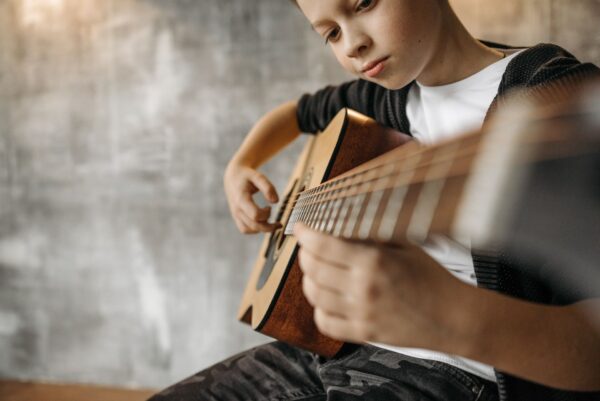
There is a moment most parents recognize, even if it sneaks up on them. Your kid picks up a guitar, maybe at a friend’s house or tucked in the corner of a music store, and something clicks. It is not polished, it is not disciplined, but it is real. That early spark is where things either quietly fade out or get built into something meaningful. What happens next has less to do with talent and more to do with how you choose to support it.
Investing in a child’s interest in guitar is not about forcing lessons or buying the most expensive gear you can find. It is about setting the stage so that curiosity sticks around long enough to turn into skill. That takes a mix of thoughtful spending, patience, and a willingness to let the process unfold in a way that does not feel like schoolwork.
Start With The Right Instrument
A child’s first guitar matters more than people like to admit. Too many kids quit before they even begin because the instrument feels awkward, sounds bad, or fights them at every turn. You will hear advice about starting cheap in case they lose interest, but that often backfires.
If your child is smaller, you might look at a small guitar, but you want to invest in a high-quality guitar, not a dinky, breakable one. There is a difference between size and quality. A properly built smaller guitar still stays in tune, feels comfortable under the fingers, and produces a sound that actually rewards effort. That feedback loop matters. If it sounds good, they will keep playing. If it sounds like a toy, they will treat it like one.
This does not mean buying a boutique instrument. It means choosing something solid, reliable, and enjoyable to play. Think of it the same way you would approach a bike. You would not hand your kid something with wobbly wheels and expect them to fall in love with riding.
Create A Low Pressure Environment
Kids can spot pressure from a mile away. The moment guitar starts to feel like a performance metric, enthusiasm drops. The goal is to make it part of their environment, not a chore they have to check off.
Keep the guitar out where they can reach it. Let them mess around without correcting every mistake. Resist the urge to hover. Progress in music rarely looks linear, especially in the early stages. One day they are obsessed, the next day they ignore it completely. That is normal.
What helps is exposure rather than instruction overload. Play music around the house. Show them different styles without turning it into a lecture. Let them connect the dots on their own. When they come back to the guitar, it will feel like something they chose, not something assigned.
Lessons That Actually Stick
At some point, most kids benefit from some kind of guidance. The mistake is assuming all lessons are created equal. A rigid, overly technical approach can shut things down fast, especially for younger players.
Look for someone who knows how to meet a child where they are. That might mean learning simple songs before diving into theory. It might mean letting them play music they actually recognize, even if it is not considered impressive. Engagement beats perfection every time.
Online platforms have made this easier, but they still require a bit of filtering. Some kids do well with structured video lessons. Others need a real person who can adjust in the moment. Pay attention to how your child responds rather than sticking to a fixed plan.
Consistency matters more than intensity. A few focused sessions a week will go further than long, forced practice blocks that leave everyone frustrated.
Gear That Grows With Them
Once your child starts showing real interest, it makes sense to expand beyond the basics. This is where thoughtful upgrades come in, not as rewards, but as tools that remove friction.
A better amp, a comfortable strap, or lighter gauge strings can change the experience more than you might expect. Small improvements can make playing easier, which leads to more time spent practicing without it feeling like practice.
There is also a psychological shift that happens when kids realize their gear is not disposable. It signals that what they are doing has value. That does not require constant spending, just intentional choices that match their level of commitment.
It is easy to overdo it here. You do not need a full pedalboard or a wall of guitars. Focus on pieces that make playing more enjoyable and less frustrating. That is where the real return shows up.
Competing With Screens
This is the part most parents are quietly dealing with. Devices are designed to win attention, and they are very good at it. Guitar, especially in the early stages, cannot compete on instant gratification alone.
That is why it helps to frame music as something different rather than something competing. When kids start to see the guitar as a way to express themselves or even just decompress, it shifts the dynamic. It is not about replacing screen time entirely, but it can absolutely get them off iPads and tablets for stretches that feel natural instead of forced.
You can nudge this along by making guitar part of shared time. Sit nearby while they play. Ask them to show you what they are working on. Even a little attention goes a long way. Kids tend to invest more in things that feel seen.
There is also a physical component that matters. Playing an instrument engages the body in a way screens do not. Over time, that contrast becomes noticeable, even if they cannot articulate it. They just know it feels better.
The Long Game Payoff
It is easy to look for immediate results, but guitar is a long game. The real benefits often show up in ways that have nothing to do with music itself. Focus, patience, and the ability to work through frustration are all baked into the process.
There is also something to be said for having a skill that is entirely their own. In a world where so much is shared, tracked, and measured, playing guitar can feel private in a good way. It belongs to them.
You may not end up raising a professional musician, and that is fine. What you are building is a relationship with learning that carries over into everything else. The discipline of sticking with something that does not come easily at first is valuable in ways that are hard to quantify.
And every now and then, you will hear them play something that actually sounds like music. Not just noise, not just practice, but a real moment where it all comes together. Those moments tend to stick.
If you are going to invest in anything for your kid, investing in something that builds skill, confidence, and a sense of ownership is a solid bet. Guitar just happens to check all of those boxes without feeling forced. The trick is not overcomplicating it. Give them the right tools, keep the pressure low, and let them take it from there.