 Gearfuse Technology, Science, Culture & More
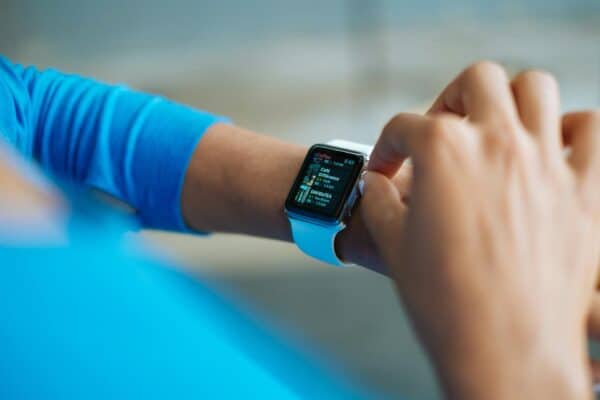
Remember when counting steps felt revolutionary? Those days seem quaint now. Wearable technology has undergone a remarkable transformation, evolving from simple step-counters into sophisticated companions that anticipate our needs before we recognize them ourselves. This rapid evolution reflects broader shifts in how technology integrates with daily life-becoming less obtrusive yet more impactful. The numbers tell a compelling story: the global wearable technology market, valued at $199.7 billion last year, is projected to reach a staggering $2.3 trillion by 2037. What’s driving this astronomical growth isn’t just improved sensors or battery life, but a fundamental reimagining of what wearables can and should do for us.
The relationship between technology and reward systems has taken an interesting turn with modern wearables. Much like how vegasslotsonline com no deposit bonuses entice newcomers to digital platforms with risk-free engagement, today’s wearable manufacturers have mastered the art of behavioral motivation. They’ve built sophisticated reward systems that turn health goals into engaging challenges, complete with digital badges, community recognition, and tangible benefits. The difference? Instead of encouraging another gaming session, these digital nudges guide us toward better sleep habits, improved hydration, or simply taking a break from our desks. This gamification represents a crucial shift: wearables aren’t just passive data collectors anymore but active participants in our decision-making, using carefully crafted incentives to reshape our daily routines in ways that feel natural rather than imposed.
Sixth sense devices
The wearables adorning our bodies in 2025 have developed something akin to intuition. They notice patterns we miss-slight variations in heart rhythm during meetings with a particular colleague, subtle changes in skin conductivity before stress manifests consciously, tiny fluctuations in body temperature preceding illness.
Huawei’s latest offering, the WATCH 5 released just days ago, exemplifies this shift. Its TruSense System doesn’t merely record your heartbeat; it analyzes hundreds of physiological signals simultaneously, creating what developers call a “digital fingerprint” of your wellbeing. Found yourself getting unnecessarily agitated recently? Your device might suggest checking your hydration levels-often before you’ve felt thirsty. This predictive capability represents the true quantum leap in wearable value.
With the wearable tech industry hitting $228.8 billion this year, companies are investing heavily in these anticipatory algorithms. The goal isn’t just monitoring health but preventing decline-a fundamentally different proposition. Think of it as having a tiny medical team constantly running diagnostics, except this team knows you better than any doctor could possibly hope to after a fifteen-minute consultation.
Wearables break free from the wrist
The tyranny of the wrist is ending. Smartwatches still dominate sales figures, but innovative form factors are rapidly gaining traction. Smart rings have emerged as particularly promising alternatives-subtle enough for formal occasions yet sophisticated enough to track everything from sleep quality to blood oxygen levels.
Ears, interestingly enough, have become prime real estate in the wearable landscape. Sennheiser’s MOMENTUM Sport earbuds don’t just deliver crystal-clear audio; they monitor heart rate and body temperature with remarkable accuracy. The proximity to major blood vessels makes the ear canal an unexpectedly ideal location for certain measurements.
These diversifying form factors explain part of why the wearable fitness segment alone is valued at over $80 billion and projected to grow substantially by 2035. Consumers increasingly demand technology that adapts to their aesthetic preferences rather than forcing them to adapt their style to technological limitations. I’ve noticed this shift among friends who previously rejected smartwatches as too techy or obtrusive-they’re now sporting discreet rings that match their wedding bands or professional attire.
When tech becomes invisible
The most advanced wearable technologies have a paradoxical quality: the more sophisticated they become, the less noticeable their presence. Consider the breakthrough in cuffless blood pressure monitoring-a genuine game-changer for hypertension management. Rather than requiring inflatable cuffs or obvious monitoring equipment, these systems work silently from devices you’re already wearing.
Withings’ Body Scan exemplifies this trend toward unobtrusive comprehensiveness. Step onto what appears to be a normal bathroom scale, and you’ll receive detailed analysis of cardiovascular health, nerve activity, and body composition. No appointments, no clinical setting, no disruption to your morning routine.
The trajectory is clear: toward embedded technologies that eliminate the friction between monitoring and living. The ultimate expression might well be the brain-computer interfaces currently moving from science fiction into early reality. While still experimental, these systems represent the logical conclusion of wearable evolution-technology that requires no physical interaction whatsoever.
Work hard, wear smart
While consumer applications attract headlines, some of the most transformative wearable innovations are happening in workplaces. Industries with high-risk environments-manufacturing, construction, energy-have embraced ruggedized wearables that enhance safety without hampering movement.
Garmin’s tactix 7 AMOLED Edition, with its military-standard construction, represents the industrial-grade approach gaining traction across sectors where environmental challenges would destroy consumer-grade devices. These specialized wearables enable hands-free operations, remote expert consultation during complex procedures, and immediate alerts when workers enter hazardous conditions.
Having visited several manufacturing facilities recently, I’ve been struck by how these technologies disappear into the workflow. Workers don’t think of themselves as using advanced wearable technology-they’re simply doing their jobs with tools that happen to include sensors, displays, and connectivity.
The division between consumer and industrial wearables is blurring, too. Innovations developed for extreme workplace environments inevitably filter into mainstream products, creating a virtuous cycle of advancement.
When we look back a decade from now, our current wearables will seem as primitive as those first-generation fitness trackers appear to us today. The trajectory is clear: from quantifying what we’ve done to guiding what we might do next, from devices we consciously wear to technologies that simply augment our capabilities without demanding attention. This isn’t just about better health metrics-it’s about redefining our relationship with technology itself, creating tools that understand us well enough to serve our needs without commanding our consciousness.