 Gearfuse Technology, Science, Culture & More
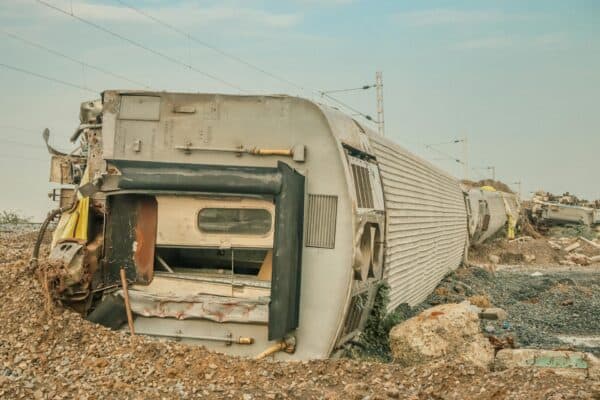
Commercial truck accidents are a major safety concern in Houston and across Texas, with data showing how frequently these crashes occur and how severe they can be. In one recent year, Houston reported more than 8,000 crashes involving large trucks, leading to over 3,000 injuries and nearly 200 fatalities. Statewide figures are even more alarming, with Texas seeing over 38,000 large truck accidents in a single year, resulting in more than 15,000 injuries and close to 600 deaths. These numbers highlight how often commercial vehicles are involved in serious and life-changing collisions.
Given the complexity of these cases, many victims are advised to contact a truck accident lawyer as soon as possible after a crash. Truck accident claims often involve multiple parties, including drivers, trucking companies, cargo loaders, and insurers, along with strict federal regulations that do not apply to regular car accidents. A lawyer can help uncover critical evidence, determine liability, and handle negotiations so injured individuals are not left navigating a complicated legal process on their own.
Multiple Parties Involved
The number of parties involved in a truck accident is one of the main reasons why it becomes complicated to settle. Commercial trucks are typically owned by businesses, not the people who drive them. Other parties that may be involved include maintenance contractors, cargo loaders, and insurance companies. Responsibility may lie with different groups, and there may be arguments about who carries the final responsibility. Assigning liability is challenging in such cases, and it proves to be a source of confusion, causing hindrances.
Complex Regulations and Standards
Government authorities and agencies hold commercial trucks to stringent safety standards. These regulations cover driver hours, cargo limits, maintenance schedules, and equipment checks. While a breach can change the result of a case, establishing a failure to comply usually necessitates working with an expert who has an extensive background in transportation regulation. Obtaining records, inspecting logs, and studying inspection reports are jobs that only experienced legal teams can perform.
Challenges Related to Evidence Gathering
It can be difficult to obtain vital evidence immediately after a commercial truck collision. Evidence gathering involved collecting data from the black box, maintenance logs, and driver records. Companies are reluctant to disclose this information unless a formal request is made. If such evidence collection is delayed, it could be tampered with or destroyed. Even if claims arise, evidence can go missing or be tampered with, which can adversely impact the case.
Severity of Injuries and Damages
Heavy vehicles generally inflict more serious injuries and lead to more extensive property damage than compact cars. Medical bills add up, wages are lost, and pain ensues. Determining fair compensation requires taking into account the victim’s current and future losses. The extent and seriousness of injuries typically lead to disagreements and arguments. For instance, it may be challenging to determine the seriousness of a hand or wrist injury in a truck accident. The higher the stakes, the longer a case is likely to go on.
Insurance Coverage Disputes
Many commercial trucks have multiple layers of insurance to provide coverage. Each policy might cover a different aspect of an incident, like personal injury or property damage. Insurers occasionally squabble about which carrier should cover the damage or injury and where the fault lies. These disputes can postpone settlements and necessitate extended negotiations. This increases complications, as parties will have to comb through policy language and case law.
Driver Fatigue and Training Issues
To limit driver fatigue, there are strict regulations about driving hours for truck drivers. However, the pressure to meet deadlines may sometimes lead to non-compliance with this rule. Proving that driver fatigue or insufficient driver training caused the accident involves analyzing work schedules, client logs, and training certification details. Employers may dispute such findings to support their own interests, which can cause serious contention between parties.
Jurisdiction and Venue Complications
Since many commercial trucks travel across state lines, handling jurisdictional complications is challenging. Where you can “choose” to bring a lawsuit is based on certain factors, such as which state the crash occurred in or where the companies are located. Different states have different rules, deadlines, and court procedures. Choosing the wrong venue can lead to case dismissal or lower compensation. Attorneys need to assess the optimal choice of venue and select it before filing.
Federal and State Authorities Involved
Federal and state authorities often investigate accidents involving heavy and long-haul vehicles. Each jurisdiction has specific rules and standards for reporting, proof, and compliance. With conflicting findings or timelines, the case could go in different directions. Communicating with agencies sometimes takes time and can hinder movement in commercial truck accident cases.
Conclusion
Commercial truck accidents pose unusual legal challenges. Since many parties are involved and complex regulations apply, handling these cases can be tricky. Complex insurance policies further complicate matters in many cases. Learning about all these factors can help parties prepare well for the legal process, ensuring justice is served and that injured parties are compensated for their losses.