 Gearfuse Technology, Science, Culture & More
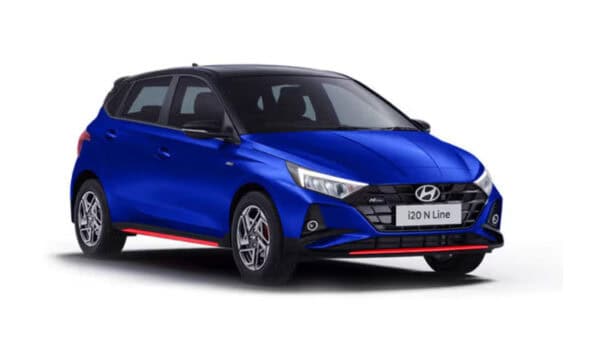
The demands placed on premium hatchbacks have changed significantly over the years. While practicality and fuel efficiency remain critical, buyers increasingly seek vehicles that deliver a more engaging driving experience without compromising on day-to-day usability.
The Hyundai i20 N Line aims to meet this expectation. It is positioned as a performance-oriented version of the standard i20, equipped with a more responsive engine, enhanced transmission choices, and sportier tuning. On paper, it presents an appealing mix of agility and refinement. The central question is whether this added performance translates into real-world value for those considering the upgrade.
The question is, does that extra performance actually change anything in day-to-day life, or is it all just numbers on a brochure?
Turbocharged Performance: A Closer Look at the 1.0L Engine
The i20 N Line’s core is a 1-litre, three-cylinder turbocharged petrol engine. It generates 120 brake horsepower and 172 Nm of torque, which is a notable improvement in both power delivery and responsiveness compared to its naturally aspirated counterpart.
This engine excels in city traffic and open-road scenarios alike. Acceleration is confident and linear, with minimal lag. The torque comes in early and stays accessible across the rev band, offering smooth transitions and dependable overtaking ability. It is particularly effective for those who value a spirited drive without sacrificing fuel discipline.
The tuning reflects Hyundai’s intent: to provide an engaging yet composed performance package that maintains drivability in everyday conditions.
Transmission Choices: Manual Engagement or Automatic Convenience
The i20 N Line offers two distinct transmission options: a six-speed MT (manual transmission) and a seven-speed dual-clutch automatic transmission (DCT). Each has its own strengths, tailored to different driving preferences.
The MT retains the old-school charm of driving with a manual gearbox. This setup allows the driver to shift gears manually, delivering a connected driving feel.
Conversely, the seven-speed DCT is engineered for seamless operation. It delivers precise and rapid gear changes with minimal driver intervention. This automatic transmission is ideal for those who prioritise ease of use, especially in urban environments.
Both transmissions support the vehicle’s performance profile well. The choice depends primarily on whether the buyer prefers control and engagement or effortless commuting. Which one fits better depends on how much you enjoy being part of the process. If you like driving with intent, go manual. If you want comfort first, the DCT delivers it well.
Driving Dynamics: Ride Quality and Road Feedback
Hyundai has calibrated the i20 N Line for a more dynamic driving experience. Steering response is more direct compared to the standard i20, providing greater feedback and control during cornering. The suspension has also been stiffened to reduce body roll and enhance road-holding.
Suspension has been tuned to handle with more confidence. You feel the firmness, but it doesn’t punish you on broken roads. The steering feels heavier than the standard i20, and that extra weight makes turns feel more deliberate. You can feel where the wheels are pointing, and that’s something you only notice when it’s missing from other cars.
One of the most noticeable differences is the acoustic tuning. The exhaust note carries a deeper, sportier tone, subtly reinforcing the performance image without being intrusive.
Drive modes—Normal, Eco, and Sport—offer tailored adjustments to throttle response and steering weight. While the changes are not drastic, they allow the vehicle to adapt effectively to different driving styles and conditions.
Drive mode select gives you more control. Normal mode does what you expect. Eco mode holds back on throttle response and smooths everything out. Sport mode makes the steering firmer and the throttle sharper. It doesn’t transform the car, but it changes enough to suit the mood.
The end result is a hatchback that feels stable and confident in a variety of environments, from dense city roads to open highways.
Efficiency Meets Performance
Despite the engine’s enhanced output, the i20 N Line remains commendably efficient. The manual variant delivers a mileage of approximately 16 km per litre, while the DCT-equipped version improves that figure to around 20 km per litre under standard driving conditions.
This balance between performance and fuel economy is a notable strength. It allows the i20 N Line to serve as both a capable commuter and a spirited weekend vehicle. It meets the practical expectations of daily drivers without sacrificing the benefits of a performance-focused powertrain.
Conclusion
The Hyundai i20 N Line represents a well-executed upgrade for buyers seeking additional performance without compromising comfort or efficiency. Its 1.0L turbocharged engine, paired with flexible transmission options and thoughtful suspension tuning, positions it as a compelling option within the premium hatchback segment.
For those who value sharper dynamics, enhanced responsiveness, and subtle performance styling—without significantly increasing running costs—the i20 N Line presents a convincing case. It is a vehicle that delivers tangible improvements in driving experience, making the extra power well worth considering.