 Gearfuse Technology, Science, Culture & More
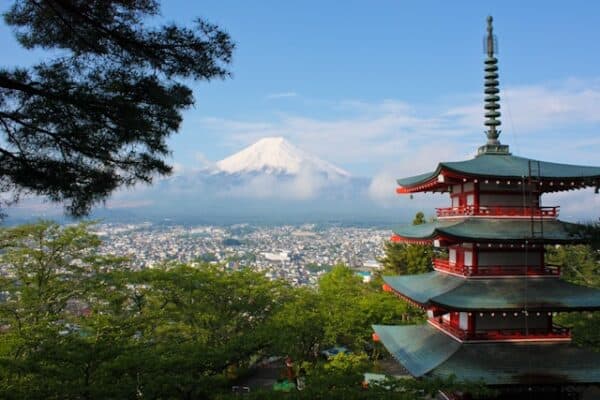
You arrive in a city built long before smartphones, metro apps, or online reviews. Its streets follow old walls, landmarks hide behind ordinary buildings, and public transport may feel confusing. Within seconds, however, your phone has found your location, translated a sign, calculated a route, and suggested lunch nearby.
That is the bargain of modern travel. Technology removes friction, but it can also reduce a city to a sequence of pins.
Used thoughtfully, travel technology gives visitors more time to explore. Used on autopilot, it sends everyone toward the same viewpoints, restaurants, and photo spots. The real question is not whether to use digital tools, but when to stop looking at them.
The Digital Layer Over An Old City
Historic cities were not designed for efficient sightseeing. Attractions may sit in separate districts, transport can require several transfers, and the most intriguing streets rarely form a convenient loop.
Digital maps, translation tools, and mobile tickets solve practical problems. Ten minutes spent decoding a bus stop, followed by another ten searching for an entrance, quickly adds up. Repeat that several times, and a noticeable part of the day disappears into logistics.
Yet a map does more than show the city. It edits it.
Businesses with hundreds of reviews appear important, while places with weak online profiles become nearly invisible. A small workshop may be three doors away, but the screen keeps pulling you toward a café with better photographs.
Travel tip: When researching Kyoto, you can find a first-hand guide to unusual sights and candid recommendations here. Use it to build a shortlist, then compare the locations on a map rather than copying an entire itinerary.
Plan Areas, Not Every Minute
The best travel planning apps reduce uncertainty without turning a holiday into project management.
Suppose you save nine places in Kyoto. On a list, they look manageable. On a map, you discover that they are spread across four parts of the city. Visiting all of them could mean hours of transfers and backtracking.
A better approach is to sort them into three groups:
- Priorities: Two or three places you genuinely do not want to miss.
- Nearby options: Cafés, gardens, shops, or smaller attractions within walking distance.
- Backups: Indoor stops for rain, crowds, or unexpected closures.
This approach gives the day structure without fixing every hour. It leaves room to stay longer in a garden, explore a side street, or change plans when a place feels too crowded.
Check the awkward details in advance, too. Last admission may be earlier than closing time, some attractions shut on specific weekdays, and the fastest route is not always the easiest.
Plan enough to avoid wasted time, but not so much that the itinerary starts controlling the trip.
Kyoto Exposes Checklist Travel
Search for things to do in Kyoto, and the same familiar images appear: vermilion torii gates, bamboo paths, golden architecture, traditional streets, and carefully framed gardens.
These places are popular for good reasons. The problem begins when popularity becomes the only selection criterion.
A visitor may cross the city for one famous photograph, spend 20 minutes moving through a crowd, and leave without exploring the surrounding area. Meanwhile, a quieter temple, craft shop, or neighborhood walk might suit them much better.
Anyone preparing to visit Kyoto should ask a more useful question: what kind of day do I actually enjoy?
Architecture enthusiasts may prefer fewer stops and more time inside major complexes. Food-focused travelers might build the day around a market. Families may value shorter journeys and indoor alternatives. Photographers often benefit from early mornings, while late risers may be happier visiting less famous locations.
There is no universally perfect Kyoto route. There is only one that fits the person taking it.
Ratings Help, But They Do Not Decide
Online ratings look objective, yet they compress very different experiences into one number. A score of 4.6 does not tell you whether a place is peaceful, accessible, crowded, expensive, or worth a 50-minute detour.
Popular attractions also collect more reviews and photographs, which encourages recommendation systems to show them to even more people. Visibility starts feeding itself.
Reviews are useful when you read them for practical patterns. Repeated comments about long waits, steep stairs, cash-only payment, or confusing signage can save time. A stranger saying that a garden was “boring” tells you far less.
Takeaway: Use rankings to identify possibilities, not to replace curiosity.
A Smarter Digital Routine
Good Kyoto travel planning does not require a dozen apps. A compact toolkit is usually enough:
| Tool | Best use | Common mistake |
| Offline map | Navigation without constant data | Saving too many pins |
| Transit app | Comparing routes | Choosing speed over simplicity |
| Translation tool | Reading signs and menus | Assuming every translation is exact |
| Notes app | Storing bookings and priorities | Scheduling every hour |
Download essential information before leaving. Save your accommodation address in the local language, keep screenshots of important tickets, and carry a power bank. A carefully planned day is not much help when the battery reaches zero before lunch.
Then create screen-free stretches. Walk for a while without checking directions every minute. Choose a side street because it looks interesting. Sit somewhere without immediately searching for the highest-rated café nearby.
The aim is not to romanticize getting lost. Missing the final train is not a meaningful cultural experience. The goal is to let technology handle preventable problems while keeping your attention available for what no app can predict.
Let The Phone Organize The Trip
Digital tools make complex cities easier to navigate. They help travelers understand transport, overcome language barriers, compare distances, and avoid wasted journeys.
But convenience becomes limiting when every suggestion comes from the same platforms. Historic cities are not playlists, and the most rewarding place is not always the one with the strongest rating.
Build a loose plan, check practical details, and read personal recommendations alongside algorithmic suggestions. Most importantly, leave gaps.
Your phone is excellent at telling you where to turn next. It is far less capable of deciding what deserves your attention once you arrive.