 Gearfuse Technology, Science, Culture & More
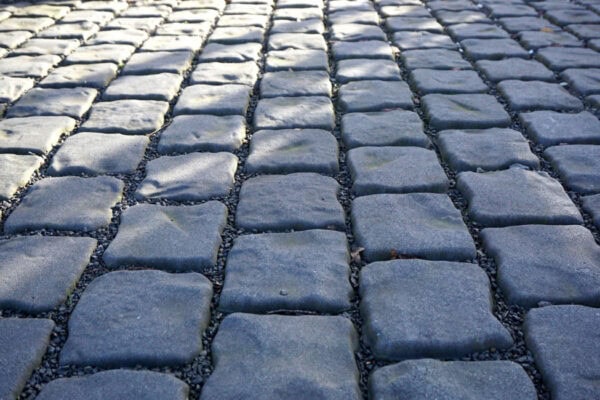
Have you ever wondered how city streets and parks can stay both strong and beautiful despite constant use?
Modern asphalt paving is making this possible by combining durability with eco-friendly design. As cities grow, the need for sustainable and long-lasting materials becomes more important. New paving methods now help manage water, reduce heat, and even make streets quieter.
This article explores how asphalt paving innovations are changing the way we build and maintain urban landscapes.
Greener Asphalt for a Sustainable City
As environmental awareness grows, cities are searching for cleaner ways to build roads and walkways. One major innovation is the use of recycled materials in asphalt, such as old pavement and rubber tires. This not only reduces waste but also lowers production costs and carbon emissions.
Permeable asphalt is another step forward in green design. It allows rainwater to pass through the surface, reducing runoff and flooding. This design also improves water quality by filtering out pollutants before they reach local waterways.
Quieter and Cooler Urban Spaces
Cities are often filled with noise from vehicles and construction. New asphalt mixtures can absorb sound, making roads and neighborhoods quieter. These sound-reducing pavements use special materials that trap noise instead of bouncing it back.
Heat is another big challenge in cities, especially during summer. Traditional asphalt absorbs sunlight, raising surface temperatures. Cool asphalt reflects more light and stays cooler, helping reduce the urban heat island effect that makes cities hotter than nearby rural areas.
Longer-Lasting Roads and Easier Maintenance
Durability is at the heart of modern asphalt paving. New formulas and installation methods help pavements last longer, even under heavy traffic. By improving flexibility and resistance to cracking, cities save money on repairs and extend the life of their roads.
Another key improvement is better maintenance through sealcoating. This protective layer shields asphalt from sunlight, water, and chemicals that cause damage. With sealcoating, roads not only last longer but also maintain a smooth and clean look for years.
Smart Asphalt for Modern Infrastructure
Technology is now part of road design. Smart asphalt can include sensors that monitor temperature, traffic flow, and stress levels. These sensors help cities predict when maintenance is needed, reducing repair costs and improving safety.
Some new pavements even use energy-efficient materials that capture and store heat. This energy can be used to melt snow or ice, keeping roads safer during winter. Such ideas show how innovation can turn simple streets into intelligent systems.
Paving Innovations: The Way to a Greener Tomorrow
Modern asphalt paving innovations are shaping cities that work better for both people and the planet. As technology and design merge, urban areas become stronger, quieter, and more sustainable. Every step toward better paving brings us closer to cities that are not only built to last but built to care.
Progress in asphalt paving reminds us that small improvements can create lasting impact. The streets we build today define the paths for tomorrow’s communities.
We hope this article was helpful to you. If you enjoyed it, be sure to check out our blog for more valuable information and resources.