 Gearfuse Technology, Science, Culture & More
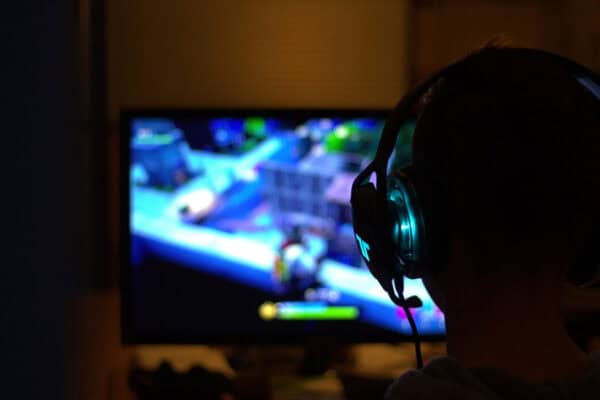
Each calendar year in gaming feels slightly different, even when nothing looks drastically different at first glance. Major gaming headlines draw the eye, but quiet shifts in habits, hardware, and payment models steadily rewrite how people engage with gaming as a medium. Subtle changes in where sessions take place, how long they last, and adjusted business models and monetisation tactics reshape the overall gaming experience from one year to the next.
1. Short Sessions that Still Feel Meaningful
Many players now fit gaming into the gaps in their day, between work, travel, and a steady stream of messages, instead of blocking out whole evenings for long, uninterrupted sessions. That change does not mean they want games to feel smaller or less ambitious, because they still look for distinctive mechanics, rich worlds, and ideas that feel fresh. What has shifted is the way that depth is delivered.
In 2026, more designers will reshape immersive gaming worlds with long story arcs and make them more snackable for gamers so they can be enjoyed in shorter sessions without compromising depth. This will be achieved through features like daily quests, short ranked matches, and focused dungeon runs so players can log in, finish something that feels complete, and log out knowing their time actually counted.
The same pattern is visible beyond traditional genres in the iGaming space, where the latest online casino reviews highlight platforms that offer fast payouts, generous bonuses, and thousands of games, including slots, blackjack, and roulette, which mirror what gamers in 2026 value, and that’s short, engaging sessions rather than long marathons. Next year, gamers will look for experiences that respect their busy schedules while still feeling rich and worthwhile.
2. A Shift Toward Personal Desk Setups and Handheld Play
The idea of console gaming solely existing on massive screens in a living room or man cave is quietly losing its grip. Many players now prefer compact desk setups built around a quality gaming monitor, a comfortable chair, and a reliable headset. Handheld devices and portable PCs add another layer to a gamer’s routine as they turn bedrooms, shared flats, trains, and quiet corners into primary play spaces rather than backup options. For many people, the main screen is simply the one that feels private, convenient, and easily accessible.
Gaming companies have already moved in this direction, and that line will continue through 2026 as devices keep improving with handheld devices like the Switch, the Steam Deck, and Asus ROG Ally X. Modern handhelds carry enough power to run demanding titles without feeling like a compromise.
However, it’s not just handhelds that are shifting player habits; modern gaming PCs and premium monitors are fine-tuning their features to offer a console-level gaming experience. Cloud services keep turning phones and tablets into flexible screens rather than emergency choices. Beneath all the hardware talk sits a simple truth that drives these choices. Players want setups that fit how they live today, not equipment that dictates how a home must be arranged around one central screen.
3. Live Service Games are Slowly Growing into their Promises
Live service games are no longer a novelty, and players have learned how to read them. They can tell when a season pass has slipped into a chore list, when an event is just last year’s version with a new coat of paint, and when an update adds extra steps instead of something genuinely fresh.
After years of that, expectations have gone up. People still like games that keep evolving, but only when new content feels thought through, gives a clear reason to log in, and treats their time as something valuable. The live games that still feel healthy in 2026 will play more like active communities than endless storefronts, with teams who communicate honestly about balance changes, timelines, and delays, and seasons that introduce new ways to play or new stories to chase instead of just more progress bars. When players feel that a game respects their time, they stick around and are more comfortable spending. When they feel worn down or taken for granted, they leave and are very open about why.
4. Subscriptions are Shaping How Players Engage With the Medium
Gaming subscription services, trial libraries, and regular discounts have quietly changed how players think about owning games and building collections. Many no longer see every new title as a long-term purchase; instead, they pay for large libraries, try a game for a few evenings, and move on without regret if it does not click.
Modern gaming lives in the attention economy, with countless titles competing for a gamer’s interest, and attention has become a real scarcity. Gaming companies and developers cannot afford to lose a player’s attention after a brief trial or demo run. They need to capture that interest from the start by making the first hour or two of play feel genuinely engaging and distinctive. Studios that understand this build strong early hooks that lead naturally into deeper systems, with store pages and trailers close enough to the real experience that players do not feel misled when they start playing.
In the same way most people no longer buy individual DVDs and instead subscribe to streaming platforms such as Netflix or Amazon Prime Video, many players will start to treat services like PlayStation Plus, Xbox Game Pass, and Ubisoft Plus as the normal way to interact with games.
5. User-generated Content is Continuing to Shine
User-generated content has been around for years in mods, custom maps, and fan guides, but it has moved much closer to the centre of how people play. The most active communities now grow around games that give players real tools, whether that means building levels, experimenting in sandboxes, styling characters, or recording clips to share.
People are not just running through content handed to them; they are reshaping it and showing it off in ways that feel personal, and that pull toward creating will keep growing in 2026 as more players look for games that give them room to put their own stamp on the experience.
Conlusion
Taken together, these trends show that gaming in 2026 is less about headline features and more about player routines and preferences. Players want depth in short bursts, setups that feel personal, services that feel fair, and spaces where they can create, not only consume, and the studios that build around those needs will be the ones players stick with.