 Gearfuse Technology, Science, Culture & More
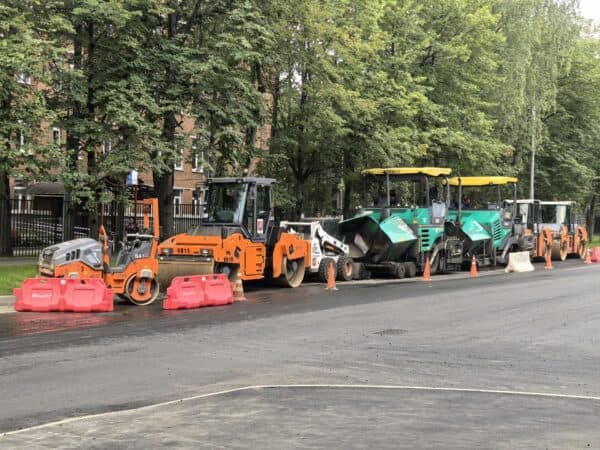
Public works operations around the country are struggling to juggle priorities like costs, consistency of service, and resident satisfaction. One of the best solutions available to them is to use an integrated, digital work order system.
But how do these systems work? And how can you get the most value out of them?
Why Traditional Workflows Struggle to Keep Up
Manual work order handling often develops organically over time. Let’s say a resident calls about a pothole. Someone logs the request on paper. A supervisor assigns it verbally. Later, another staff member updates a spreadsheet to reflect completion. Each step may function independently, yet collectively they create blind spots. Information can be delayed, duplicated, or lost entirely. Crews may arrive without full context. Administrators may lack clarity on status updates. And residents may follow up repeatedly because they have no visibility into progress. The issue isn’t commitment here; it’s fragmentation. Without a unified system, coordination depends on memory and manual tracking, both of which have limits.
Centralized Intake Brings Immediate Order
Digital work order platforms consolidate incoming requests into a single environment. Whether reports originate from internal staff, resident portals, or mobile submissions, they feed into a shared interface. This consolidation eliminates the ambiguity of scattered communication channels. Staff know where to look, and supervisors can assess incoming workloads at a glance. Prioritization becomes deliberate rather than reactive. When intake is structured, downstream execution improves naturally.
Assignment and Routing Become Strategic
Once requests enter the system, digital tools support intelligent assignment. Supervisors can match tasks to available crews based on skill set, location, or urgency. Routing features help sequence assignments efficiently, reducing unnecessary travel time. Instead of relying solely on intuition, managers make decisions informed by real-time visibility, and adjustments can be made quickly when emergencies arise or conditions change. Better routing doesn’t just save time; it stretches limited resources further without compromising service quality.
Field Mobility Enhances Execution
Modern work order systems extend beyond office desktops. Mobile access allows field personnel to receive assignments, review details, update progress, and document outcomes directly from their devices. This connectivity removes the lag associated with returning to the office for updates; crews remain informed, and supervisors maintain awareness of progress without interrupting operations. Work happens where it should (in the field) while communication flows seamlessly behind the scenes.
Documentation Strengthens Accountability
Digital work order tracking automatically records timelines, actions, and outcomes. This documentation creates a transparent record of activity that supports both operational oversight and public communication. When questions arise about service timelines or resource allocation, departments can respond with clarity rather than estimates. In other words, accountability is built into the process rather than reconstructed afterward.
Data Insights Enable Continuous Improvement
As work orders accumulate, they form a valuable dataset reflecting operational patterns. Trends in response times, workload distribution, and recurring infrastructure issues become visible through analytics tools. Departments can use this information to refine staffing decisions, adjust preventive maintenance schedules, or justify budget allocations. In this way, what once required guesswork becomes a path to informed planning.
Reducing Administrative Friction
Handling work orders manually often consumes disproportionate administrative effort. Logging requests, relaying assignments, and reconciling updates require time that could be better spent on oversight or planning. Automation reduces these repetitive tasks; status updates flow automatically, and records synchronize across systems. Administrative staff regain bandwidth for more strategic contributions.
Improving Communication With Residents
Public works operations are highly visible, and resident expectations for transparency continue to grow. Digital work order platforms often integrate communication features that allow status tracking or notifications. Providing visibility into progress reassures residents that their concerns are acknowledged and addressed. Even when timelines extend, transparency maintains trust from the public.
Supporting Cross-Department Collaboration
Infrastructure issues frequently intersect across departments. A road repair may involve utilities, permitting, or traffic management. Digital work order systems facilitate coordination by allowing shared visibility across teams. Collaborative awareness reduces duplication and ensures that actions align, encouraging departments to operate as connected units rather than isolated functions.
Adapting to Emergencies and Surges
Unexpected events test your operational resilience. For example, storm damage, equipment failures, or seasonal demands can strain coordination capacity. Digital systems provide adaptability under pressure. Supervisors can reprioritize tasks quickly, redistribute assignments, and monitor progress continuously, and this agility helps maintain control during unpredictable circumstances.
From Reaction to Coordination
Public works departments play a foundational role in community wellbeing. Roads, utilities, and infrastructure must function reliably, and the processes supporting them should reflect that importance. Digital work order systems replace fragmented coordination with intentional structure; by centralizing information, supporting mobility, and generating insight, they allow municipalities to move beyond reactive management toward proactive (and better) service delivery.