 Gearfuse Technology, Science, Culture & More
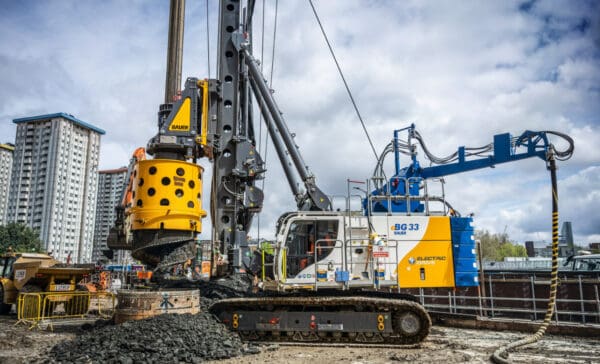
Mining contributes approximately 13 per cent to Australia’s overall GDP. The country is a significant producer of various minerals, including iron ore, coal, bauxite, gold, and base metals such as copper, zinc, and nickel. As Australia moves towards sustainable energy, lower emissions targets, and advanced technologies, its prominence in lithium, liquefied natural gas, and rare earth elements has also increased. The mining sector encompasses thousands of operations, with Western Australia, Queensland, and New South Wales generating the majority of the industry’s earnings.
Drilling and Boring: An Essential Stage in Mining and Mineral Extraction
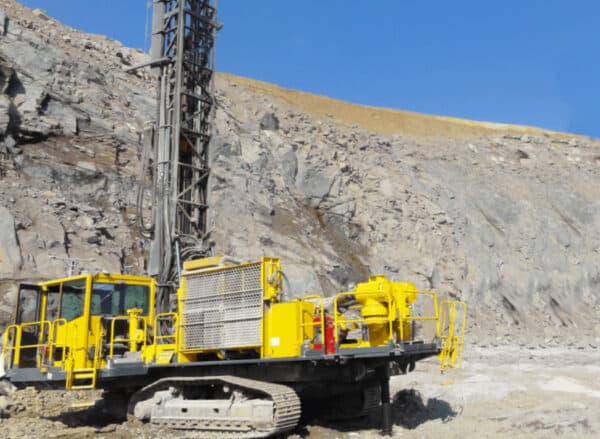
Drilling, or rock penetration, and boring, or enlarging existing holes, are fundamental to every mining operation, creating precision openings for easier access to minerals. Both processes are utilised in the early stages of mining exploration to collect core samples, analyse mineral content, assess rock types and the geological structure of potential mining sites at larger depths.
In the extraction stage, drilling and boring tools and machinery create boreholes for simplified access to proven mineral deposits, the placement and use of explosives to further break up rock, and the safety and efficiency with specialised tools such as directional (or horizontal) hydraulic drilling rigs when installing underground infrastructure or creating safe access and exit points for miners. Besides increased safety, the advancements in current drilling and boring mining equipment have increased efficiency, enabled higher precision, and, with rising automation, higher yields.
Common Processes
- Auger Drilling: This process uses a rotating helical screw (auger) to bore into the ground, often in initial exploration in softer soils, or as a surface coal mining technique to bore horizontal holes in inaccessible coal seams. Outside of mining and quarrying, its uses include groundwater inspection and assessing soil structures in construction.
- Rotary Air Blasting: A common shallow drilling method, rotary air blasting uses a piston-driven hammering tool to drive a drill bit to break up rock. This fragments rock into chips, which are then lifted with compressed air to the surface. The technique is widespread in large-scale open-pit mining, often creating multiple boreholes in a short period of time.
- Aircore Drilling: A type of drilling used in early mineral exploration, with a three-bladed drill bit and hollow drill rod paired with a dual tube system. Compressed air is blasted through the drill rod, with another tube collecting fragments. The process is more precise than rotary air blasting, due to lower contamination.
- Percussion: This drilling method uses a heavy-duty drill bit that is repeatedly hammered into rock, breaking it into smaller pieces. The method is suitable for harder rock formations and boring to greater depths. A combination of rotary air blasting and percussion drilling is percussive rotatry air blasting (or reverse circulation drilling) – suitable for multiple rock types, at decent depths and with improved samples.
- Blast Hole Drilling: This method creates holes for explosive charges. Once fragmented rock is cleared, there’s easier access to higher content mineral ore. The method is widespread in quarrying and open-pit mining. The process is also common in construction for tunnelling, road construction and excavation.
- Diamond-core: Geology analysis and mineral sampling in exploration phases utilise diamond-encrusted drill bits to break up rock and harder soils and extract samples. The process is precise and efficient.
- Directional Drilling: Key for underground mining operations, directional drilling creates horizontal or angled boreholes, improving access, flexibility and precision.
Key Drilling Equipment Used in Mining
Drills and drilling equipment have evolved to meet different demands. Consider features, drilling direction and drilling depth as key buying factors. The machines also differ in size and scope, offering cost-effective use in open-pit and quarry mining or underground operations. Key types include:
Drill Rigs
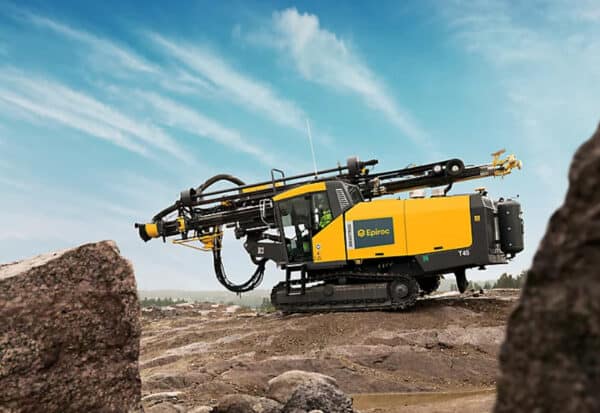
This is heavy-duty equipment used to sample surface deposits, test rock and soils, create blast holes for explosives, and create supporting structures in underground operations. Surface drill rigs are found in open-pit mines and quarries, often mounted onto other machinery. They’re more common, considering most coal and iron ore mines are open pit. Underground rigs or ‘jumbos’ are designed for low seams, drilling through hard and soft rock formations, and are staples in tunelling. Based on operation, they are divided into:
- Rotary drills – these rotate drill bits while exerting downward pressure. They create large boreholes. Common types are rotary blasthole rigs for creating holes intended for explosives and rotary core drills for extracting mineral samples.
- Top hammer drill rigs – effective for harder rock formations, these drilling rigs are usually powered by hydraulic-driven hammers. They create smaller boreholes but are more effective at larger depths. Typical top hammer varieties are surface top hammer rigs in open pit mining, longhole rigs for ore recovery in underground mines and down-the-hole drills for medium to deep holes in hard rock and with hammers located at the bits.
Both types are used in surface and underground mining. For underground mines, consider the following drilling rigs:
- Face drilling rigs – these excavate horizontal drifts in mines. Besides mining, they’re extensively used for drilling road and railway tunnels, for water and electricity infrastructure, quarrying and demolition work. Newer versions are fully automated.
- Rock support- these rigs are used to install rock bolts to reinforce tunnel walls and roofs, preventing the risk of collapse, thus ensuring safe working conditions.
- Low profile- ideal for underground mines with limited height. They’re common in high-concentration narrow vein mines (with widths of 3 to 6 metres).
Drilling Rods and Bits
Rods are the drilling boring components that transmit the energy from the drill or prime mover to the bits that fragment the rock. Most are cylindrical and commonly made of steel. Other varieties are wireline drill rods (used in sample retrieval), diamond rods for hard rock, helical rods for soft soils and soil extraction, and extension rods when drilling and boring to greater depths.
Bits are the business end of any drilling operation. These differ in design (cutter types and sizes), materials and intended usage, depending largely on the hardness and abrasiveness of the drilled rock formation. Common types are Polycrystalline Diamond Compact (PDC) bits for hard rock, tungsten carbide button bits for high efficiency and good rock penetration and drag bits for softer and shallower surfaces.
Factors to Consider When Selecting the Right Drilling Equipment
Choosing carefully selected mining and drilling equipment boosts productivity with easier access to content-rich mineral resources, ensures precision and operating efficiency and reduces operating costs with lower maintenance needs, parts wear and labour costs. Drill rigs, rods and bits also impact safety, general working conditions, and reduce waste.
Source drilling and boring equipment based on the hardness, depth and type of rock; the scope and budget requirements of your project; whether you’re drilling in surface or underground mines, and how important sustainable mining practices are in terms of dust, noise and surface disturbance. The right equipment and drilling methods can significantly increase productivity, with reduced costs and enhanced mineral recovery.