 Gearfuse Technology, Science, Culture & More
So your phone is buzzing again with an area code or number you don’t recognize? Often, more than ever, we have all walked into this trap set out by scammers. With the passing time, scam calls have become more crafty and harder to detect.
Nowadays, these scam numbers may call you multiple times. DO NOT CALL THEM BACK. Returning the call may cost you thousands of dollars, as that innocent-looking number may actually be one of the many spam area codes that scammers are currently using to trick you into calling premium international phone numbers.
This scam has existed for many years, evolving over the decades to stay one step ahead of awareness. We are seeing it again today in another iteration – and it is shocking how many people still fall into this trap. Let’s discuss how this scam works, what numbers are safe to ignore, and how to stay safe overall.
What Is The Spam Area Code Scam?
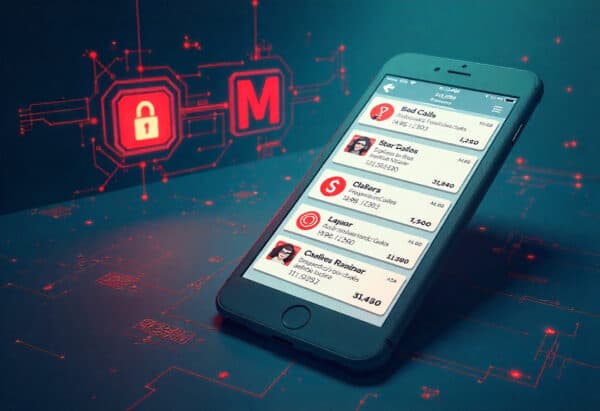
This scheme is popularly called the 473 Scam, or the Ring and Run Scam. Scammers use certain international numbers that may seem like a normal U.S. or Canadian number. However, when you call or text them back, you’re hit with a hefty international or premium-rate charge.
Here is how it happens:
1. The Curiosity Trigger
Your phone rings once or twice, sometimes multiple times, and then it stops. Humans tend to become curious, and the normal response would be to call back to check. This is exactly what scammers want.
2. Emotional Manipulation
Now, let’s suppose you actually manage to accept the call in the split second, then the scam takes a different turn. You may hear a recording of someone crying for help, faking an emergency, or pretending to be someone from law enforcement. The goal? To make sure you call them back by some excuse.
3. The Text Trap
Scammers may also use text messages that sound really urgent. Something like, “Help! I am in danger. ASAP!!!”
This also has the same goal: to make you call them.
Five Area Codes You Should Never Answer
What Is The Meaning Behind The 473 Scam?
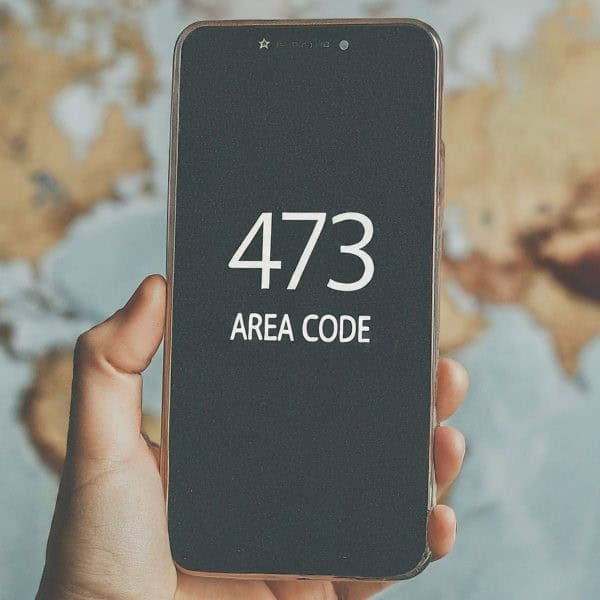
The phrase “473 scam” refers to the practice of criminals using caller IDs with the area code 473, which looks to be domestic but is actually the area code for the island of Grenada and a number of other non-US territories that utilize country code +1, similar to the US. International calls to 473 numbers are usually not covered by calling plans and can result in hefty bills. Additionally, the crooks behind 473 scams frequently create premium numbers, which are comparable to the 900 numbers that were common in the US prior to the internet.
Sometimes the first minute of a call to such numbers costs more than $20! (In actuality, similar scams were conducted from within the United States a few decades ago. The scammers would send messages to people’s pagers (do you remember those?) paging them from premium numbers in the hopes that the victims would return the calls and be billed for them.
Why You Should Not Call Back?
The danger doesn’t happen with an incoming call; it happens when you call back. Scammers are often setting up premium-rate phone numbers, similar to the 900 numbers of the amber pre-internet era.
- A phone call could be $20 for the first minute
- Every additional minute may add more charges
- Texting back may also incur premium fees.
Because these numbers use the +1 country code (which is shared by the US, Canada, and many Caribbean countries), they appear deceptively “domestic”. This is what made these spam area codes so dangerous.
Is 833 a Legitimate Area Code?
Spam Area Codes to Avoid
Here’s a list of international area codes that scammers often use. They look like U.S. numbers but are actually international:
- 242 — Bahamas
- 246 — Barbados
- 264 — Anguilla
- 268 — Antigua
- 284 — British Virgin Islands
- 345 — Cayman Islands
- 441 — Bermuda
- 473 — Grenada, Carriacou, Petite Martinique
- 649 — Turks and Caicos
- 664 — Montserrat
- 721 — Sint Maarten
- 758 — St. Lucia
- 767 — Dominica
- 784 — St. Vincent and Grenadines
- 809, 829, 849 — Dominican Republic
- 868 — Trinidad and Tobago
- 869 — St. Kitts and Nevis
- 876 — Jamaica
U.S. Territories That Can Trip You Up
These numbers are within the US Territories; however, not all of these phone plans are covered as domestic calls. Calling them back means an unexpected tariff.
- American Samoa — 684
- Guam — 671
- Northern Mariana Islands — 670
- Puerto Rico — 787, 939
- U.S. Virgin Islands — 340
Canadian Numbers to Watch
Canada is part of the +1 country code, making it vulnerable. Keep out of certain numbers, such as 976, which result in premium-rate charges.
Examples include:
- Alberta — 403, 587, 780
- British Columbia — 236, 250, 604, 778
- Ontario — 226, 249, 289, 416, 437, 519, 647, 705, 807, 905, etc.
- Quebec — 418, 438, 450, 514, 579, 581, 819, 873
- Nationwide premium numbers — 600, 976
Why This Scam Works?
So why does this old trick keep working, even in an era when everyone has heard of phone scams? The answer is in basic human psychology.
First, there is the curiosity bias – many of us simply cannot stand not knowing who tried to contact us. A missed call is unfinished business, and our minds will do anything to resolve that nagging feeling.
Then comes fear, which is an even more potent response. When scammers use recordings of someone practically crying for help or pretending to be a doctor or police officer, they play to our instinct to protect others from potential harm – it is almost impossible to ignore.
And, on top of that familiar fear, there is fear of missing out (FOMO) – what if that missed call was someone offering you a job, or a bank trying to reach you about your account, or even a relative who was in trouble?
These emotional responses- curiosity, fear, FOMO – can override rational thinking, and scammers are aware of these factors. This is why the one-ring scam (and its variations) is still able to work so well today. They prey not only on our money, but on our brains.
How To Save Yourself From Spam Calls?
The good news? Protecting yourself from spam area codes is simple if you know the signs.
- Don’t Call Back Unknown Numbers – If it’s important, they’ll leave a voicemail or text.
- Block Suspicious Numbers – Most smartphones allow one-click blocking.
- Google the Number First – A quick search often reveals whether others have flagged it as spam.
- Enable Spam Protection Apps – Services like Hiya, Truecaller, or your carrier’s spam blocker help.
- Check Your Phone Bill – Look for unusual charges if you accidentally returned a suspicious call.
Conclusion
The next time you get a mysterious missed call from some strange area code and your phone buzzes, remember this: if it is urgent, they’ll either leave a message or call you back. No one who is truly in distress is going to call you randomly from Grenada or Antigua. They are probably just a scammer who is waiting for you to call back to make some money from your curiosity.
When in doubt, don’t call back. Don’t text back. Just block and move on. Because at the end of the day, the best way to combat spam area codes is one simple habit: ignore the ring.