 Gearfuse Technology, Science, Culture & More
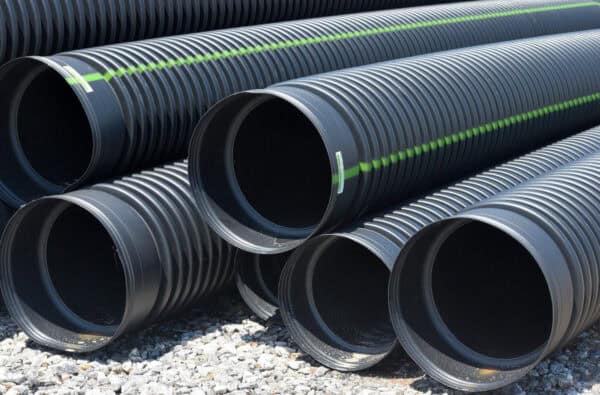
Upgrading an infrastructure system requires choosing materials that stand up to heavy pressure, harsh weather, and shifting ground. Traditional metal or concrete options often fall short, leading to leaks, breaks, and expensive repairs. Modern projects need an option that combines strength with flexibility.
High-density polyethylene piping networks provide a reliable answer for municipal, industrial, and agricultural projects. These systems change how engineers plan and build infrastructure by offering durability that old materials cannot match. Selecting the right setup saves money on maintenance and protects surrounding environments from hazardous leaks or line breaks.
Continue reading to discover everything you need to know!
Industrial Strength and Fluid Management
Industrial operations move aggressive chemical fluids that destroy standard piping materials. Using a high density polyethylene pipe system keeps hazardous materials contained safely. A polymer science expert highlighted that these units offer incredible resistance to wear, making them ideal for tough conditions.
They do not rust or corrode when exposed to harsh chemicals, acids, or treated wastewater. This specialized build quality keeps fluids flowing smoothly for decades without degrading the structural wall of the pipe.
Engineers rely on this resilience to prevent environmental contamination in sensitive mining or manufacturing zones. Industry studies show that this chemical resistance extends their operational life, with systems lasting over 50 years when properly installed. This longevity means fewer replacements, lower capital expenditures, and less operational disruption for heavy industries.
Flexible Installation Options
Heavy construction equipment creates logistical challenges and drives up labor costs on every municipal job site. Traditional metal or concrete alternatives are heavy, making them difficult to transport, carry, and place. High-density polyethylene pipe systems reduce these logistical headaches because they weigh much less than older market alternatives.
Contractors can complete complex utility layouts with smaller crews and less heavy machinery on site. Workers load and move lightweight segments with smaller machinery to reduce on-site fuel usage. Teams complete installations up to 30% faster than they would using old-school metal alternatives.
Flexible lines bend around underground obstacles easily, reducing the need for extra directional fittings. Fewer joints mean fewer potential leak points across the municipal network. Crews save valuable hours during the initial setup while building a more reliable system.
Smart Environmental Impact
Modern infrastructure planning requires looking at long-term sustainability alongside project budgets. A comprehensive life cycle analysis showed that corrugated polyethylene drainage options create 59% lower global warming potential than reinforced concrete alternatives. Choosing these systems helps organizations meet strict environmental standards without sacrificing raw performance.
Using trenchless installation methods like horizontal directional drilling further reduces the carbon footprint of a project. Research shows that this trenchless method cuts CO2 emissions by more than two-thirds compared to traditional open-cut digging. It preserves the surrounding landscape while keeping local traffic moving normally.
Reliable Thermal Performance
Outdoor installations face massive temperature swings from freezing winters to scorching summers. A technical publication notes that these lines operate across a wide temperature range, generally from -40°C to 60°C. This thermal stamina prevents the material from cracking when frozen or warping when hot.
The material expands and contracts safely during seasonal weather shifts. This flexibility protects the system from bursting under sudden thermal pressure changes. Municipalities can rely on these lines in extreme climates without worrying about seasonal line breaks.
Low Failure Rates
Water loss from cracked utility lines costs cities millions of dollars every single year. Statistical tracking reveals that the failure rate for these polyethylene options is incredibly low, sitting at just one in 10 million compared to one in 48,650 for PVC. This massive statistical difference highlights the superior durability of fused joints.
Heat-fused joints merge separate segments into a single continuous line. The joint area becomes as strong as the pipe itself, preventing pull-outs under pressure. Seamless lines resist tree root intrusion, which frequently destroys older utility grids.
Fewer maintenance visits mean lower operational costs for utility departments. Money saved on emergency repairs can go toward other community improvements.
Minimal Long-Term Maintenance
Tight municipal budgets require infrastructure assets that do not demand constant attention. Global drainage guides show that the average service life of these systems goes past 50 years while requiring virtually no maintenance. The smooth interior surface prevents scale buildup, keeping water flowing at full pressure.
High flow efficiency means pumps do not have to work as hard to move fluids. This efficiency lowers energy consumption across the entire life of the system. Operators spend less time flushing lines and more time managing resources effectively.
Superior Surge Pressure Management
Water hammer occurs when fluid velocity changes rapidly, causing sudden pressure spikes that smash brittle pipe walls. Polyethylene lines absorb these shocks because the material behaves elastically under sudden stress. The flexible walls can expand slightly to accommodate sudden pressure changes without cracking or splitting open, and this property is especially valuable in municipal water distribution networks where valves open and close constantly.
Engineers can design systems with lower safety margins because the material manages stress naturally. This capability reduces the need for expensive surge tanks or pressure relief valves. The pipeline remains stable during unexpected power outages or sudden pump shutdowns.
Long-Term Financial Value
When evaluating piping materials, decision-makers must look beyond the initial purchase price. The total cost of ownership for these flexible networks remains remarkably low due to the lack of replacement needs. Municipalities avoid the expensive emergency repair cycles that plague older cities.
Less digging means less damage to roads, sidewalks, and surrounding landscaping. Reduced labor costs during installation, combined with decades of maintenance-free service, create a highly efficient investment. Water departments can reallocate their budgets toward expanding service rather than patching old, weeping joints, and this financial predictability makes project planning much simpler for local governments.
Adaptability to Ground Shifting
Earthquakes, soil erosion, and seasonal freezing cause underground soil to shift constantly. Brittle pipe networks crack instantly when the surrounding earth moves even a few centimeters. Polyethylene systems tolerate significant ground movement without losing joint integrity or cracking along the main barrel.
This resilience makes them popular in active seismic zones and unstable river crossings. The lines flex and travel with the shifting soil instead of fighting against it. This capability keeps critical water and gas supplies flowing during natural disasters when communities need utility support the most.
Invest in Durable and Reliable HDPE Piping
Investing in high-quality piping systems sets a strong foundation for future growth. Choosing durable, flexible, and eco-friendly materials ensures clean water delivery and safe waste management for decades. Upgrading to modern plumbing technology protects public health while keeping local budgets balanced.
Make sure to check out the rest of our articles!