 Gearfuse Technology, Science, Culture & More
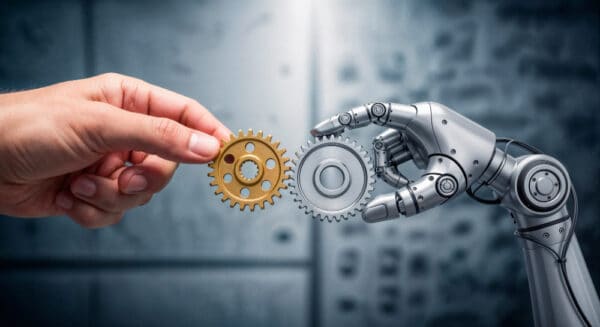
Automation is taking over just about every industry at a rapid pace, and in warehouses and manufacturing, it’s becoming a standard. Whether it’s an AI-directed assembly line, an autonomous forklift, or a warehouse powered by robots, companies are trying to automate everything possible.
But there’s a problem. Building smarter machines doesn’t automatically make a workplace safe. Automation can reduce some injuries, like overexertion and dangerous tasks, but it can also increase other types of injury.
The businesses thriving in this new, automated space are the ones working safety into their culture, even at the level of automation. The future will belong to those who treat safety as a competitive advantage rather than an afterthought.
Automation doesn’t eliminate risk
Automation is convenient, but it shifts risk rather than eliminating it. Companies that assume automation equals more safety are setting themselves up for disaster. Instead of keeping workers safe while lifting boxes, companies have to figure out a plan for workers who interact with a robotic arm that weighs more than a motorcycle. Instead of managing safety for workers who operate a press, those same workers are walking around among autonomous machines that can see humans as obstacles.
New technology requires new safety rules. A robot isn’t dangerous in the same way a spinning blade is dangerous, but if a team doesn’t understand how robotic sensors behave, risk can skyrocket. Safety programs need to evolve to include robotics-specific protocols and training. And establishing a structured safety framework early prevents costly incidents later.
Autonomous systems still need human judgment
No matter how good they are at doing their main job, machines can’t anticipate when humans will make a mistake and walk in the wrong zone or misinterpret automated behavior. Safety systems need to account for human unpredictability and ensure workers understand automated workflows at the same time.
Maintenance work is riskier with automation
Automated systems need specialized maintenance, which can expose technicians to electrical hazards, high-torque machinery, and robotic movement zones. This increases the importance of having enhanced lockout/tagout training and hazard anticipation.
AI sensors improve safety when used correctly
Replacing manual tasks with AI systems can work wonders, but only when sensors are installed and operated correctly. Without proper configuration and oversight, AI sensors can end up being just another loud, annoying alarm.
AI-powered predictive analytics can flag equipment failure, unsafe behavior, and fatigue patterns before accidents occur, but only if someone is trained to interpret and act on those insights. Workers need to be fluent in AI to turn alerts into action.
Where autonomous machines and equipment are concerned, AI sensors can prevent collisions and enable geofencing to prevent accidents, but workers need to understand safety zones and not override warnings out of convenience.
Companies that use AI-powered predictive analytics for safety typically see a 40% drop in reported safety incidents. AI can catch what humans miss, but only when humans understand how to work with (and interpret) AI.
AI integration requires upskilling
Throwing new technology at workers without training is always a bad idea. They need proper training and likely upskilling that blends safety knowledge with AI literacy. Technicians need to learn everything possible about the AI systems in place, including motion paths and emergency protocols.
This is easy to accomplish with simple video training modules and even VR training. When combined with scenario-based quizzes, AI training will be far more effective than forcing people to read boring manuals stuffed in binders. Since people don’t always remember procedures under stress without practice, training should include simulated lockout failures and emergency stops. In fact, research shows that VR-based training improves protocol retention by over 76% compared to traditional methods.
Compliance alone isn’t a safety strategy
Many companies implement automation and think that being compliant makes their workforce safer. It’s not true. Compliance is a bare minimum for legal operation, not an indicator of safety. Meeting OSHA requirements alone won’t prevent injuries. True safety comes from building a workplace culture that focuses on safety, proper design, and leadership. In every industry, proactive safety beats reactive compliance. Organizations that prioritize developing a culture of safety see higher levels of productivity, better morale, and higher employee retention rates.
The future will belong to companies that innovate safely
Automation is wonderful, but without proper safety protocols, it becomes a liability. Autonomous tech isn’t replacing people entirely, and humans and robots are working together to meet productivity goals. This means companies must evolve their safety programs to address the new risks that come with automation and continuously train workers so humans and machines can operate safely and effectively alongside one another.