 Gearfuse Technology, Science, Culture & More
What if you could bring your product idea to life in days instead of months?
Rapid prototyping services make this possible by turning concepts into tangible models quickly and efficiently. They help designers and businesses test ideas, refine features, and speed up the journey from sketch to market-ready product.
Whether you need a simple mock-up or a functional prototype, these services cut time, reduce costs, and give you the confidence to move forward.
Ready to transform your idea into a working prototype? Let’s explore how rapid prototyping can accelerate your product design process.
What Is Rapid Prototyping?
Rapid prototyping is the process of creating a model of a product in a short amount of time. These models are usually made using digital design tools and advanced machines.
The goal is to create a physical version of an idea that can be tested and adjusted before full production begins. This method reduces risks and helps teams see how a product will look and work in the real world.
Benefits of Rapid Prototyping Services
One of the biggest benefits of rapid prototyping is speed. Designers can move from a digital concept to a physical model in just a few days. This quick turnaround allows teams to test different versions of a product without waiting weeks or months.
Another benefit is cost savings. By testing designs early, companies can avoid expensive mistakes later in production. Rapid prototyping also improves communication.
A physical model makes it easier for team members, investors, and clients to understand the design. It helps everyone see the same vision and provide useful feedback.
Common Methods Used in Prototyping
There are several methods used in rapid prototyping. One popular option is 3D printing services, which allow complex shapes to be built layer by layer. This method is great for detailed designs and small production runs.
CNC machining is another option. It involves cutting material into the desired shape with precision machines. This method works well when strength and durability are needed in the prototype.
Vacuum casting is often used to create multiple copies of a prototype. It uses molds to produce parts that look and feel like final products. Each method has unique advantages, and the right one depends on the design goals.
Applications in Different Industries
Rapid prototyping services are useful across many industries. In the automotive field, they help engineers test car parts and improve safety. In healthcare, prototypes are used to design medical devices and even custom implants. The technology also supports consumer electronics by helping companies build and test new gadgets.
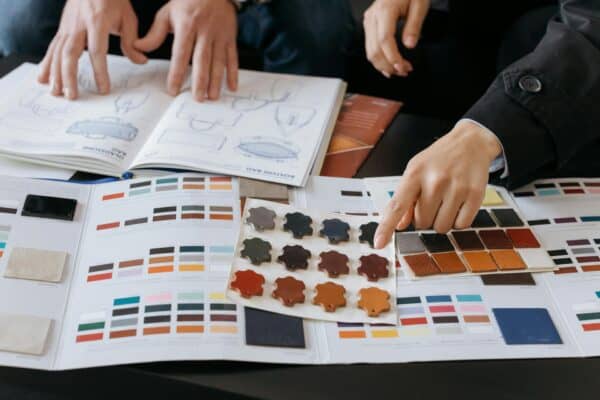
Fashion and furniture industries also rely on prototyping to create products with better designs and features. This wide range of applications shows how flexible and valuable these services are.
How Rapid Prototyping Supports Innovation
Innovation often depends on the ability to experiment quickly. Rapid prototyping makes this possible by allowing companies to test bold ideas without major risks.
Teams can see what works, what needs improvement, and what should be changed. This cycle of testing and refining leads to better products and faster progress. It also encourages creativity because designers know they can test ideas without wasting time or resources.
All About Rapid Prototyping Services
Rapid prototyping services have become an essential tool for product design. They reduce time, cut costs, and help teams turn ideas into reality. With different methods available, businesses can choose the right approach for their projects.
By supporting faster testing and better collaboration, these services play a key role in modern innovation.
If you’d like to learn more, check out more articles on our blog.