 Gearfuse Technology, Science, Culture & More
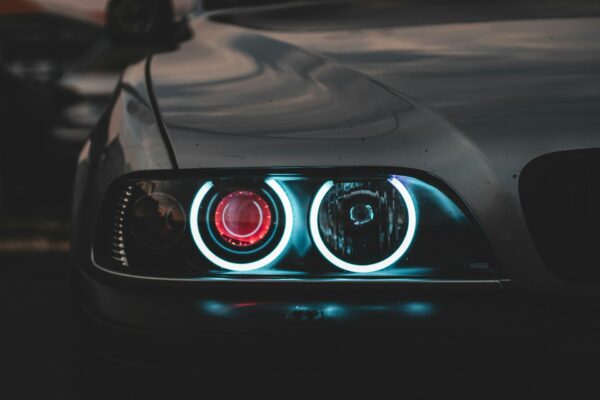
Night driving tends to reveal what daylight hides. Poor headlights, uneven spill, and dull factory beams can turn a familiar road into something less forgiving. That is where lighting upgrades start to feel less like a cosmetic choice and more like a practical adjustment to how a vehicle is actually used.
Some drivers first look into upgrading car lights after a close call. Others simply get tired of straining their eyes on long stretches of dark road. Either way, the shift usually begins with the realisation that better visibility changes how confidently a car is driven. Before diving into options, it is worth stepping back a little. Not every upgrade behaves the same on the road, and not every solution suits every housing or driving environment.
How Different Lighting Technologies Shape Road Visibility
Halogen, HID, and LED systems each approach illumination in their own way. Halogen remains the most common in older vehicles, largely because of cost and simplicity. The output, though, often feels dated now. A warmer glow, softer edges, and limited reach at speed.
LEDs changed the expectation entirely. They switch on instantly and deliver a cleaner, more controlled beam. Energy use drops as well, which is why many newer vehicles lean heavily in that direction. HID setups sit somewhere in the middle, offering strong long-range projection, though they take a moment to reach full brightness.
Choice here is rarely just about brightness. It becomes a question of beam control, response time, and how the light interacts with the road surface in real conditions.
Beam Patterns And Legal Compliance
A brighter bulb does not automatically mean better visibility. That tends to surprise people at first. Much depends on how the light is shaped once it leaves the housing. Reflector and projector designs are tuned for specific sources. Swap the source without considering the optics, and the result can scatter light in unintended directions. Oncoming traffic feels it first.
That is why properly designed assemblies or compliant retrofit kits matter. A sharp cutoff line keeps illumination where it belongs, on the road, not in someone else’s mirrors. Small detail, big difference in real-world driving. There is also a legal side to this. Roadworthy standards are strict for a reason, and poor beam patterns are one of the fastest ways to fail compliance checks.
Auxiliary Lighting for Off-Road and Touring
Out beyond city limits, factory headlights start to feel narrow. Rural roads, unsealed tracks, and long-distance touring expose those limits quickly. This is where auxiliary setups come in. Light bars and driving lamps extend the visible field, pushing illumination further ahead and wider across the verge. Animals, bends, and loose gravel become easier to read before they reach the bonnet line.
Beam pattern choice matters here too. Spot beams stretch distance, while flood patterns open up peripheral vision. A combination setup often feels more balanced for mixed driving conditions, especially when road types change within a single trip. Mounting position and alignment also deserve attention. Poorly aimed auxiliary lights can cause glare or leave dark patches right where you need clarity most.
Colour Temperature and Visibility in Bad Weather
Light colour influences perception more than most expect. High Kelvin ratings can look modern, almost clinical, but they are not always practical in poor weather. Rain and fog tend to scatter cooler tones, which reduces clarity. A neutral white output around the mid-range often performs better because contrast remains more stable against wet surfaces.
In contrast, selective yellow tends to hold its ground in dust or heavy mist, where glare becomes a problem. It is rarely about chasing the brightest or bluest output. It comes back to how the light behaves when conditions turn unpredictable.
Final Thoughts
Good lighting changes the entire rhythm of night driving. Not in a flashy way, but in the quiet confidence it brings when the road ahead is clearly defined.
Choosing carefully matters more than chasing specifications on a box. When the setup matches the housing, the beam pattern, and the actual driving environment, the result feels less like an upgrade and more like the car finally seeing properly.