 Gearfuse Technology, Science, Culture & More
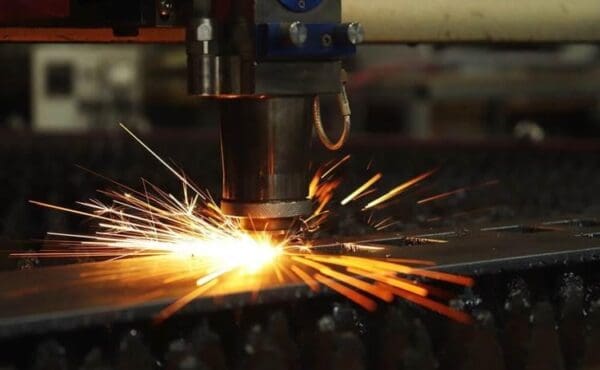
Could a well-designed product fail because it is hard to make? Product design engineering must consider more than how a product looks or works because each part must also be practical to build, test, assemble, and repair. Small choices in shape, materials, parts, and tools can affect cost, quality, and production time.
Teams that plan for manufacturing early can avoid many costly changes later and move from a working idea to a product ready for the factory. In this guide, you will learn simple ways to improve manufacturability, reduce risk, and create designs that support smooth production from the start.
Design With Manufacturing In Mind
A product should be designed with the factory in mind from the start. Engineers should review how each part will be made and tested. Simple shapes can make production faster, reduce waste, and simplify work.
Material choice also affects how easy a product is to make. Teams should compare strength, cost, supply, and tools. Common materials can also make sourcing easier and support production.
Use CAD To Improve Product Design
CAD tools help teams see how parts will fit before physical samples are made. A CAD model can show tight areas and fit problems. Teams can fix these issues before production begins.
Good CAD work also helps design and production teams review the same model. They can check sizes, fasteners, and assembly steps. This can reduce errors and keep information clear as the design moves toward production.
Build And Test Early Prototypes
Prototyping helps teams test a design before full production begins. A prototype can reveal fit, strength, or assembly problems. Early testing helps prevent costly factory changes and rework.
Different prototyping methods can test different needs during development. A simple model may test size, while a working model can test load. Test results should guide each new design version safely.
Plan For Simple Assembly
A product with fewer parts is often easier to build and check. Standard fasteners and clear part locations can reduce assembly time. The design should also give workers or machines easy access during each assembly step.
Assembly planning should begin before production starts. Teams can review each step and find parts that are hard to hold or inspect. This can help reduce defects, delays, extra labor, and waste.
Improve Manufacturability With Expert Support
Some teams need support when moving from concepts to production-ready hardware. Specialists can connect product design, CAD, prototyping, and manufacturability reviews. For outside help, product design engineering services can support key development stages.
The goal is a product that works and can be made well. Teams should review costs, materials, processes, testing, and supply risks as design develops. Early teamwork can make production planning clearer.
Turn Better Design Into Production
Product design engineering helps teams create hardware that is easier to make, test, and support. Good CAD models, early prototypes, simple assembly, smart materials, and clear production planning can lower risk and prevent late changes. When engineers think about manufacturing from the start, they can build products that meet user needs and fit factory limits.
These steps can control cost, improve quality, and prepare for launch. With a practical design process, your team can move from concept to production with planning.
Did this guide help you? Browse the rest of this section for more advice on a variety of topics.