 Gearfuse Technology, Science, Culture & More
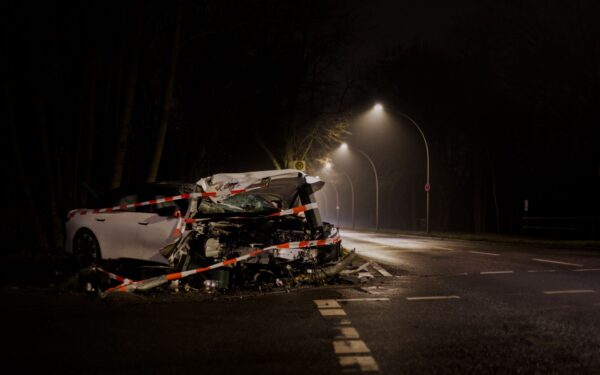
When people picture the future of driving, they picture the car doing the hard part. Lane-keep assist nudging you back into your lane. Automatic emergency braking catching what you missed. Adaptive cruise thinking three cars ahead.
It’s easy to assume all that silicon has made the messy human parts of a wreck obsolete too.
It hasn’t. The moment after impact still looks a lot like it did in 1995: shaky hands, adrenaline, a stranger asking if you’re okay, and a phone you’re not sure how to use yet.
So what does a tech-literate driver actually do in that first hour?
Driver-Assist Isn’t a Safety Net for What Happens Next
Advanced driver-assistance systems are genuinely good at preventing certain crashes. They’re not good at anything that happens after one. The sensors don’t know who was at fault.
The infotainment screen won’t file your claim. Your car may log telemetry, but nothing about that data walks itself over to you when you need it.
And distraction still beats the tech more often than the tech catches it. NHTSA data put the total economic cost of U.S. motor vehicle crashes at $340 billion in 2019, with $98 billion of that tied specifically to distracted driving. The lane-departure chime helps. It is not a substitute for a driver whose eyes are on the road.
Treat the First Hour Like a Data-Capture Problem
If you think of a wreck the way an engineer thinks of an incident report, the priorities get simple. Preserve the evidence, timestamp everything, and capture what the environment will forget in twenty minutes.
- Photograph before anything moves. Wide shots of both vehicles in position, mid-range shots of the damage, close-ups of plates, VINs, and any debris field. Skid marks fade. Glass gets swept.
- Grab the metadata. Your phone is already stamping GPS coordinates and time onto every photo. Don’t turn that off. That EXIF data does a lot of work behind the scenes later.
- Record a voice memo. Thirty seconds describing what you remember while it’s fresh beats a written statement you draft three days later from a foggy memory.
- Get witness contact info fast. Witnesses scatter within minutes. A name and a number are enough. You can follow up when you’re not shaking.
- Note the conditions. Weather, lighting, whether a traffic signal was working, whether the other driver’s headlights were on. Small details that carry real weight later.
State insurance departments publish surprisingly clear playbooks for this stage, and the general framework holds well beyond any one state.
The Systems You’re About to Deal With Weren’t Designed for You
Insurance claims processes reward patience and paperwork. They do not reward improvisation. A recorded statement given ten minutes after impact, from the shoulder of a highway, is the kind of thing an adjuster will replay for months.
A few habits protect you:
- Report the crash to your own insurer promptly, but keep the initial account factual and short.
- Decline to give a recorded statement to the other driver’s insurer until you’ve thought it through.
- Save every text, email, and claim number in one folder. Future you will be grateful.
- Track medical symptoms daily, even the ones you’re sure will fade. Soft-tissue injuries love to show up on day four.
If injuries or serious damage are on the table, the math shifts fast. Talking with a personal injury attorney early doesn’t commit you to a lawsuit. It gives you a read on whether the offer coming your way reflects what your claim is actually worth.
Falls, Slips, and the Other Crashes Nobody Photographs
Cars get the headlines, but the same data-capture logic applies to injuries that happen on foot. Falls are the leading cause of injury for adults 65 and older, and roughly one in four older adults reports a fall each year, according to the CDC. Wet floors, broken handrails, and unlit stairwells send a staggering number of people to the ER every year. If it happens to you or a parent, the first hour matters the same way it does after a wreck: photograph the hazard, note who was working, ask for an incident report, and keep the shoes you were wearing.
Tech Helps at the Margins. Judgment Does the Rest
The gadgets in a modern car are meaningful. They shave risk off every trip. But the aftermath of a crash still runs on human decisions made under stress, and the drivers who come out of it well are the ones who treated those first sixty minutes as something to prepare for, not something to react to.
Think of it as firmware for the person behind the wheel. The car has been updated. Update yourself too.