 Gearfuse Technology, Science, Culture & More
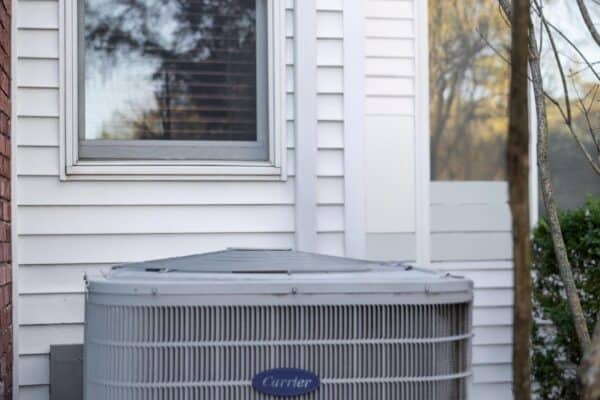
Choosing a cooling system is an important decision, especially when every option promises comfort, efficiency, and long-term savings. The right choice comes down to how your home uses energy, how your climate behaves, and whether you want a system that only cools or one that can support your heating needs too.
While a traditional air conditioner installation removes heat from your home and sends it outside, a heat pump can do that in the summer and reverse the process in cooler weather. That difference can change your energy use, equipment needs, and yearly comfort strategy.
Understand How Each System Works
A traditional central A/C system is designed for one job: cooling your home. It works with your furnace or air handler to move cooled air through your ductwork. When thermostat temperatures drop, your heating system takes over.
A heat pump looks and operates much like an air conditioner in the summer, but it can also provide winter heating by pulling warmth from outdoor air and moving it inside. Modern cold-climate heat pumps can perform well in lower temperatures, although some homes still benefit from backup heat during harsh winters.
Think About Your Climate
In areas with hot summers and mild to moderately cold winters, a heat pump can be an efficient year-round solution. Instead of relying heavily on a furnace, you can use electricity to move heat rather than create it.
In regions with long, bitter winters, a traditional air conditioner paired with a furnace may still make the most sense. However, many homeowners now choose hybrid systems, where a heat pump handles mild winter days and the furnace takes over when temperatures fall below a practical efficiency point.
Compare Energy Use and Operating Costs
That said, operating costs depend on local electricity rates, gas rates, insulation, window quality, duct condition, and thermostat habits. A poorly sealed home can undermine even the most efficient system. Before choosing equipment, it is worth looking at optimizing your home as a whole.
Consider Comfort & Air Quality
Both systems can cool your home effectively when properly sized and installed. Oversized systems may short cycle, leaving rooms humid and uneven. Undersized systems may run constantly without reaching the temperature you want.
Heat pumps often run for longer, steadier cycles, which can improve temperature consistency. Traditional air conditioners can also perform well when matched with the right blower, ductwork, filtration, and humidity control setup.
Look at Upfront Cost and Long-Term Value
A heat pump may cost more upfront than a standard air conditioner, but it can offset part of your heating demand over time. A traditional air conditioner may have a lower initial price, especially if your furnace is newer and still performing well.
The best choice depends on your existing equipment, your budget, and how long you plan to stay in the home.
In Short
There is no universal answer. A heat pump is often a smart fit if you want efficient cooling plus supplemental or primary heating. A traditional air conditioner can be ideal if you already have a reliable furnace and mainly need dependable summer comfort.
Ask for a proper load calculation (not a rough guess based on square footage) from a qualified HVAC professional before your next installation to help you make a more informed decision.