 Gearfuse Technology, Science, Culture & More
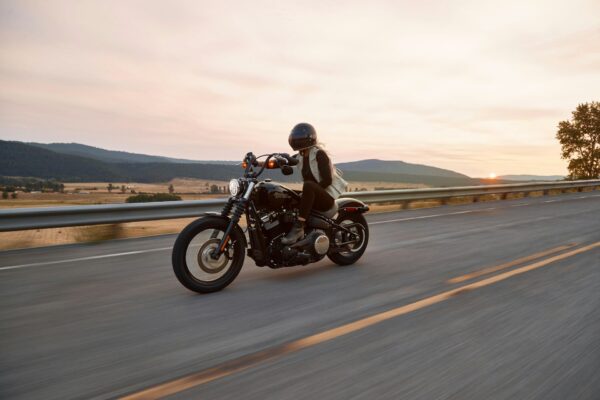
The freedom that comes from getting your first motorcycle is exciting, but you can’t afford to skip safety. When you’re a new rider, you’re going to face unique challenges from moving to a smaller, less visible vehicle compared to a car.
Motorcycles are far less forgiving of mistakes made by you and other drivers on the road. According to stats from the National Highway Traffic Safety Administration (NHTSA), motorcyclists are 22 times more likely to die in a crash and four times more likely to be injured compared to passenger vehicle occupants.
Motorcycle accidents can cause devastating, life-long injuries. While you can’t avoid every collision, developing safe riding habits from day one can dramatically reduce your risk of a crash and help you build skills to ride confidently on the road.
1. Make yourself visible
Never underestimate how invisible you are to cars on the road. Not only are motorcycles smaller and harder to see by default, but you can be completely hidden behind the thin part of a car’s frame that sits between the side window and the front windshield. This is part of the reason cars don’t always see motorcycles coming toward them when the car is turning left.
Always assume you’re completely invisible to other motorists on the road and ride accordingly. Use your headlights at all times, even during the day, to help other drivers notice you sooner. Wear bright clothes with reflective materials day and night. Black looks sleek but colored clothing and a light colored helmet will make you easier to spot in traffic.
It’s critical to stay out of blind spots while you’re riding. Position yourself where drivers can see you in their mirrors, even if traffic is moving at a slow and steady pace. The flow of traffic might feel predictable one minute, but cars can change lanes without warning the minute they see an opening. If you’re in their blind spot, you could get hurt.
2. Wear proper protective gear
Since you don’t have a metal cage surrounding your body, you’re far more susceptible to serious injury in a crash. That’s why you need to wear proper protective gear at all times. Regardless of the law, always wear a quality helmet and durable clothing. It’s tempting to ride in shorts and a t-shirt in summer, but that’s not a smart move. You need gloves and a thick jacket that will protect you from road rash if you’re thrown off your bike.
When riding a motorcycle, eye protection isn’t optional. Wind, debris, bugs, and even rain can impact your vision if your eyes aren’t protected. Having a windshield on your bike is nice, but it’s not as protective as a face shield or goggles. Proper gear won’t prevent every possible injury, but it can significantly reduce the severity of many common motorcycle injuries.
3. Learn to ride defensively
Once you learn how to control your bike, your focus should remain on driving defensively. Being safe on the road is more of a mental game than a physical skillset. To ride defensively, you’ll need to constantly scan your environment to monitor traffic patterns and potential issues. A high level of awareness will give you more time to react if something happens.
When riding, you want to always make yourself aware of an escape route. Note alternative paths you can take at all times in case another driver makes an unexpected move. For example, note gaps in cars around you so you know where you’ll move if the car in front of you stops suddenly.
A key component in defensive driving is creating space around your bike. Maintaining a generous following distance will give you more time to react and make safe decisions. If you haven’t taken a defensive riding course yet, put that at the top of your list.
4. Build your skills
Maybe you learned how to ride in a parking lot with a friend, or perhaps you’ve taken an official motorcycle safety course taught by a skilled instructor. No matter how you learned to ride, it’s important to keep building your skills by practicing and learning proven riding strategies. For instance, if you only practiced emergency braking and swerving in a parking lot while you were learning, start practicing more. You need those emergency braking and safe swerving skills to become muscle memory while you’re on the road.
Prioritizing safety makes it a habit
Motorcycle safety is built through training, proper gear, and regular practice. When you prioritize safety from day one, you’ll develop good habits that make smart decisions automatic, and you’ll build confidence every time you ride.