 Gearfuse Technology, Science, Culture & More

North Carolina’s highways, city streets, rural roads, and fast-growing commuter corridors can turn a single crash into a complicated legal question within moments. When several vehicles, unclear traffic movements, poor visibility, or conflicting driver accounts are involved, injured people may struggle to understand who is truly responsible while also dealing with treatment, missed work, and insurance pressure.
Fault matters especially here because state rules can make even small disputes carry major consequences for a claim. Determining responsibility requires more than accepting the first version of events; it takes careful review of the roadway, timing, vehicle positions, and how each driver’s choices contributed to the collision. A North Carolina car accident lawyer can help sort through those details and protect an injured person from unfair blame. With informed legal guidance, crash victims can pursue accountability with a clearer, stronger foundation for recovery.
The First Review
Most cases begin with a chronology. Lawyers line up emergency calls, officer notes, treatment records, and early photographs to see how the event unfolded minute by minute.
During that first pass, a car accident lawyer may compare each account with debris patterns, impact locations, weather reports, and medical timing. That side-by-side review often reveals whether speed, inattention, an unsafe merge, or delayed braking likely triggered the chain of contact. Small inconsistencies matter here, because one misplaced detail can change how responsibility is assigned.
Scene Evidence Matters
Physical evidence often speaks with more precision than memory. Skid marks can show braking effort, gouges may mark forceful contact, and shattered glass can suggest where the first strike occurred. Lawyers also study lane markings, signal placement, shoulder width, lighting, and rainfall records. Each feature helps frame what a careful driver could reasonably perceive before metal met metal on the roadway.
Police Reports Help, But They Do Not End It
Police reports are important because they record observations made soon after the event. They may include diagrams, witness names, citations, and a short narrative from the officer. Still, that document is a starting point, not the final measure of civil fault. Lawyers compare report entries with photographs, recorded statements, and later testimony before treating any single conclusion as dependable.
Vehicle Damage Tells a Story
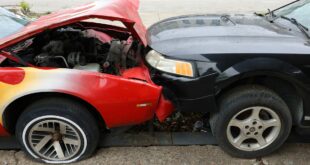
Vehicle damage can reveal sequence, direction, and severity. A crushed rear panel may support one version, while side intrusion or wheel damage may point elsewhere. Transfer paint, bumper height, and airbag deployment add further clues. Lawyers often compare repair estimates with crash images to test whether a driver’s account fits the shape, depth, and location of structural deformation.
Electronic Data Can Fill Gaps
Modern vehicles may store useful data from the seconds before impact. Speed, brake use, steering input, and seat belt status can confirm or contradict a spoken account. Phone activity may also matter where distraction is suspected. If video exists, frame timing from dash cameras, nearby businesses, or intersection systems can help place each movement in reliable order.
Witnesses Add Context
Neutral witnesses can steady a case when drivers disagree about light color, lane position, or sudden movement. Lawyers look for consistency, detail, and independence, not dramatic language. A brief statement from someone with a clear sightline may matter more than a long account filled with uncertainty. Careful interviews also help separate genuine recollection from assumptions formed after the crash.
Multi-Vehicle Crashes Need Segmentation
Chain-reaction collisions resist broad labels. Lawyers usually divide the event into separate phases so each impact can be judged on its facts. One driver may cause the first strike, while another fails to stop and adds new harm seconds later. That segmented method keeps the analysis grounded and reduces the risk that one sweeping theory distorts the entire claim.
Why Sequence Matters
Sequence can decide liability. If an initial hit pushes a vehicle into traffic, later contact may trace back to that first force. If the second impact could have been avoided by another motorist, that missed chance may create separate fault.
Road And Vehicle Defects Also Count
Driver conduct is not the only factor in every case. Worn tires, weak brakes, failed lighting, broken signals, or missing warnings can contribute to a violent event. Lawyers may review maintenance logs, inspection histories, recall notices, and repair records for that reason. In the right case, a public agency, mechanic, or manufacturer may share legal responsibility for the resulting injuries.
North Carolina Rules Raise The Stakes
North Carolina follows contributory negligence, a strict rule with serious consequences. If an injured person is found even slightly at fault, recovery may be barred. That standard gives insurers a strong reason to press weak blame arguments. Lawyers respond by testing each accusation against timing, physics, visibility, and conduct, rather than letting minor facts stretch beyond their actual meaning.
Experts Strengthen Tough Cases
Some collisions need technical interpretation. Reconstruction specialists use measurements, photographs, and engineering analysis to explain speed, angle, force, and movement. Medical experts may help connect a particular injury to one impact in a multi-hit crash. Human factors specialists can address perception and reaction time. Those opinions often matter when raw evidence exists, yet the sequence remains hard to explain plainly.
Conclusion
Complex collisions demand disciplined analysis, because appearances can mislead and early assumptions can harden quickly. Lawyers build fault by connecting roadway evidence, vehicle damage, witness accounts, stored data, and expert opinion into one supported narrative. That process can protect injured people from unfair blame and clarify which act caused which harm. In a state with strict fault rules, careful investigation often makes the difference between recovery and denial.