 Gearfuse Technology, Science, Culture & More
Over the last two decades, cars have evolved dramatically. They have become safer, more connected, more efficient, and more feature-rich than ever before. But while the products themselves have changed, another transformation may have had an even bigger impact—the rise of the internet.
Today, the internet has fundamentally reshaped how people discover, research, compare, and purchase cars. In many ways, the process of buying a car has changed even more rapidly than the cars themselves.
The Earlier Car-Buying Experience
Before widespread internet access, car buying was a far more limited process.
Buyers depended on:
- Dealership visits
- Printed brochures
- Advertisements and television campaigns
- Recommendations from family and friends
Information was harder to access, and comparisons were often based on perception rather than detailed analysis.
The dealership acted as the primary source of knowledge.
The Internet Changed Access to Information
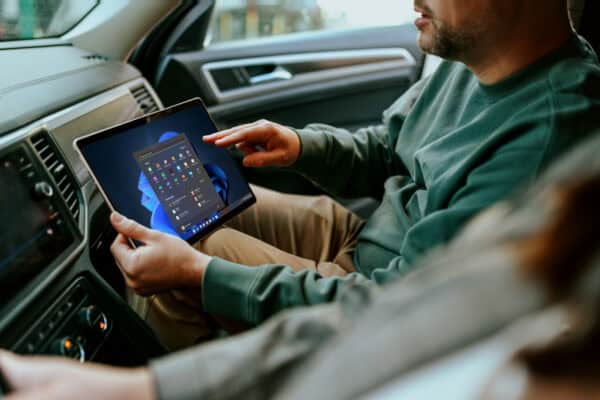
The biggest shift brought by the internet is access.
Today, buyers can:
- Compare multiple cars online
- Explore specifications and variants instantly
- Read reviews and ownership experiences
- Watch detailed video walkarounds
This has transformed buyers from passive consumers into informed decision-makers.
Instead of depending solely on dealerships, buyers now begin their journey independently.
Research Has Become the Starting Point
Earlier, showroom visits marked the beginning of the buying process.
Now, research starts online.
Modern buyers spend:
- Days or even weeks comparing options
- Time evaluating ownership costs
- Effort to understand safety, practicality, and resale value
Platforms like ACKO Drive support this behaviour by helping buyers compare cars, understand pricing, and evaluate ownership-related factors more efficiently.
As a result, the showroom is no longer the first step—it is often the final confirmation.
Cars Have Improved, but Expectations Have Changed Faster
Cars today offer:
- Better safety systems
- Advanced infotainment and connectivity
- Improved comfort and efficiency
However, buyer expectations have evolved just as quickly.
Modern consumers now expect:
- Transparent pricing
- Real-world ownership insights
- Easy access to information
- Faster decision-making processes
The internet has accelerated this shift by making information instantly available.
The Rise of Comparison Culture
One of the biggest effects of the internet is the rise of comparison-driven buying.
Today’s buyers compare:
- Features across variants
- Safety ratings
- Fuel efficiency and maintenance costs
- Ownership experiences and resale value
This comparison culture has made the buying process far more analytical than emotional.
Reviews Influence Decisions More Than Advertisements
Traditional advertising once had an enormous influence on car buying.
Today, buyers trust:
- User reviews
- Expert videos
- Real-world ownership experiences
more than marketing campaigns.
People now want practical insights rather than just promotional messaging.
This shift has changed how automakers communicate with consumers.
Transparency Has Become a Necessity
The internet has also increased transparency.
Buyers now expect:
- Accurate pricing
- Clear feature lists
- Honest comparisons
This has reduced information asymmetry between dealerships and consumers.
As a result, buyers feel more empowered and confident.
Convenience Is Redefining the Experience
The internet has not only changed how buyers research—it has changed how they purchase.
Today, buyers can:
- Book test drives online
- Compare financing options
- Reserve cars digitally
This convenience has made the process more efficient and user-friendly.
Social Media Has Changed Aspirations
Social media platforms have also influenced car-buying behaviour.
Cars are now evaluated not just for practicality, but also for:
- Design appeal
- Lifestyle value
- Online perception
This has changed how buyers emotionally connect with vehicles.
The Dealership’s Role Is Evolving
Dealerships still remain important, but their role has shifted.
Earlier:
- Dealers introduced buyers to products
Now:
- Buyers often arrive already informed
- Dealerships help validate and finalise decisions
This reflects a major change in the balance of information and influence.
Has the Buying Process Changed More Than Cars?
In many ways, yes.
Cars have evolved technologically, but the internet has completely transformed:
- Buyer behaviour
- Decision-making processes
- Access to information
- Expectations from ownership and service
The modern car-buying journey is now:
- Faster
- More informed
- More transparent
- More customer-driven
This transformation extends beyond the vehicle itself.
The Role of Digital Platforms
Platforms like ACKO Drive represent this new era of automotive buying by helping buyers:
- Compare vehicles easily
- Understand ownership costs
- Access information transparently
This reflects how digital ecosystems are becoming central to the car-buying experience.
Final Thoughts
Cars have undoubtedly changed over time—but the internet may have changed car buying even more.
It has transformed buyers from:
- Passive listeners into active researchers
- Emotion-driven shoppers into informed decision-makers
Today, buying a car is no longer just about choosing a product—it’s about navigating information, comparisons, and long-term value.
And in this digital era, the internet is shaping that journey at every step.