 Gearfuse Technology, Science, Culture & More
You probably see this content://cz.mobilesoft.appblock.fileprovider/cache/blank.html in the Android logs, in the browser history or in some other debugging tools. And you naturally start to wonder what is this? Is it malware or spyware? No, no, no. It is just a part of Android’s mechanism for secure and fast file access.
In this comprehensive and friendly guide, we’ll walk you through:
- What this string really means
- Why it shows up on your Android device
- How it’s used by the AppBlock app
- Why it’s completely safe
- And how modern Android apps use it to manage content
By the end, you’ll understand this technical-looking URI like a pro — and maybe even use this knowledge to troubleshoot or develop apps yourself.
Understanding the Basics: What Is a Content URI?
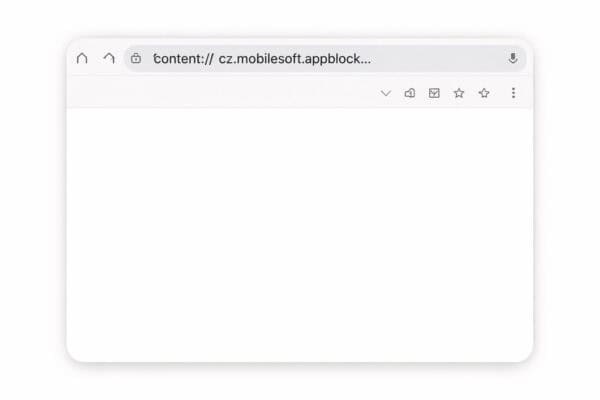
Before diving into the full meaning of content://cz.mobilesoft.appblock.fileprovider/cache/blank.html, we need to grasp what a Content URI is.
On Android, a Content URI (Uniform Resource Identifier) is a standardized way that apps share and access data securely without exposing the actual file paths on the device’s storage. Instead of telling one app, “Here’s a file at /storage/emulated/0/…”, Android uses content URIs to act as gatekeepers — mediating access while keeping the inner storage structure hidden.
Let’s break it down:
| Part | Meaning |
| content:// | Indicates this is a content URI — part of Android’s secure provider system |
| cz.mobilesoft.appblock.fileprovider | The authority (identifier) that tells Android which app is responsible — in this case, AppBlock |
| /cache/blank.html | The internal path inside that app’s cache pointing to a file named blank.html |
This format allows different apps to request access to files in another app’s space without knowing or touching the real file path on disk.
What the Pieces Really Mean
Now that you have the high-level idea, let’s decode the individual components of our specific URI:
content://
Content provides a clue as to why we called it a Content URI. A Content URI is how an application identifies the data it wants to manipulate via a Content Provider. Android provides a system where content providers have data and applications read and write this data by accessing it through URIs. The URI acts as a guardian of the file and is needed for the file system to allow applications to access the file.
cz.mobilesoft.appblock.fileprovider
This line tells Android which Content Provider we are requesting data from. That Content Provider is a pretty long name and at the end of it is what Android calls the “authority”, which is the name under which AppBlock registered itself as a Content Provider. “fileprovider” is the type of Content Provider and its name makes me think of files which is a theme we’ll explore in the next line.
/cache/blank.html
Okay so if we look at the part I highlighted – it is pointing to a file that our app has cached. In this case it is a blank.html file which is a very small HTML file. A cache is a temporary storage location on an application’s hard drive where an application stores files in order to provide a speed increase for operations such as calculations or network interactions. The application does not need to log through the same calculations or network interactions again as they are stored in the cache.
Why This URI Appears on Your Device
So, why might you encounter something like content://cz.mobilesoft.appblock.fileprovider/cache/blank.html?
Here are the most common scenarios:
When AppBlock Blocks a Website
If you use the AppBlock app to restrict distracting websites or apps, it uses this URI to show a “blank” page instead of the blocked content. Instead of an error message or a crash, you see a clean placeholder.
In Browser History
Because the browser may attempt to load the blocked URL and get the blank page instead, you may see the content URI recorded in history. It doesn’t mean a page really “visited” your device — it’s just what shows up during redirection.
In Debug Logs
Developers or advanced users who examine device logs might see this URI during app interactions or debugging sessions. It’s simply the system referring to cached content using a secure reference.
What AppBlock Is and How It Uses This URI
If the name cz.mobilesoft.appblock doesn’t mean much, here’s a quick primer.
AppBlock is a popular Android app developed by MobileSoft that helps users boost productivity by blocking distracting apps and websites. It does this by intercepting navigation requests and substituting them with safe, empty pages stored in cache — like the blank.html file referenced in the URI.
How AppBlock Uses This Mechanism
- Intercept Attempt
When you try to open a blocked site, AppBlock kicks in. - Redirect to Local File
Instead of letting the browser go online, it redirects to the local file blank.html using the secure content URI. - Load Placeholder
The browser displays a blank page — no distracting content, no error screens. - Log or History Entry
Since the browser technically loaded something, the URI may show up in logs or browser history.
This design keeps things smooth for users. It avoids ugly error messages, crashes, or confusing behaviour. Instead, everything works like a well-oiled machine — quiet, secure, and predictable.
Is This URI Safe or Malicious?
One of the biggest concerns when people spot such strings is: Is this dangerous?
The short, reassuring answer is No — it’s completely safe. Here’s why:
It’s Android Standard Mechanism
Content URIs are built into the Android system to protect users and apps alike. They’re part of how apps share data without exposing real file paths or creating vulnerabilities.
It Doesn’t Give Access to Full Storage
Apps can only access files explicitly allowed by other apps and only with permission. The FileProvider mechanism ensures no app can roam freely into another’s internal files.
It’s Linked to a Known App
This specific URI points to AppBlock, a legitimate focus and productivity tool. It’s not the name of a virus or malware.
No Risk of Data Theft
Because this URI only refers to a local, small HTML file inside the app’s cache, there’s no sensitive information exposed. The cache file itself has no private data.
How Android FileProvider Makes This Possible
The magic behind the scenes comes from Android’s FileProvider class — a powerful tool for secure file access. It allows apps to expose files via content URIs without compromising security.
Here’s how it works:
- The app defines a FileProvider in its manifest with a unique authority.
- It maps internal directories (like cache) to URI paths.
- When another app requests access, Android checks permissions and decides whether to grant it — only for that specific resource.
This means other apps can open the blank.html file via the secure URI, but nothing else in the AppBlock’s storage. The system manages permission automatically and temporarily.
When You Might Want to Remove or Change It
While the URI itself is harmless, some users prefer not to see it in their browser history. Here are ways to reduce or stop it:
Disable Website Blocking in AppBlock
If you turn off or adjust the website blocking settings in AppBlock, the blank redirects may disappear.
Clear AppBlock Cache
Clearing the cache manually removes the temporary blank.html file — but it will reappear when needed.
Uninstall AppBlock
If you remove the app entirely, you won’t see this or related URIs anymore — because they won’t be generated.
Wrapping It Up: What You Should Remember
Let’s recap the key takeaways:
content://cz.mobilesoft.appblock.fileprovider/cache/blank.html is:
- A Content URI — not a normal file path
- Used for safely referring to a cached HTML file in AppBlock
- A sign that the AppBlock app is doing its job of blocking distracting content
- Not malware or a security risk
It appears:
- In logs
- In browser history
- When the app redirects blocked content
Android’s FileProvider system:
- Keeps file access secure
- Prevents apps from accessing each other’s data without permission
- Makes modern app development safer and smoother
That long, confusing string doesn’t deserve to feel mysterious anymore!