 Gearfuse Technology, Science, Culture & More
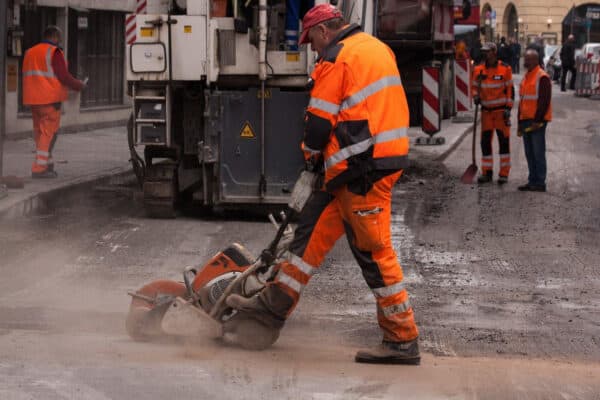
Water trucks control construction dust by spraying water on active areas to keep particles from lifting into the air. This improves visibility across the site and protects workers from breathing in dust. It also helps crews work safely and stay productive.
Construction sites generate dust from earthmoving, hauling, and material handling. If dust is not controlled, it can harm health, slow daily work, and cause complaints or fines. Clear dust control keeps operations steady and predictable.
Using water trucks at the right time and place keeps dust on the ground. A simple, planned approach reduces disruptions and supports compliance. Read the full article to learn how water trucks improve dust control on site.
How Water Trucks Keep Dust on the Ground
Water trucks control dust by wetting the surface so that loose soil and fine particles stick together. When water is applied correctly, it stops dust from rising into the air and spreading across the site. This simple action helps improve air quality and keeps work areas safer and clearer.
Operators adjust spray patterns, droplet size, and water flow based on site conditions. A light mist works well for wide, dry areas, while heavier sprays are better for gravel roads and high-traffic zones. Focusing water on active dust sources like haul roads, stockpiles, and demolition areas delivers the best results with less water waste.
Inside a Water Truck: What Keeps Dust Down
Water trucks use tanks and pumps to deliver water where it is needed. Small tanks work well on tight job sites, while larger tanks are better for long roads and big projects. The tank size and pump power decide how long the truck can work before refilling.
The spray system controls how water is spread on the ground. Spray bars are used for roads and open areas, while water cannons reach high or far spots like stockpiles. Different nozzles change droplet size, helping water reach the ground without too much loss to wind.
Modern water trucks also have easy-to-use controls and monitoring tools. Gauges and meters help operators apply the right amount of water. GPS and digital logs track where and when watering happens, which helps with planning and inspections.
Smarter Watering for Better Dust Control
Good dust control starts with planning before spraying. Checking the site helps identify busy roads, work areas, and exposed soil that create the most dust. A simple watering schedule based on work hours and traffic helps keep dust down without wasting water.
The weather also affects how well watering works. Heat and wind can cause water to dry or drift too quickly. Watering during cooler times of the day and adjusting spray settings helps water reach the ground and control dust better.
Safety, Sustainability, and Site Compliance
Worker safety is a top priority when using water trucks on construction sites. Operators should wear proper protective gear and follow clear traffic control plans to avoid accidents. Good communication through radios or flaggers helps prevent collisions with other vehicles and equipment.
It is crucial to manage water use effectively to protect the environment. Applying too much water can cause runoff, erosion, and muddy conditions that spread sediment. Using controlled spray settings and checking recycled water for contaminants helps protect soil, plants, and equipment.
Following local rules is essential for any dust control program. Many areas require a dust-control plan before work can begin. Keeping clear records of watering times, water volume, and coverage areas helps show compliance during inspections.
Making Water Control Simple and Reliable
Choose a provider with flexible fleet options and fast response times. Different truck sizes and spray systems help match tight city sites or large highway work, keeping dust under control. For dependable water truck rental, confirm refill logistics and how quickly support arrives during peak activity.
Operator skill makes a real difference on-site. Trained crews know how to set nozzles, adjust pressure, and change tactics as conditions shift. Ask for training proof, maintenance records, safety logs, and clear usage reports that guide an efficient schedule.
Compare total cost, not just hourly rates. Refill fees, minimum charges, and smart water use affect value, while fewer stoppages and complaints save money over time. Providers using flow controls, timers, and reclaimed water with filtration often cut waste, improve compliance, and lower overall project costs.
Practical Use Cases
Haul roads and access routes create constant dust as trucks and graders pass through. Regular watering keeps visibility clear and limits dust in the air during busy hours. Spray timing should match traffic volume and adjust after rain or dry weather.
Stockpiles and crushing areas are major dust sources on active sites. Wetting the tops and sides of piles helps control loose material, while stronger spray systems reach higher stacks. Pre-wetting materials before crushing cuts airborne dust during processing.
Demolition and earthworks release heavy dust in short bursts. Mobile water trucks stay close to active work zones to control dust at the source. Fast response lowers exposure for workers and protects nearby areas from drift.
Maintaining System Performance and Compliance
Consistent maintenance is essential to ensure reliable water distribution. Pumps, filters, and nozzles should be cleaned and inspected on a defined schedule to prevent failures and uneven spray coverage. Regular testing and timely replacement of worn components support stable and predictable operation.
Thorough documentation strengthens compliance and accountability. Service logs should clearly record inspection dates, water volumes applied, routes serviced, and assigned operators. Well-maintained records demonstrate due diligence and simplify audits and regulatory reporting.
Keep Dust Down and Projects Moving
Water trucks offer a simple, cost-effective way to control dust on construction sites. They reduce airborne particles, protect workers, and help projects meet local rules when used with proper planning and trained operators. Smart watering also protects nearby areas, limits runoff, and reduces rework so crews stay productive.
Now is the right time to improve your dust control plan. Review site conditions, set a clear watering schedule, and work with an experienced fleet to keep projects moving and communities protected. Read our blog for practical tips, real examples, and easy checklists that help make every job cleaner, safer, and more efficient.