 Gearfuse Technology, Science, Culture & More
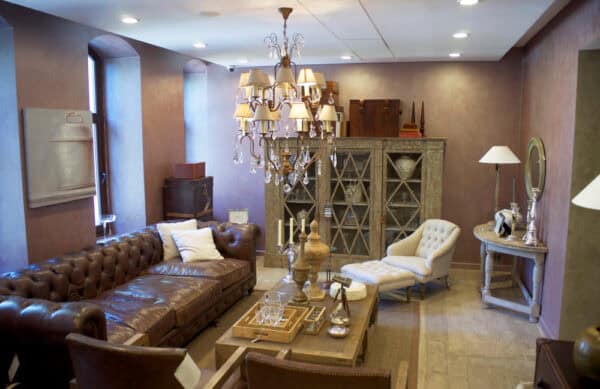
Accent lighting has become one of the most powerful tools in modern interior design, and for good reason. It has the ability to shape a room’s personality, draw attention to the details that matter most, and give depth to areas that once felt flat. When you use accent lighting intentionally, you’re not just brightening a space; you’re framing your home’s architectural features in a way that feels thoughtful and visually rich. Whether it’s a curved staircase, an exposed brick wall, beautiful millwork, or dramatic ceilings, the right lighting can transform the ordinary into something remarkable. For many homeowners, even functional fixtures like chandelier ceiling fans can play a dual role, offering comfort and style while contributing to the layered lighting that makes a room feel complete.
Accent lighting works because it creates contrast. It’s the difference between a room that feels washed out and a room that feels dimensional. When everything is lit evenly, nothing stands out. But when certain areas are highlighted with purpose, the eye is naturally guided toward the most interesting parts of your home. This simple principle can turn even small architectural details into statement moments. A recessed alcove suddenly becomes a display feature. Crown molding begins to cast soft shadows that give the room a sense of refinement. A textured wall becomes more pronounced, almost like a piece of art. The magic lies in placing the light where it enhances the form and texture of the architecture rather than competes with it.
One of the most effective ways to use accent lighting is to highlight vertical architectural elements. Tall walls, archways, and columns feel more dramatic when upward or downward lighting draws the gaze along their height. This helps elongate the room visually and adds structure to the design. Even in smaller homes, lifting the eye upward with accent lighting can give a space a more open feel. This technique also works beautifully in rooms with vaulted or tray ceilings, where subtle lighting can emphasize the layers and craftsmanship that might otherwise go unnoticed. In these spaces, chandelier ceiling fans can offer a unique hybrid solution by providing a central decorative focal point while also contributing ambient glow that complements other accent lights.
Another way to elevate your home’s architecture is by layering light sources. Accent lighting is most effective when it works in harmony with ambient and task lighting. Instead of relying solely on overhead lights, think about how additional light sources can shape the space. Picture a living room with a built-in fireplace, a cozy reading corner, and a set of floating shelves. Accent lighting under the shelves can create a warm halo around your décor. A floor lamp in the corner can draw attention to a textured wall or architectural niche. The soft flicker of the fireplace adds another layer of visual interest. When all of these elements come together, the room feels dynamic and thoughtfully composed.
Architectural features like staircases, alcoves, and built-in cabinetry also benefit immensely from accent lighting. Staircases, for instance, often serve as a major visual anchor in a home, yet they are frequently underlit. Adding LED strip lighting under each tread or installing small wall-mounted fixtures along the staircase can create a beautifully illuminated path that adds both safety and sophistication. Alcoves, on the other hand, become natural display areas when lit properly. A soft wash of light can make an alcove feel intentional rather than overlooked. Built-in cabinets, especially those with glass doors or open shelving, are perfect candidates for interior lighting that showcases treasures and adds glow to the room.
When choosing your lighting type, consider how you want each architectural feature to feel. Wall sconces can add elegance to hallways and highlight paneling or wainscoting. Track lighting can draw attention to artwork or textured walls. Recessed directional lights can frame fireplaces or highlight stonework. Even simple LED strips installed under counters or along the edge of a ceiling can create a surprisingly polished look. The key is to think not just about brightness but about direction, tone, and effect. Warm lighting creates an inviting atmosphere and brings out the richness of materials like wood and brick, while cooler lighting can enhance clean lines and modern finishes.
One often overlooked opportunity is accent lighting in outdoor architectural spaces. The exterior of your home has its own set of features that can be celebrated. Lighting along pathways, uplighting on trees, and subtle illumination on exterior walls can give your home a welcoming presence after sunset. Architectural uplighting can make columns, porches, and stone facades stand out, giving the home depth and curb appeal. Not only does this create a beautiful nighttime aesthetic, but it also contributes to safety and visibility.
Inside the home, the interplay of decorative fixtures with accent lighting becomes another chance to express personal style. This is where chandelier ceiling fans can become especially impactful. These fixtures blend elegance with functionality, offering air circulation while still acting as a centerpiece that complements your lighting plan. When paired with well-positioned accent lighting, they contribute to a layered environment that feels curated rather than cluttered. Their glow can reflect off nearby architectural elements, adding depth to the room and drawing attention to the craftsmanship of the home.
At its core, accent lighting is about intention. It’s about deciding which parts of your home deserve to shine. When you highlight architectural details thoughtfully, you’re able to shape the atmosphere of a space in ways that feel subtle yet transformative. Rooms become more interesting, textures become more pronounced, and your home’s design begins to tell a coherent story. By blending ambient, task, and accent lighting—along with decorative elements like chandelier ceiling fans—you create a home that feels warm, layered, and visually engaging.
Accent lighting is more than an accessory; it’s an essential design technique that can elevate the look and feel of your home. When used well, it enhances your architecture, complements your décor, and adds the kind of depth that makes a home truly memorable.