 Gearfuse Technology, Science, Culture & More
Water damage can occur in the blink of an eye, turning your home into a chaotic and stressful environment. Whether it’s caused by a burst pipe, flooding, or appliance malfunction, the longer water sits unchecked, the more damage it causes. Acting fast is crucial to minimize harm, reduce costs, and restore your home efficiently. Here’s a step-by-step guide with essential emergency water damage restoration tips for homeowners.
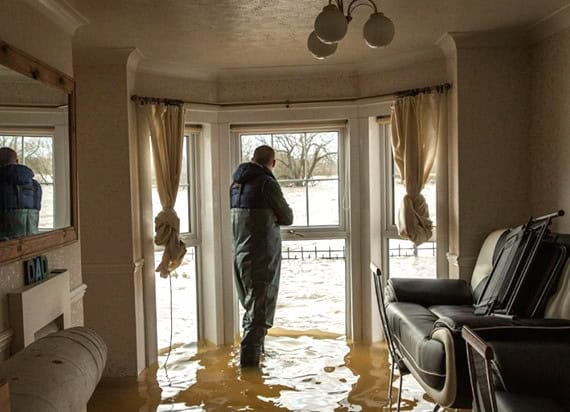
1. Ensure Safety First
Before diving into restoration efforts, prioritize your safety:
- Turn Off Electricity: Water and electricity are a dangerous combination. If water has reached electrical outlets, appliances, or wiring, shut off the power supply in affected areas.
- Avoid Contaminated Water: If the water source is sewage or floodwater, it’s considered hazardous. Wear protective gear like gloves, boots, and masks, and avoid direct contact.
- Check Structural Integrity: If ceilings are sagging or the floor feels weak, vacate the area immediately as it may collapse.
2. Stop the Source of Water
Identify and control the source of the water to prevent further flooding:
- For Burst Pipes: Shut off the main water supply valve.
- For Appliances: Turn off the water supply to the faulty appliance, such as a washing machine or dishwasher.
- For Roof Leaks: Use a tarp or bucket to contain incoming water until repairs are possible. Acting quickly to stop the water flow will limit damage and make the restoration process easier.
3. Remove Standing Water
Once the source of water is controlled, eliminate standing water as fast as possible:
- Use a Wet/Dry Vacuum: These are highly effective for sucking up water from floors.
- Mop and Bucket: For smaller areas, traditional methods like mops and buckets work well.
- Pumps: Submersible pumps are ideal for handling large volumes of water, particularly in basements.
Swift water removal prevents moisture from seeping into walls, floors, and furniture, which can lead to mold growth and structural damage.
4. Dry Out the Area
Drying is just as important as removing standing water. Damp surfaces can foster mold growth within 24–48 hours. Here’s how to speed up the drying process:
- Open Windows: Promote cross-ventilation by opening windows and doors to increase airflow.
- Use Fans and Dehumidifiers: Position fans and dehumidifiers to target damp areas, drawing moisture out of the air and materials.
- Remove Wet Items: Take waterlogged rugs, furniture, and belongings outside to air dry.
If drying efforts seem insufficient, consider hiring professionals like water intrusion specialist near me with industrial-grade drying equipment for a thorough job.
5. Prevent Mold Growth
Mold is one of the most harmful aftereffects of water damage. To prevent mold:
- Clean with Antimicrobial Products: Apply antimicrobial sprays to surfaces, especially in areas prone to mold, such as bathrooms and basements.
- Inspect Hidden Spaces: Check under carpets, behind baseboards, and inside cabinets for lingering moisture.
- Act Quickly: Mold can develop rapidly, so complete the drying process within 24–48 hours.
If mold is already visible, contact a mold remediation specialist to handle the issue safely and effectively.
6. Salvage What You Can
Evaluate damaged items and separate salvageable belongings from those that are beyond repair:
- Furniture: Wooden furniture may be restorable if dried and cleaned quickly, while upholstered items may need replacement if heavily soaked.
- Electronics: Avoid turning on wet electronics; let professionals handle their restoration.
- Documents and Photos: Dry paper items with fans and silica gel to prevent warping or mold growth.
Document all damaged items with photos for insurance purposes before disposing of anything.
7. Repair and Restore
Once the area is dry and clean, assess the need for repairs:
- Walls and Ceilings: Replace soaked drywall and insulation to maintain structural integrity.
- Flooring: Hardwood may need sanding and refinishing, while carpets may require replacement.
- Paint and Finishing: Address cosmetic issues like peeling paint or warped baseboards.
8. Contact Your Insurance Provider
File a claim with your homeowner’s insurance to cover the costs of restoration and repairs.
- Provide Documentation: Submit photos, videos, and a detailed list of damaged items.
- Understand Your Policy: Confirm what types of water damage are covered under your policy.
9. Seek Professional Help
For extensive damage, calling a licensed water damage restoration company is the best course of action. Professionals have the expertise and tools to ensure a safe and complete restoration, saving you time and effort.
Final Thoughts
Water damage restoration requires swift, deliberate action. By following these emergency tips, you can minimize damage, protect your home, and streamline the recovery process. Preparedness is key—knowing how to respond effectively can make all the difference when water emergencies strike.