 Gearfuse Technology, Science, Culture & More
Everybody wants to work with the best. Choosing a game art partner depends on many factors: quality, experience, budget, and workflow. Each client will weigh these differently based on their goals. Below are three leading studios that serve as good examples of what a strong game art company can look like.
Virtuos
The studio has more than 20 years of history. Founded in Shanghai in 2004, Virtuos has grown and spread around the world. It is now headquartered in Singapore with 25 studios worldwide across Asia, Europe, and North America.
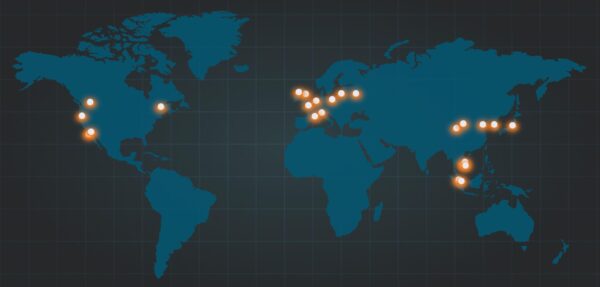
Map of Virtuos offices
The studio is a real giant with around 4,000 employees. With the reputation earned through decades of work, they provide AAA game art services to the top gaming companies. Their most famous titles include Oblivion Remastered, Cyberpunk 2077, Hogwarts Legacy, and many others.
For those who want the reliability and resources of an AAA game art studio, Virtuos is a great choice.
Kevuru Games
Kevuru Games was founded in 2011 and is based in Kyiv, Ukraine. This game art studio has about 350 people working across art, animation, and development.
They have worked on top titles like Fortnite and Star Wars: Tales from the Galaxy’s Edge, listing industry giants like Epic Games, EA, and Lucasfilm among their clients.
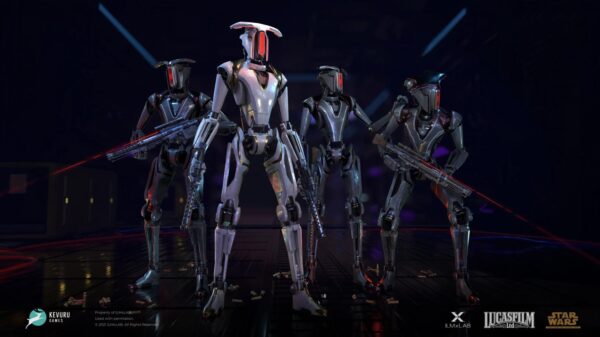
Image source: Kevuru Games portfolio
Kevuru combines the scale to handle large AAA projects with the flexibility to take on indie games. Their team covers everything from 2D and 3D art to animation, VFX, porting, and full-cycle gaming development.
For clients, Kevuru is a good middle ground: big enough to take on complex projects, but still small and focused enough to stay personal and creative.
Pixune studios
Based in Warsaw, Poland, Pixune Studios is a boutique company that has less than 50 professionals yet is a full-service art studio with deep expertise in 2D/3D animation and game art production. Their services span concept art, character and environment design, game trailers, cinematic animations, and UI/UX.
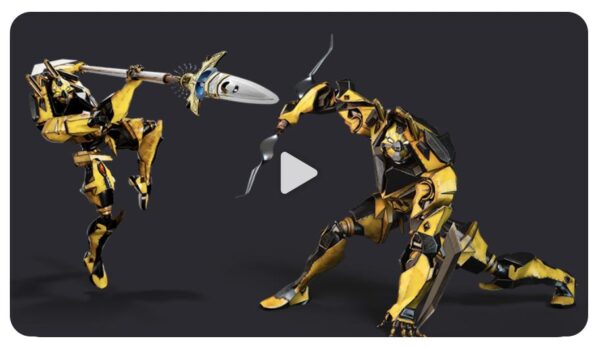
Image source: Pixune portfolio
Pixune is known for blending stylized aesthetics with technical precision. They typically work with indie, narrative, and mobile genres. Within 7 years of activity, they’ve earned eight international awards from animation and film festivals like Anima Mundi and Skyline International.
Pixune is good for projects where stylish, narrative-driven visuals are the key element and unique artistic vision is of the highest importance.
How to Check Reviews Before Choosing a Game Art Partner
Everybody has great reviews on their website, but they won’t tell the whole story. When choosing a studio for game art development, check what their past clients say on external platforms. Here’s where to look and what to watch out for:
- Clutch and GoodFirms – These platforms specialize in verified B2B reviews. Look for details on communication, reliability, and delivery, not just star ratings.
- LinkedIn – Company pages often include recommendations and testimonials from real professionals who worked with the studio.
- ArtStation & Behance – While mostly for portfolios, you can sometimes see comments, community feedback, or signs of how active and respected the studio’s artists are.
- Reddit & Industry Forums – Communities like r/gamedev sometimes share unfiltered experiences with outsourcing partners.
When reading reviews, don’t just scan for praise. Look at how the studio responds to challenges mentioned in reviews. A company that handles problems well is usually more reliable than one with only generic, glowing feedback.
How to choose the best game art studio for your needs?
Picking the right game art company isn’t about going for the biggest name or the cheapest quote. It’s about finding a team that fits your project. Here are the key points to guide your choice:
- Match the scale of your project
AAA games with massive art pipelines often need global giants like Virtuos. Indie or mid-size projects may benefit more from agile studios like Pixune or Kevuru. - Check the portfolio, not just the promises
Look for projects similar to yours — in style, scale, and genre. A strong track record in the type of art you need (characters, environments, stylized, realistic) is more valuable than a long generic list. - Consider communication and flexibility
Some studios run like corporations, others like close-knit creative teams. Decide whether you need constant collaboration or a more hands-off partner. - Balance the budget with quality
Cheaper isn’t always better. The best studio is the one that can deliver consistent quality within your budget and timeline.
In short: choose a partner that not only makes great art but also understands your goals, your deadlines, and your players. The right studio is more than a vendor — it’s a collaborator who helps your game stand out and keeps the process smooth.