 Gearfuse Technology, Science, Culture & More
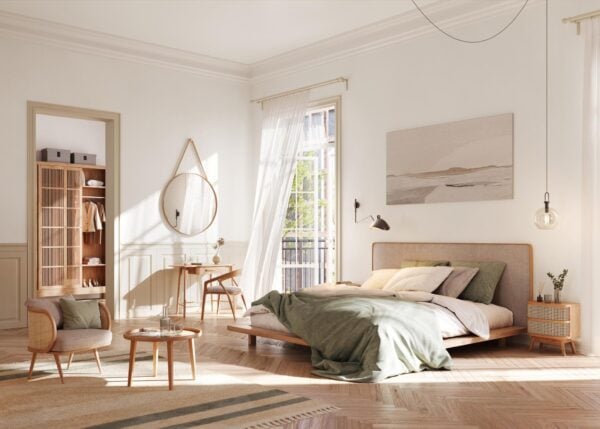
Interior design styles play a crucial role in shaping the functionality and aesthetics of living spaces. From the clean lines of modern interior design to the cozy warmth of rustic decor, each style offers unique characteristics. Scandinavian simplicity emphasizes minimalism, while industrial interiors focus on raw textures. By blending elements like natural materials and personalized touches, you can create a space that reflects your personality and meets practical needs.
The way we design our living spaces can significantly influence both comfort and mood. Whether you’re drawn to the sleek elegance of modern interiors or the earthy charm of rustic decor, each interior design style tells a story. These styles are more than just aesthetic choices – they reflect personal preferences while addressing practical needs like space optimization and functionality.
For those seeking inspiration, interior design from Sosna can provide options to choose from. From Scandinavian minimalism to industrial chic, there’s no shortage of options to explore. By recognizing the unique characteristics of each style, you can make informed decisions about how to transform your home into a space that feels both inviting and purposeful.
Exploring the Evolution of Modern Interior Design Styles
Interior design has undergone significant transformations over the decades, reflecting shifts in cultural preferences, technological advancements, and lifestyle changes. At its core, modern interior design emphasizes simplicity, functionality, and a harmonious blend of form and purpose. This style is characterized by clean lines, open spaces, and a focus on minimalism, making it ideal for urban living where space optimization is key.
To better understand what defines modern interior design, consider these foundational elements:
- Neutral Color Palettes: Soft tones like whites, grays, and beiges create a calming atmosphere while allowing flexibility for accent pieces.
- Functional Furniture: Pieces are often multi-purpose, designed to maximize utility without compromising aesthetics.
- Innovative Materials: Glass, steel, and polished wood are commonly used to achieve a sleek, contemporary look.
The appeal of modern interior design lies in its adaptability. Whether you live in a compact apartment or a spacious home, this style can be tailored to suit your needs. For instance, incorporating large windows not only enhances natural light but also creates a seamless connection between indoor and outdoor environments – a hallmark of modern design principles.
As we delve deeper into other styles, it’s worth noting how modern design often serves as a foundation for blending with other aesthetics, such as Scandinavian or industrial themes. This versatility makes it a popular choice for those seeking timeless yet functional interiors.
Why Scandinavian Design Remains a Favourite in Canadian Homes
Scandinavian design has long been celebrated for its ability to blend simplicity, functionality, and warmth – qualities that resonate deeply with Canadian homeowners. Rooted in the Nordic regions, this style emphasizes creating spaces that feel inviting while maintaining a minimalist aesthetic. Its enduring popularity lies in its adaptability to various home sizes and its focus on natural elements, which align well with Canada’s appreciation for the outdoors.
One of the defining features of Scandinavian aesthetics is its use of light. Given Canada’s long winters and shorter daylight hours, this design style prioritizes brightness through strategic choices:
- Light Colour Schemes: Walls, furniture, and textiles often feature whites, creams, and soft pastels to reflect natural light and create an airy atmosphere.
- Natural Materials: Wood, wool, and leather are staples, adding texture and warmth to counterbalance the cooler tones.
- Functional Simplicity: Every item serves a purpose, reducing clutter and promoting a sense of calm – a welcome contrast to busy lifestyles.
Beyond its visual appeal, Scandinavian design also champions sustainability. The emphasis on durable, high-quality materials and timeless designs reduces the need for frequent replacements, making it both eco-friendly and cost-effective. For instance, a well-crafted wooden dining table or a cozy wool throw can last for decades while maintaining its charm.
This design style’s ability to foster a cozy yet stylish environment explains why it continues to captivate Canadian homeowners. By blending practicality with beauty, Scandinavian interiors offer a perfect balance for modern living.
How Rustic Decor Adds Warmth to Contemporary Spaces
Rustic decor has a unique way of infusing spaces with character and charm, even within modern urban settings. This style draws inspiration from the simplicity of rural life, emphasizing natural textures, earthy tones, and handmade elements. While it may seem at odds with sleek, contemporary designs, rustic decor can complement modern interiors by introducing warmth and personality – qualities that are often missing in minimalist spaces.
The allure of rustic decor lies in its ability to evoke nostalgia while remaining functional. Here’s how this style can transform a home:
- Natural Elements: Incorporating materials like reclaimed wood, stone, or wrought iron creates a tactile connection to nature, grounding the space in authenticity.
- Warm Color Palettes: Deep browns, burnt oranges, and muted greens add richness, contrasting beautifully with the neutral tones of modern design.
- Handcrafted Details: Artisanal pieces, such as pottery or woven textiles, bring an element of craftsmanship that mass-produced items simply can’t replicate.
What makes rustic decor particularly appealing is its versatility. For example, a weathered wooden beam can serve as a striking focal point in an otherwise sleek kitchen, while vintage furniture can soften the sharp lines of a contemporary living room. By blending these elements thoughtfully, homeowners can create spaces that feel both lived-in and luxurious.
This style also encourages creativity, allowing individuals to personalize their homes with unique finds. Whether it’s a repurposed barn door or a collection of antique mason jars, rustic decor invites storytelling through design – a refreshing departure from overly polished aesthetics.
The Enduring Appeal of Industrial Interiors in Urban Settings
Industrial interiors have carved out a niche in the world of design, particularly in urban environments where raw, unpolished aesthetics resonate with modern sensibilities. This style celebrates the beauty of unfinished spaces, embracing exposed brick walls, metal fixtures, and open ceilings. Its rise in popularity can be attributed to its ability to blend ruggedness with sophistication, offering a unique contrast to more traditional decor approaches.
What sets industrial design apart is its focus on authenticity. Unlike styles that aim for perfection, industrial interiors highlight imperfections as part of their charm:
- Exposed Structures: Beams, ductwork, and pipes are left visible, creating a sense of honesty about the building’s architecture.
- Neutral and Monochromatic Tones: Shades of gray, black, and brown dominate, providing a neutral backdrop that allows key design elements to stand out.
- Mixed Materials: Combining metal, wood, and concrete adds layers of texture, making the space feel dynamic yet cohesive.
This style also aligns well with urban living, where space is often limited. Open layouts – a hallmark of industrial design – help maximize functionality while maintaining an airy atmosphere. For instance, a loft apartment might feature a multipurpose living area with minimal partitions, allowing natural light to flow freely throughout the space.
Another reason for its lasting appeal is its adaptability. Industrial interiors can be softened with plush rugs, cozy textiles, or greenery, striking a balance between edgy and inviting. This flexibility makes it a go-to choice for those seeking a contemporary yet distinctive look.
Final Thoughts on Choosing the Right Interior Design Style for Your Home
Selecting the perfect interior design style is about more than just aesthetics – it’s about creating a space that reflects your personality and meets your practical needs. From the timeless simplicity of Scandinavian design to the bold character of industrial interiors, each style offers unique benefits. Blending these styles thoughtfully can result in a home that feels both cohesive and distinctive.
Ultimately, the right choice depends on your lifestyle, preferences, and the atmosphere you wish to cultivate. By understanding the foundations of various interior design styles, you can make informed decisions that transform your living spaces into functional yet inspiring environments. Whether you lean toward modern minimalism or rustic warmth, the possibilities are endless when it comes to crafting a home that truly feels like yours.