 Gearfuse Technology, Science, Culture & More
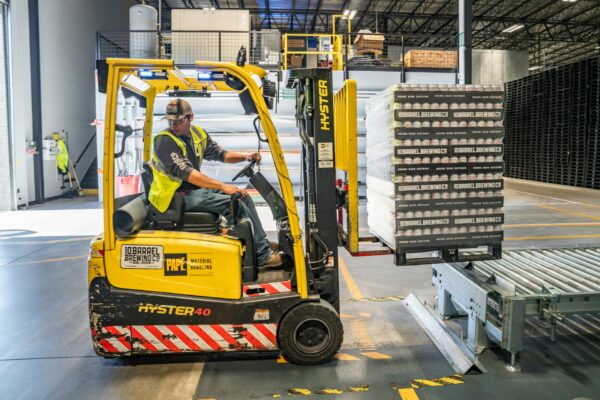
In recent decades, the manufacturing landscape has seen remarkable change driven by digitization, automation, and sustainability efforts. Behind many of these changes is a complex and vital part of modern manufacturing known as the process industry. This sector includes operations where raw materials are transformed into products through chemical, biological, or physical processes—think food and beverages, chemicals, pharmaceuticals, oil and gas, and more. Understanding how this sector operates helps us better appreciate how everyday products reach us and what’s required to produce them efficiently and safely.
Understanding the Operational Framework
Unlike discrete manufacturing, which involves assembling individual parts into final products, operations within this field typically rely on continuous or batch production methods. The aim is to maintain consistent quality while managing large volumes of materials that may not be easily separated or counted individually, like liquids, gases, or powders.
Due to the high complexity and cost of equipment, as well as the need to meet strict regulations and safety standards, companies in this space often operate 24/7 and require tightly controlled environments. Small errors can lead to costly downtime, product loss, or safety incidents. That’s why precision, reliability, and real-time monitoring are central to success in these operations.
Digital Transformation and Efficiency
Digital tools and platforms are transforming how these businesses manage operations. From advanced sensors and machine learning to real-time data analytics and cloud computing, technology is helping organizations make more informed decisions faster.
One major area of improvement is asset lifecycle management. Equipment and infrastructure within the industry often require significant investment and long-term use. Digital solutions allow companies to track performance, schedule predictive maintenance, and prevent failures before they happen.
In the same breath, software systems that support product lifecycle management (PLM) are also becoming increasingly important. Platforms like this one enable companies to streamline information sharing, design processes, and regulatory compliance, all critical components of efficient management in the process industry.
Sustainability and Regulatory Compliance
Environmental impact is a growing concern, especially in industries that use vast amounts of energy or generate emissions. To address this, more companies are investing in greener processes and cleaner energy sources. Waste minimization, recycling, and resource recovery are becoming standard practice rather than exceptions.
But sustainability is only part of the picture—compliance with regulations is equally important. From environmental standards to health and safety laws, manufacturers must adhere to a range of rules. Advanced data tracking and automation can ease the burden of reporting, flag potential issues early, and ensure adherence across all production lines.
Workforce and Skills
The process industry also relies on a highly skilled workforce that blends engineering knowledge with IT expertise. As automation increases and systems become more interconnected, there’s a growing demand for professionals who understand both operational processes and digital systems.
Training and development are therefore essential. Many companies are investing in upskilling their employees to meet modern demands, ensuring that workers not only understand the physical processes but can also interact effectively with new technologies.
The Future Outlook
Looking ahead, the sector is expected to evolve even further. Integration of artificial intelligence, digital twins, and blockchain technologies promises better transparency, predictive control, and supply chain optimization. This evolution isn’t just about speed and efficiency; it’s also about resilience. As global disruptions like pandemics or geopolitical shifts impact production, industries that can adapt quickly will have a competitive edge.
While some aspects of the process industry have been around for centuries, the tools and strategies it uses are changing fast. Companies that invest in innovation, sustainability, and people are more likely to thrive in a complex, fast-moving global economy.
In summary, the process industry continues to shape how we produce and consume goods on a large scale. Through advanced systems, smart data use, and a focus on safety and sustainability, it remains a cornerstone of industrial progress in the modern era.