 Gearfuse Technology, Science, Culture & More
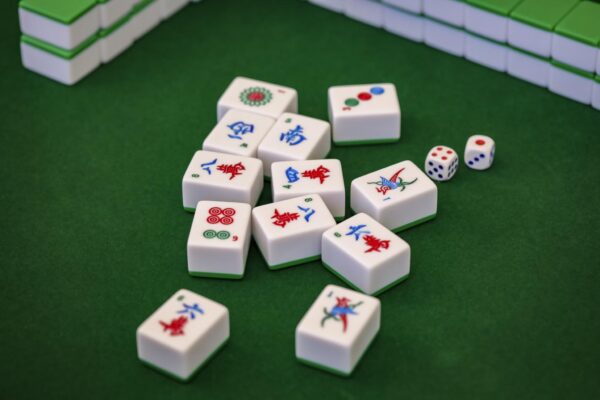
In one corner, the classic with hundreds of years of history, Mahjong. Built on tiles, memory, and quiet strategy, with roots going back more than a century. In the other corner, the digital puzzle from the office desktop, Minesweeper. No sounds, no instructions, just logic and one wrong click away from losing it all.
Both defined how Boomers played, whether at home or behind a monitor. Now they face off for bragging rights. Which one still holds up? Let’s break it down.
Round One: Origins and Longevity
Mahjong boasts centuries of tradition. Originating in China during the Qing Dynasty, it has long been a fixture at social gatherings and local tournaments. In its classic multiplayer form, it’s a game of deep strategy and observation. In its Western solitaire adaptation, it becomes a solitary puzzle—ideal for quiet focus. Today, Mahjong remains a timeless favorite, now thriving in the digital realm. Modern platforms offer round-the-clock access to real-money tables, easy onboarding, and even cryptocurrency support for fast, seamless payouts—demonstrating how a centuries-old game continues to evolve with the times, as seen on platforms like mahjong365.com.
Minesweeper, by contrast, rose to fame in the early personal computing era. Bundled quietly with Microsoft Windows, it wasn’t marketed—it simply existed, one click away. For many, it was their first brush with a digital puzzle: no rules to read, no pieces to set up, just logic, patience, and a few adrenaline-pumping clicks.
While Mahjong spans hundreds of years and Minesweeper only a few decades, both have proven their staying power. Each, in its own way, continues to capture the minds of players across generations.
Round Two: Mechanics and Mental Load
Mahjong in its solitaire form asks players to remove matching pairs of tiles from a stacked layout. Not all tiles are accessible, though, and every move can open or block future options. It’s built on pattern recognition, short-term planning, and a decent visual memory.
Minesweeper begins with a blank field. Clicking one square reveals either a number or a bomb. From there, it’s a process of elimination. The numbers indicate how many mines are in the surrounding tiles. With each move, the player narrows the possibilities. Sometimes logic is enough. Sometimes a guess is unavoidable.
Mahjong can stretch out over time, inviting slow, careful thinking. Minesweeper tends to be faster-paced, with a rhythm that becomes more focused the further into the game a player goes. One rewards foresight and matching. The other is about deduction under pressure.
Neither is casual once you engage properly. However, for players looking for a more reactive and dynamic experience, Minesweeper has the edge here.
Round Three: Design, Sound, and Interface
Mahjong is designed to look appealing. In physical sets, the tiles are detailed and textured. Even digital versions often preserve that aesthetic, crisp icons, light backgrounds, and minimal distractions. It is meant to be easy on the eyes, and most versions succeed in keeping it that way.
Minesweeper is stripped to the bone. It’s a grid of grey boxes, a smiling yellow face, and a few tiny numbers. Its entire design seems more functional than thoughtful. Yet that’s part of the charm. It’s so plain, it can be played in any environment, on any monitor, without pulling focus. The only sound is the click of the mouse. No music. No animations. Just direct input and clear feedback.
If this round were about presentation and ambiance, Mahjong wins easily. It has style, visual polish, and more immersive design. Minesweeper, while iconic, offers almost nothing in terms of aesthetic reward.
Round Four: Ease of Access
Minesweeper requires no prior knowledge. You open the game, click a square, and learn through trial and error. Within a few games, most players begin to understand how the numbers work. It’s not complex, but it doesn’t get dull quickly either.
Mahjong, especially traditional four-player Mahjong, comes with a higher barrier to entry. There are regional variants, scoring rules, and a tile system that can seem arbitrary to newcomers. The solitaire version is more accessible, but even that requires a basic understanding of tile matching and visual scanning.
In terms of approachability, Minesweeper wins this round. It’s easier to pick up and start playing without needing any guidance or background knowledge.
Round Five: Relevance and Modern Appeal
Mahjong still exists in multiple forms today, including online apps, casual mobile games, and traditional game nights. Its presence is consistent, even if not loud. It fits into the world of calm, structured puzzles and social tabletop gaming for Mahjong party nights.
Minesweeper has become something of a nostalgic icon. It has appeared in memes, speedrun communities, and minimalist game bundles. Even with no new versions released in years, it still draws attention from people looking to prove they can clear the hardest boards in record time.
Mahjong has staying power but isn’t often talked about in online circles. Minesweeper has found a second life through internet humor and old-school challenges. This round goes to Minesweeper, based on visibility and pop culture references.
Round Six: Boomer Connection
Here’s where things get specific. Mahjong is often associated with long afternoons, ceramic teacups, and multi-generational households. It’s a fixture in many Boomer homes, not just as a game, but as part of a lifestyle. It represents familiarity and routine.
Minesweeper, on the other hand, is tied more closely to early office culture. It was the go-to activity when dial-up was slow and work was quiet. Boomers who picked up computing late in life often encountered Minesweeper before anything else. They didn’t necessarily understand it at first, but many learned by doing, over lunch breaks and late evenings at the desk.
Both games are tied to Boomer identity in different ways. Mahjong speaks to tradition and family. Minesweeper speaks to the digital shift and solitary play. This round ends in a tie, for different but equally strong reasons.
Conclusion: Depends on your Taste
Trying to declare one of these games superior misses the point. Mahjong and Minesweeper serve different purposes. One draws from tradition and community, the other from simplicity and logic. Mahjong is intricate and layered, while Minesweeper is quick and direct. Each offers a different kind of mental challenge: focused scanning or fast deduction. Both hold up, not just as Boomer games, but as timeless classics. No knockout here, just two puzzle icons still going strong.