 Gearfuse Technology, Science, Culture & More
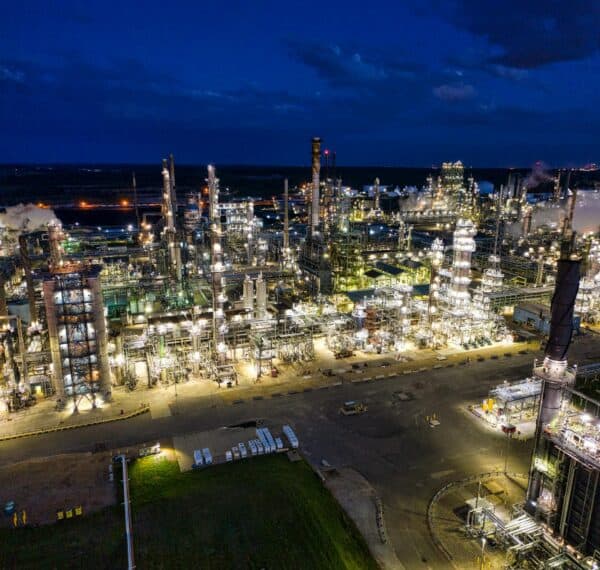
Pipelines are the backbone of the midstream oil and gas sector, silently transporting crude oil, natural gas, and refined products over long distances every day.
You don’t have to know the nitty-gritty about the movement of these products from the point of extraction to the point of consumption or processing. But it’s worth knowing a thing or two about how the integrity of these pipelines plays a crucial role in ensuring the safety, reliability, and cost stability of the supply chain. It will ultimately affect you as a customer in one way or another.
Midstream oil and gas firms invest heavily in pipeline integrity programs to prevent failures. It’s important to understand how midstream oil and gas firms protect pipeline integrity, as this helps customers gain greater confidence in the supply chains they rely on.
Here are five ways in which midstream oil and gas firms protect pipeline integrity.
1. Regular Inspection Using Advanced Technology
One way midstream oil and gas firms protect pipeline integrity is through routine inspections using advanced technology. Internal inspection tools, also known as smart pigs, are inserted into the pipeline to inspect the integrity of the pipeline.
These tools check for any possible corrosion, cracks, dents, or any other possible integrity problems that may occur in the pipeline, which are not visible on the surface of the pipeline.
The external inspection of the pipeline also includes aerial surveys, ground patrols, and remote sensing. This helps monitor the integrity of the environment around the pipeline.
2. Preventive Maintenance and Proactive Repairs
Data collected from the inspection process can only be meaningful if action is taken. Companies in the midstream sector of the oil and gas industry make decisions about pipeline maintenance based on the data collected from the inspection process. Instead of waiting until the pipeline breaks down, maintenance is performed during planned outages or when demand is lowest.
The maintenance process may include replacing the pipeline, reinforcing weak points, recoating to prevent corrosion, replacing valves and fittings, and other tasks.
3. Continuous Monitoring and Leak Detection Systems
Modern oil and gas pipelines are equipped with monitoring systems that measure the pressure, flow rate, and temperature of the product being pumped. Sophisticated software can, meanwhile, analyze the data collected from the monitoring systems to detect any abnormalities in the system.
This means the system can detect slight changes, which could be an indication of an imminent leak.
Customers will benefit since there are chances for the organization to minimize downtime. Unplanned downtime, compared to planned downtime, is a costly problem for businesses. Taking maintenance and repairs seriously is one way to lessen the odds of emergency shutdowns.
4. Strict Compliance With Regulatory Standards
Pipeline operations are subject to strict regulatory guidelines and rules. Midstream oil companies must comply with all applicable federal, state, and industry regulations. These regulations apply to all pipeline operations, including design and construction, operation, inspection, and maintenance.
Adhering to regulatory standards ensures pipeline customers that operations are conducted in accordance with safety standards. In addition, this ensures there is no risk of regulatory shutdowns, which could disrupt operations and, in turn, increase customer costs.
5. Ongoing Training and Integrity Management Programs
Technology and equipment are as good as the people using them. Midstream oil companies invest heavily in training their engineers and other personnel to recognize integrity issues and how to respond.
Comprehensive pipeline integrity management programs combine inspection, risk assessment, and employee training with a range of technologies.
This means that, as a customer, you can work with companies committed to long-term reliability rather than short-term savings.
Why Customers Should Care
Pipeline integrity is not just an engineering discipline. It has important implications for the real world. Pipelines that are well-maintained help minimize risks associated with disruptions, price swings, and environmental issues.
Integrity management practices are an important part of sustainability goals as well. By choosing to work with midstream companies that value pipeline integrity, you’re essentially supporting an industry that values safety and sustainability.
The midstream oil and gas industry plays an integral part in the safe and efficient transportation of energy supplies. By using state-of-the-art inspection tools, preventive maintenance, continuous monitoring, regulatory compliance, and integrity management, they work behind the scenes to protect pipeline integrity and customer interests.
Pipeline integrity may not always be front and center, but its effects are felt every day nonetheless.