 Gearfuse Technology, Science, Culture & More

I’ve always sort of wondered how mermaid anatomy works. I figured it would be similar to human biology, just because of the resemblance of our upper bodies, but it’s nice to finally know the specifics, such as the location of the mermaid’s weird-lookin’ vag.
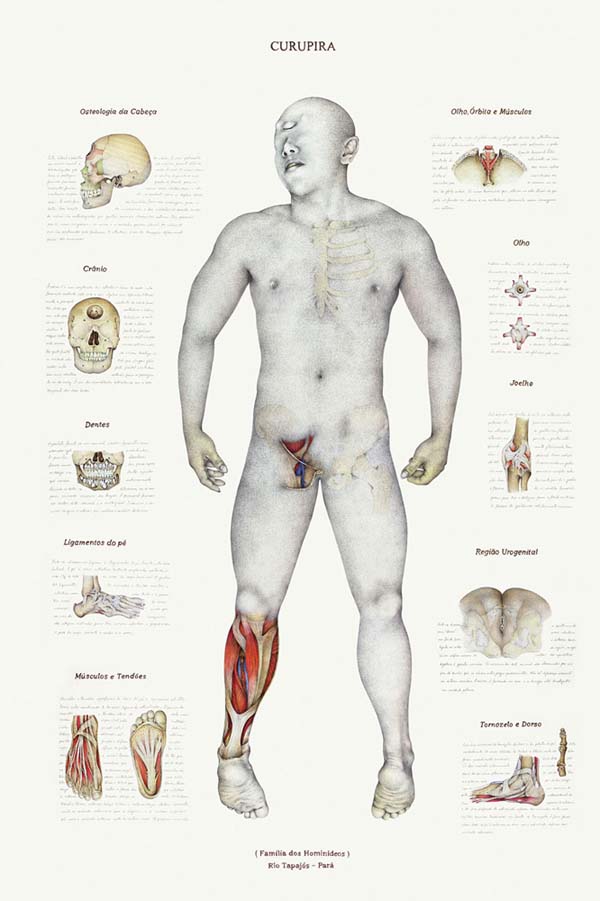
I’m confident that this chart was designed by some of the finest marine biologists alive today. I found the fetal diagram particularly interesting. Hit the jump for charts of other mythical creatures, including the cyclops Curupira.
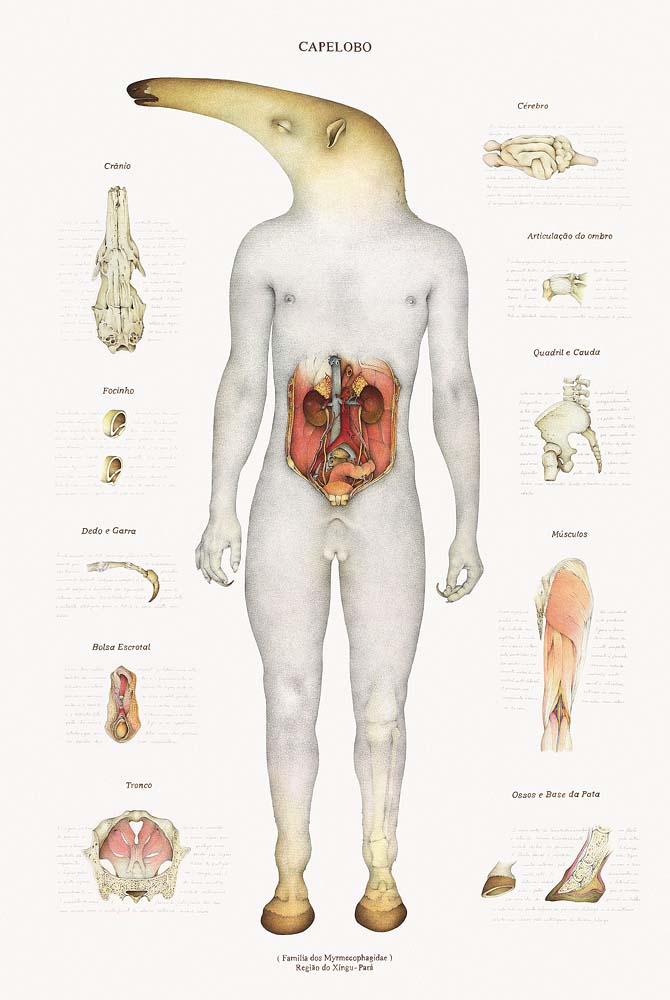

Link [via]



Actually, the creature “Curupira” (http://en.wikipedia.org/wiki/Curupira) is not a Cyclops, but something from brazillians folklore
Thanks, JohnP. Did not know that. Learn something new everyday.
that’s cool!
….Im so amaze…how can they post something like that? Is that true or just pigments of their imagination?
Amazing O.o
I just find it amazing but hard to belive
That is totally awsome dude!!!
yes amazing
Hmm, a mermaid doesn’t have gills? Unlikely!
@Rachael: The lungs would probably work as internal gills, processing water instead of air.
the mermaid would need a blow hole eheehe
Where did you find these? I remember seeing the mermaid one in a magazine a couple of years ago. Is the text in Spanish or Portugeese?
the text is in portuguese.
These creatures are typical of Brazilian folklore, particularly the northern region.
These illustrations were made by a Brazilian artist, do not remember the name now.
the mermaid is known as “Ondine” in Brazil. the “Curupira” is a creature that protects nature and are unrelated to the Cyclops.